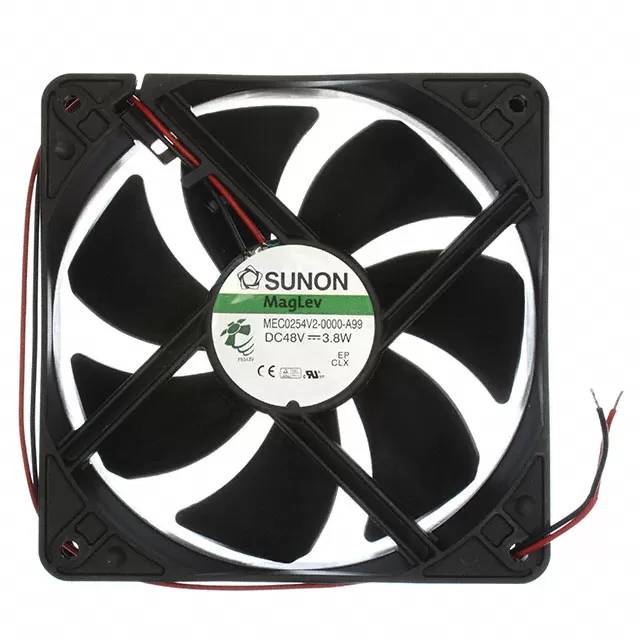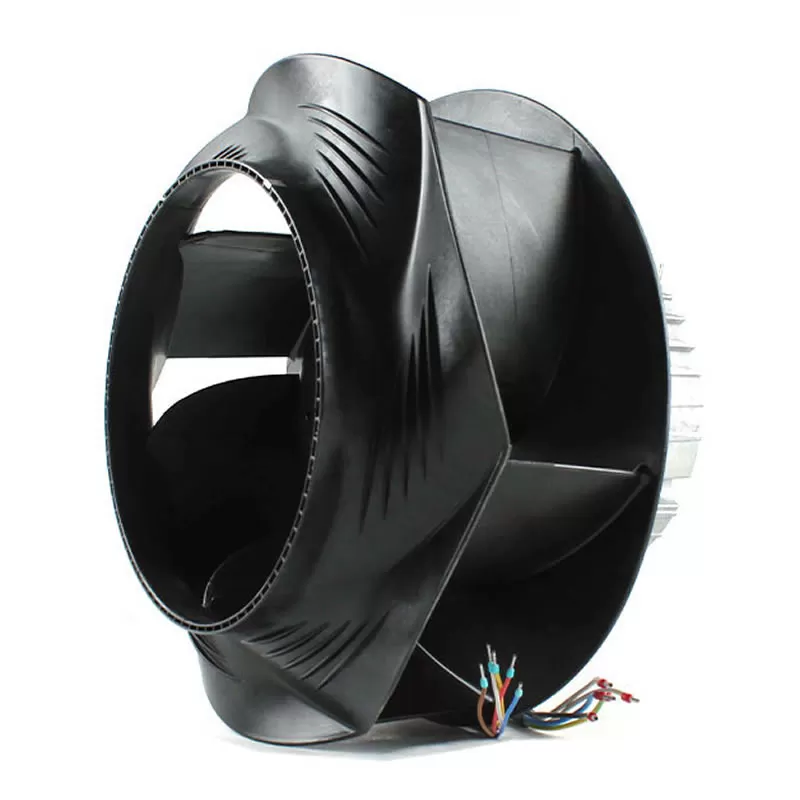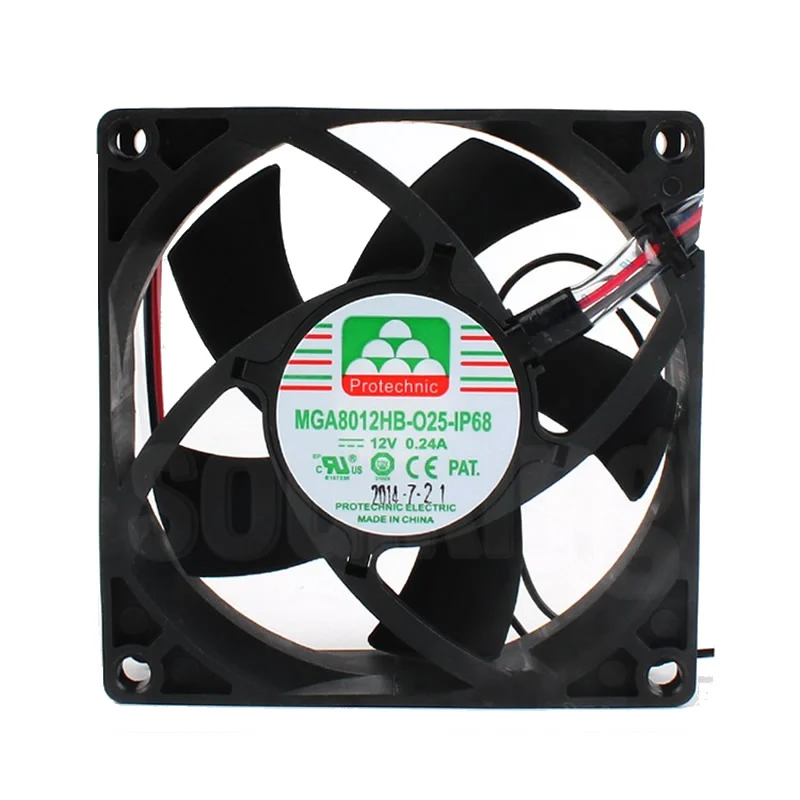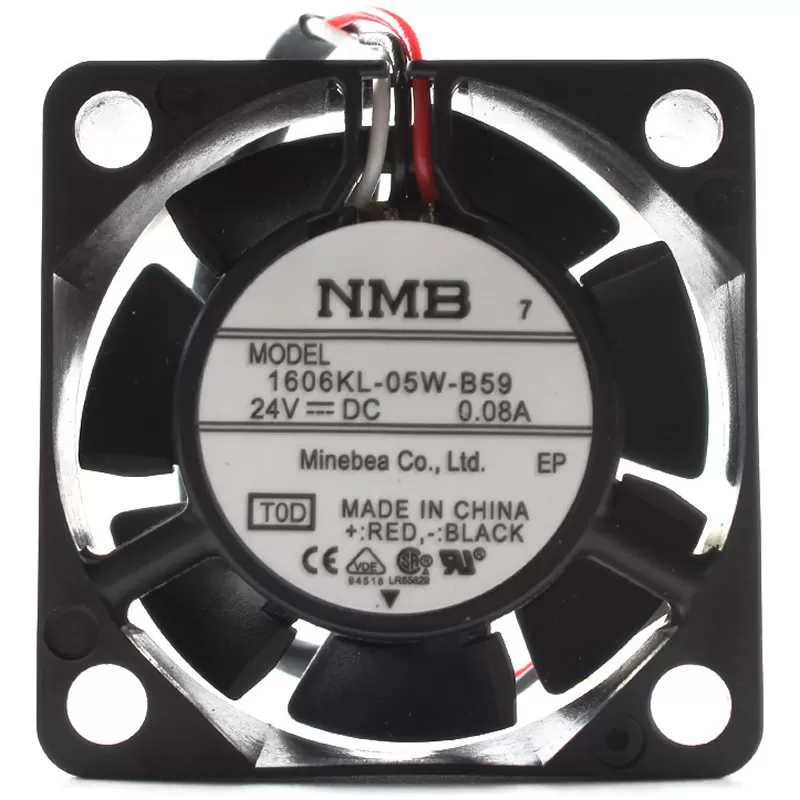
While centrifugal fans (often referred to as blowers) are widely recognized as the workhorses of high-pressure industrial ventilation, they are not a universal solution for every air-moving application. For facility managers, HVAC professionals, and system engineers, understanding the inherent limitations of these units is just as critical as knowing their strengths.
Specifying the wrong fan type for a project can lead to bloated energy bills, premature mechanical wear, and costly operational downtime. Below, we examine the primary technical and operational disadvantages of centrifugal fans and the crucial trade-offs you must weigh during the system design phase.
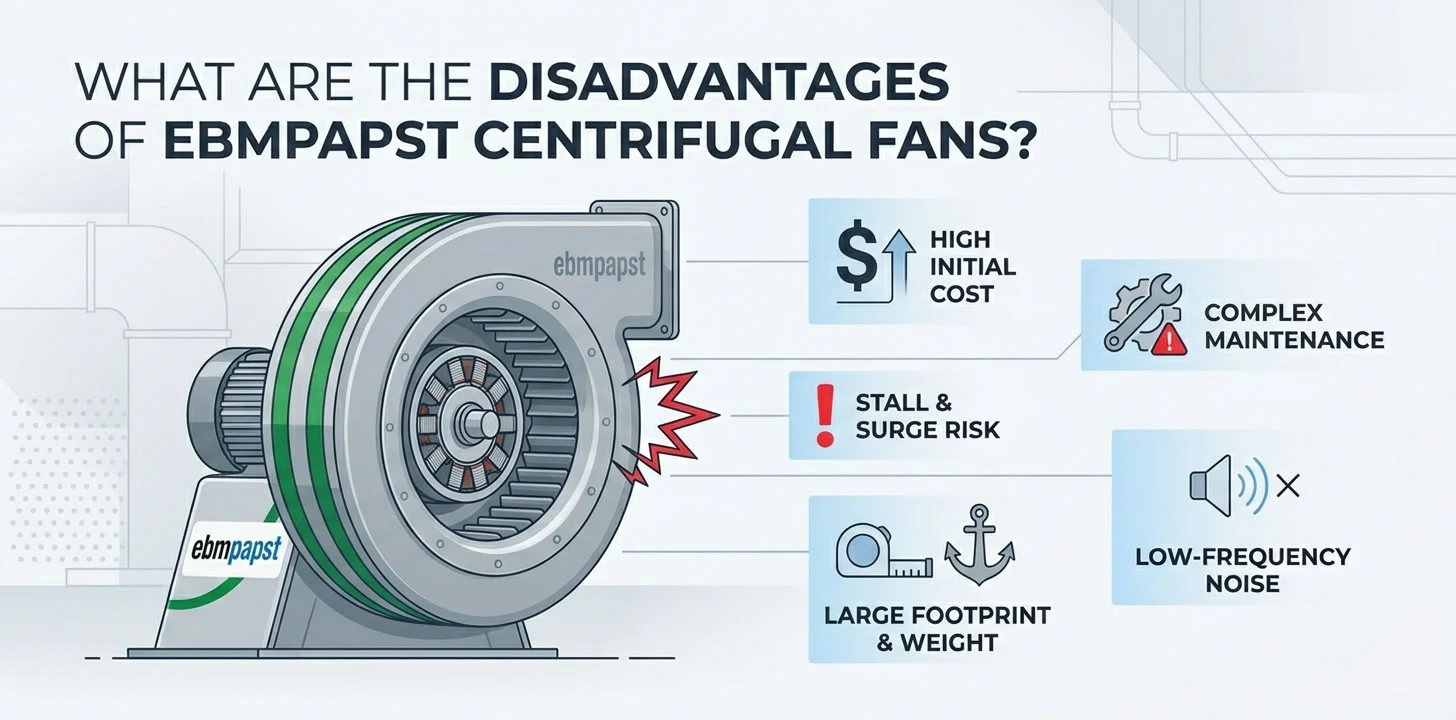
1. High Initial Capital Investment
From a strict procurement standpoint, centrifugal fans typically carry a higher upfront price tag compared to axial fans of the same airflow capacity (CFM). This cost disparity stems from several structural factors:
- Manufacturing Complexity: Fabricating the characteristic “scroll” or “volute” housing requires precision metalwork, welding, and sealing to ensure optimal aerodynamic performance and minimize internal air leakage.
- Heavy-Duty Materials: To generate and withstand higher static pressures, centrifugal impellers—particularly backward-inclined or airfoil designs—must be significantly more robust and heavier than standard axial blades.
- Drive Components: High-performance centrifugal units frequently rely on complex belt-drive systems, specialized shafts, and heavy-duty bearings to manage torque, which drives up the initial bill of materials.
2. Intensive and Complex Maintenance
The intricate mechanical design of a centrifugal fan translates directly into a more demanding maintenance schedule. Unlike the straightforward “plug-and-play” nature of many direct-drive axial fans, centrifugal blowers present unique upkeep challenges:
- Accessibility Issues: The enclosed housing design often buries the internal impeller and shaft. Routine inspections or deep cleaning—especially critical in applications moving particulate-laden air—usually require dismantling heavy ductwork sections or removing bulky access doors.
- Drive System Upkeep: For belt-driven models, maintenance teams must constantly monitor belt tension and pulley alignment. Misalignment by even a fraction of a degree can induce rapid bearing wear and severe vibration.
3. Vulnerability to Aerodynamic Stall and Surge
Perhaps the most significant technical vulnerability of a centrifugal fan is its sensitivity to unexpected changes in system resistance. Centrifugal fans are engineered to operate strictly within a specific performance curve.
If system resistance suddenly spikes—due to heavily clogged filters, closed dampers, or ductwork blockages—the fan’s operating point shifts too far left on the curve. This forces the unit into a state of aerodynamic stall or surge. During a surge, air rapidly fluctuates back and forth within the housing, creating violent rhythmic shocks. If not immediately mitigated by a Variable Frequency Drive (VFD) or bypass damper, this mechanical stress can literally tear the fan assembly apart.
4. Substantial Physical Footprint
When plant floor space or ceiling height is at a premium, accommodating a centrifugal fan can become an engineering headache.
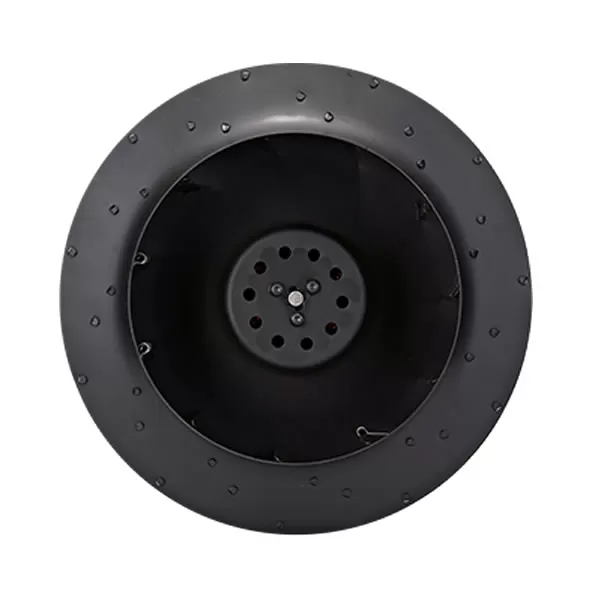
- 90-Degree Airflow Orientation: Centrifugal fans draw air in axially but discharge it at a perpendicular 90-degree angle. This fundamentally requires “L-shaped” ductwork transitions, which consume considerably more physical volume than the streamlined, straight-through piping used for axial fans.
- Weight and Mounting: Because they are built to push against high resistance, these fans are exceptionally heavy. Installation almost always necessitates reinforced concrete pads, heavy structural steel frames, and robust vibration isolators to safely manage the static weight and dynamic loads.
5. Low-Frequency Acoustic Issues
Centrifugal fans are frequently generalized as being “quieter” than axial fans, but this is an oversimplification. While they may produce less high-pitched blade-pass noise, they present a different acoustic challenge:
In high-pressure applications, centrifugal blowers generate pervasive low-frequency rumble. Low-frequency sound waves are notoriously difficult to block and can travel vast distances through metal ductwork and building structures. Standard acoustic insulation is often ineffective, forcing engineers to invest in expensive, bulky low-frequency silencers or acoustic enclosures.
Technical Summary: Disadvantages at a Glance
| Challenge / Disadvantage | Impact on Operations | Engineering Mitigation Strategy |
|---|---|---|
| Capital Cost | Increases initial project CAPEX. | Conduct a Life Cycle Cost (LCC) analysis to justify long-term energy savings. |
| Footprint & Layout | Complicates ductwork design and space allocation. | Consider Plenum or Plug fans for high-pressure needs in tighter spaces. |
| Stall / Surge Risk | Threatens catastrophic motor and bearing failure. | Install pressure sensors integrated with VFDs to keep operation within stable zones. |
| Maintenance | Drives up long-term labor and downtime costs. | Implement predictive vibration monitoring and automatic lubrication systems. |
The Bottom Line
Centrifugal fans remain an indispensable technology for heavy-duty material handling, filtration systems, and any application demanding high static pressure. However, their structural complexity, physical bulk, and sensitivity to system resistance mean they should not be selected by default.
If your facility requires moving massive volumes of air against relatively low resistance, exploring axial or mixed-flow alternatives will likely yield a more compact, cost-effective, and maintenance-friendly solution.
Navigating the complexities of industrial ventilation doesn’t have to be a guessing game. For precise technical sizing, performance curves, or help selecting the perfect blower for your specific application, reach out to the engineering experts at Fansco today.