In the realm of industrial ventilation, HVAC design, and process engineering, specifying the correct air-moving equipment is critical to system performance, energy efficiency, and overall reliability. While both centrifugal and axial fans serve the fundamental purpose of moving gases, their aerodynamic principles, performance curves, and optimal use cases differ drastically.
Misapplying a fan technology—such as using an axial fan in a highly restrictive ducted system or over-specifying a centrifugal blower for free-air exhaust—results in energy waste, excessive noise, aerodynamic stall, and premature motor failure. To ensure optimal system design, engineers must look beyond basic CFM (Cubic Feet per Minute) ratings and understand the fluid dynamics driving each technology.
Aerodynamic Principles: How They Move Air
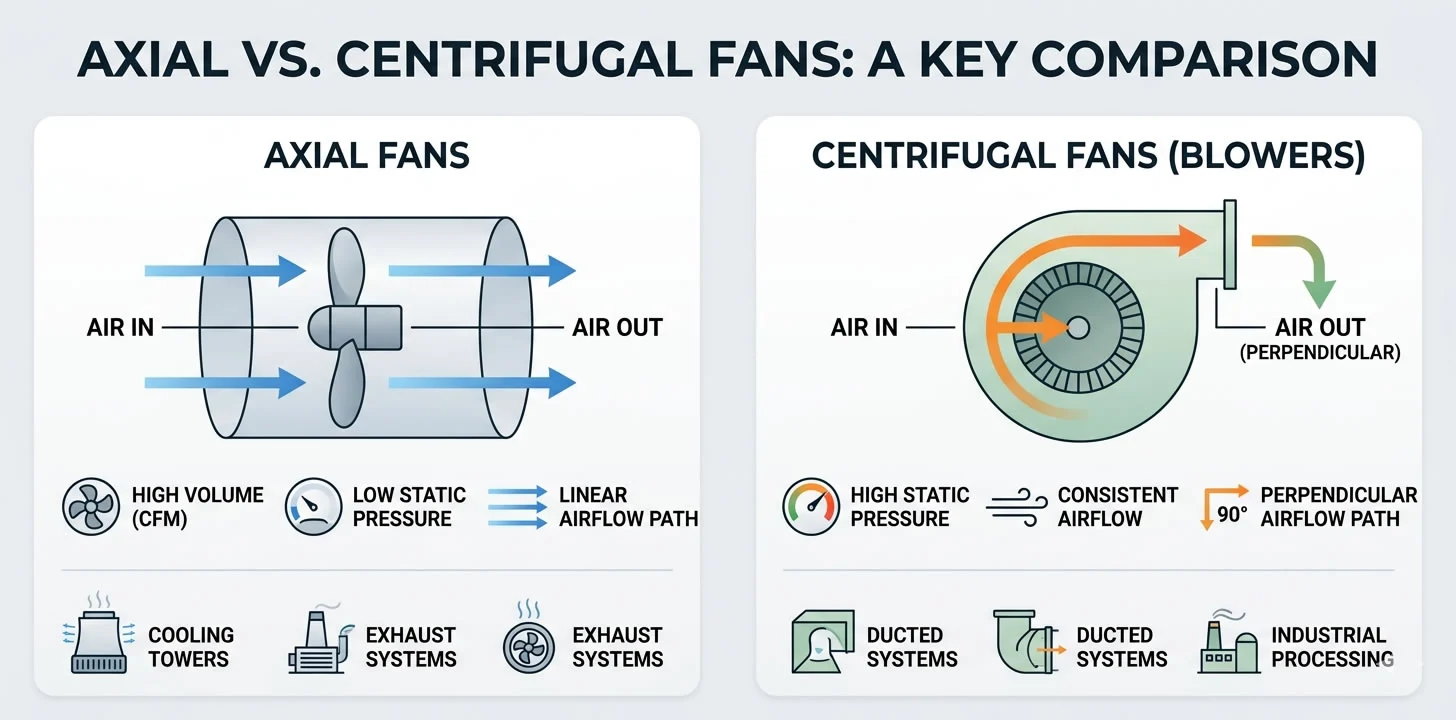
The defining distinction between the two fan types lies in the path the air takes through the device and how kinetic energy is imparted to the airstream.
Axial Fans: Linear Velocity
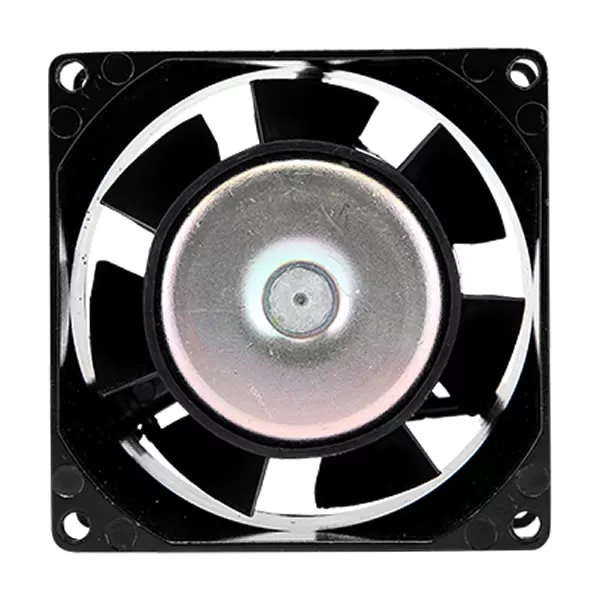
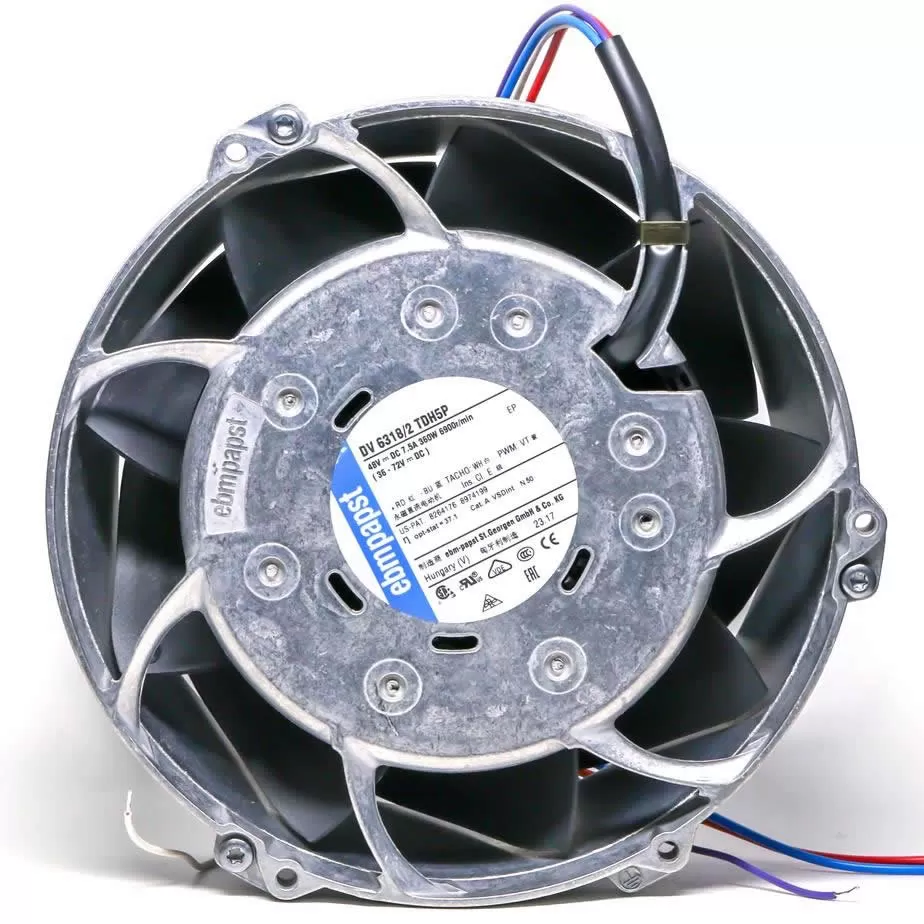
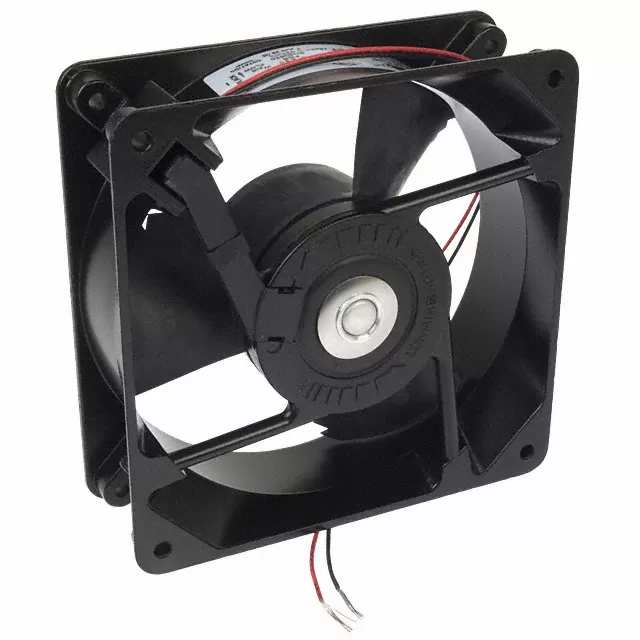
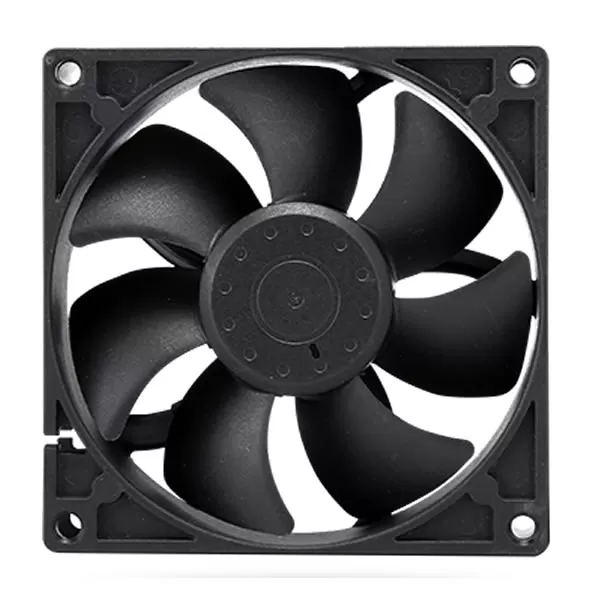
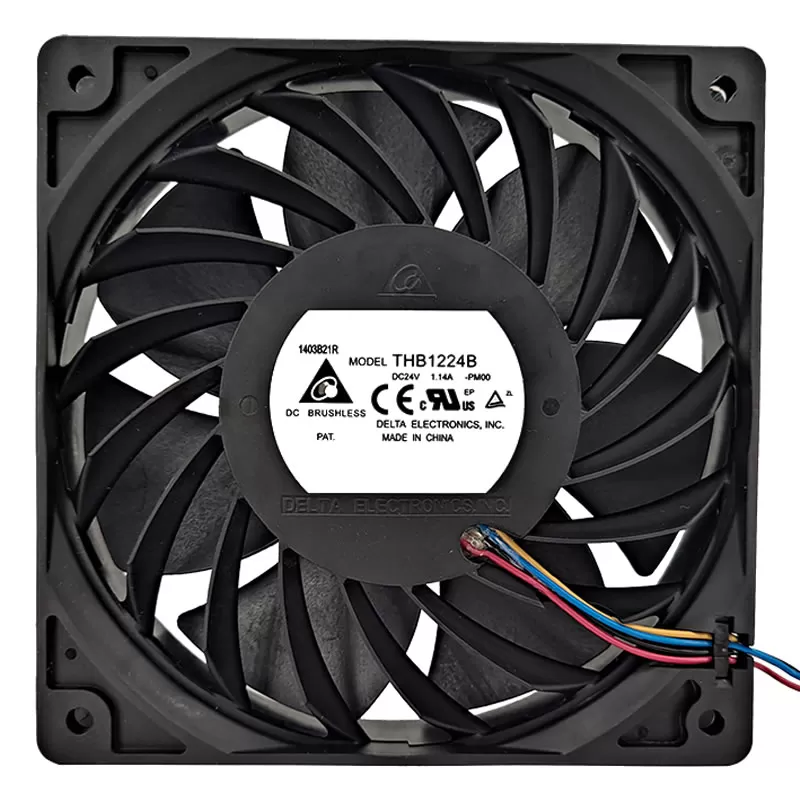
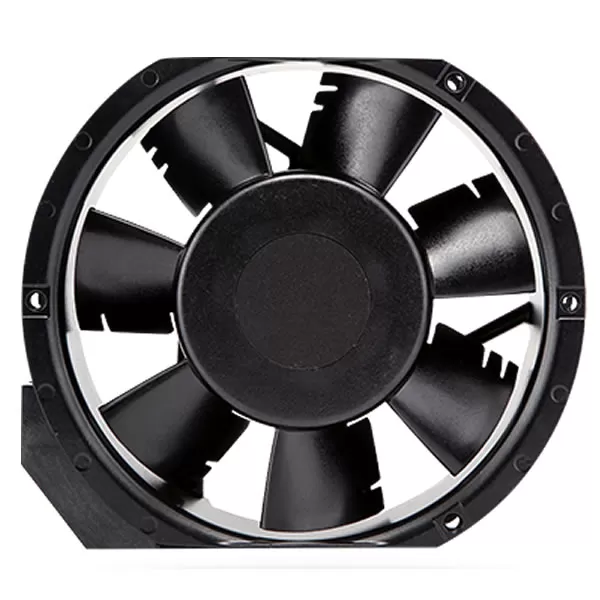
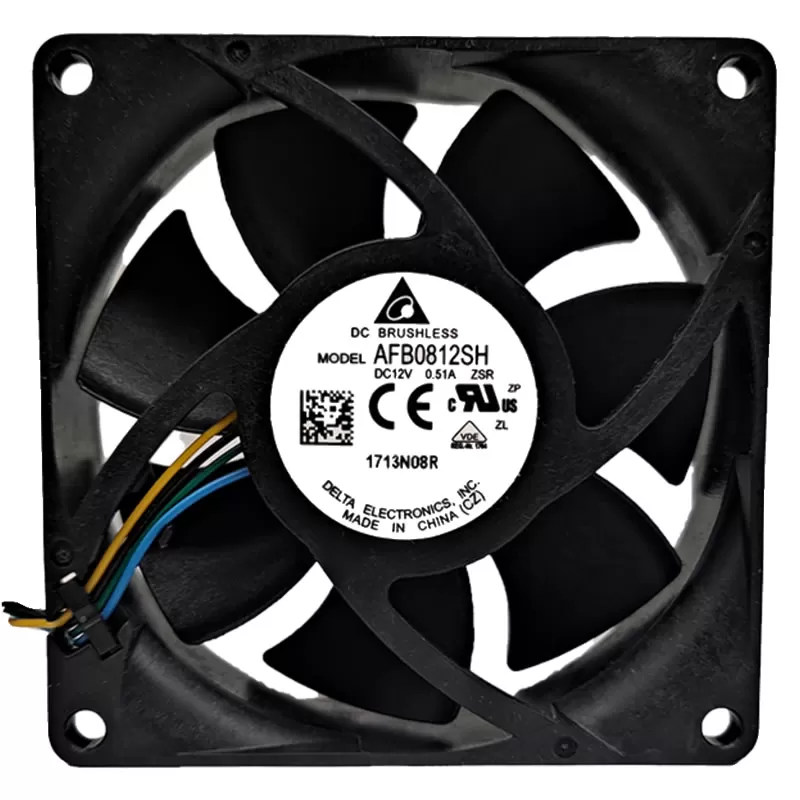
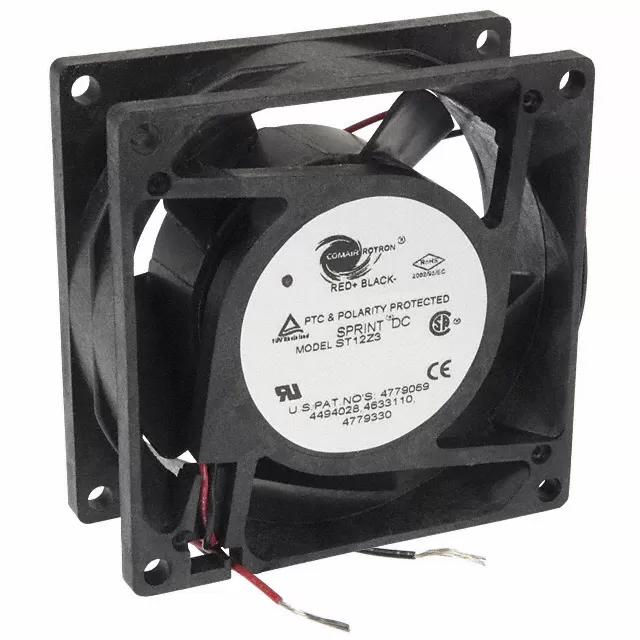
Axial fans operate on principles similar to an aircraft propeller. Air is drawn in parallel to the axis of the rotating shaft and forced out in the same parallel direction. The blades, typically designed as airfoils, generate aerodynamic lift that propels the air forward.
Because the air does not change direction, axial fans are highly efficient at transferring energy into velocity pressure rather than static pressure. They excel at moving massive volumes of air, but their ability to overcome downstream resistance is inherently limited.
Centrifugal Fans: Radial Acceleration and Compression
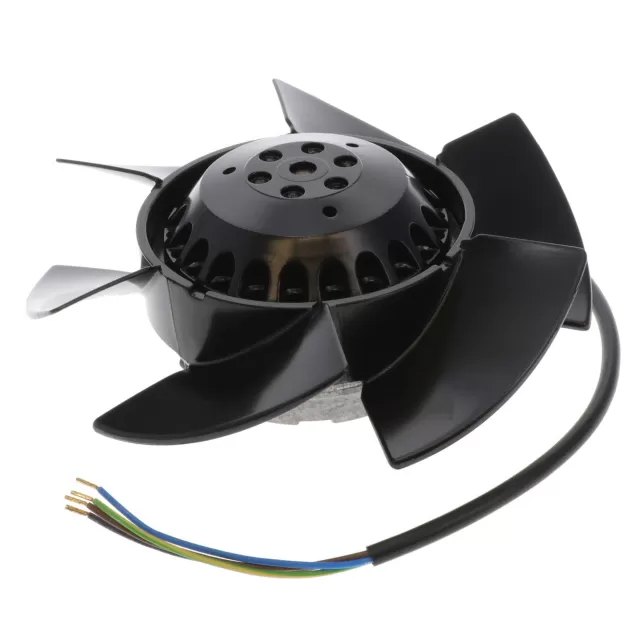
Centrifugal fans (often referred to as blowers) draw air into the center (the eye) of a rotating impeller. As the impeller spins, centrifugal force accelerates the air outward radially. The air strikes the fan’s scroll housing, which slows the air down and converts its kinetic energy (velocity) into static pressure. Finally, the air exhausts at a 90-degree angle to the intake.
This perpendicular redirection and mechanical compression allow centrifugal fans to generate the high static pressure required to push air through complex ductwork, dense filtration systems, and industrial scrubbers.
Deep Dive: Sub-types and Impeller Designs
To truly understand fan selection, one must look at the specific impeller designs within each category, as performance characteristics vary wildly among sub-types.
Varieties of Axial Fans
- Propeller Fans: The most basic design, mounted in a simple ring or panel. They offer high volume at near-zero static pressure. Common in roof exhausters or warehouse wall fans.
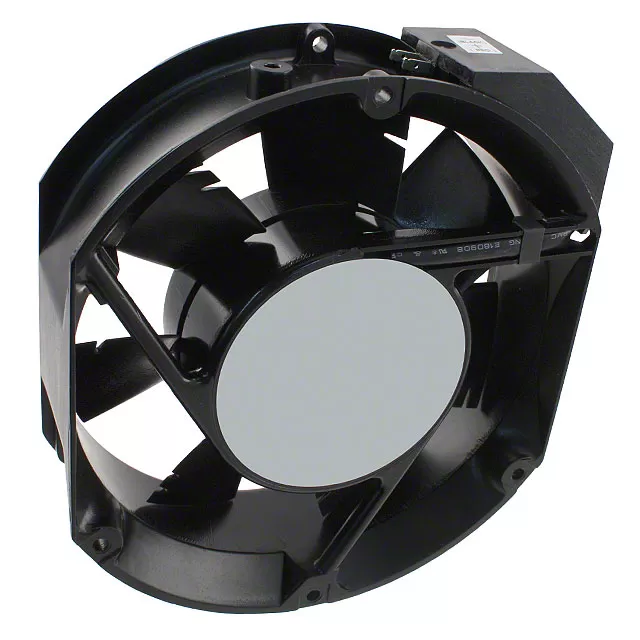
- Tubeaxial Fans: The impeller is housed within a cylindrical tube, reducing air leakage at the blade tips. This slightly increases their static pressure capabilities, making them suitable for short, straight duct runs.
- Vaneaxial Fans: The most advanced axial design. They feature fixed stationary guide vanes behind the impeller that straighten the twisting airflow (swirl) exiting the blades. This recovers rotational energy, boosting efficiency and allowing them to operate at moderate-to-high static pressures.
Varieties of Centrifugal Impellers
- Forward-Curved: Blades curve in the direction of rotation. These operate at lower speeds and are exceptionally quiet, moving large volumes of air at low-to-medium pressures. However, they are prone to motor overload if system resistance drops suddenly.
- Backward-Inclined / Backward-Curved: Blades tilt away from the direction of rotation. These are highly efficient and feature a “non-overloading” power curve, meaning the motor will not burn out if system pressure fluctuates. They are the standard for heavy commercial and industrial HVAC.
- Airfoil: Similar to backward-curved, but the blades have an aerodynamic tear-drop cross-section. These offer the absolute highest efficiency and lowest noise among centrifugal designs, ideal for clean-air applications.
- Radial: Straight blades extending from the hub. While less aerodynamically efficient, their rugged, self-cleaning design prevents material buildup, making them essential for pneumatic conveying, dust collection, and exhausting particulate-laden air.
Analyzing Fan Performance Curves
When an engineer matches a fan to a system, they overlay the Fan Performance Curve (flow vs. pressure) with the System Resistance Curve. The point where they intersect is the operating point.
Axial fans typically have a “dip” or stall region in their performance curve. If system pressure increases unexpectedly (e.g., a damper closes or a filter clogs), an axial fan can slip into this stall region, causing erratic airflow, severe vibration, and acoustic surging. Centrifugal fans, particularly backward-inclined models, offer a much steeper and more stable continuous curve, ensuring consistent flow even as filter resistance increases over time.
Comprehensive Technical Comparison
| Specification Metric | Axial Fans | Centrifugal Fans |
|---|---|---|
| Volumetric Flow (CFM/CMH) | Extremely High | Low to High (depending on width/diameter) |
| Static Pressure Capability | Low (except Vaneaxial) | High to Very High |
| Mechanical Efficiency | High at free delivery; drops rapidly with resistance. | Peak efficiency reached at specific pressure design points. |
| Overload Characteristics | Power demand peaks at shut-off (max pressure). | Varies (Backward-inclined are non-overloading). |
| Footprint & Installation | Compact, in-line, easily integrated into piping. | Requires larger footprint, 90-degree turn layout, and heavier mounting. |
| Acoustics | Higher frequency noise, heavily dependent on blade tip speed. | Lower frequency, easier to attenuate via the scroll housing. |
| Airstream Tolerance | Best for clean, ambient-temperature air. | Can be engineered for high heat, corrosives, and heavy dust. |
Specification Guidelines: Making the Right Choice
The decision tree for selecting between axial and centrifugal technology should be driven by empirical system data rather than spatial convenience.
Specify an Axial Fan when:
- The primary goal is moving massive amounts of heat or stagnant air out of a large volume space (cooling towers, data center hot aisles, agricultural exhaust).
- System static pressure is consistently below 1 to 2 inches of water gauge (in. w.g.).
- Installation space is strictly limited to an inline duct configuration.
Specify a Centrifugal Fan when:
- The airstream must navigate through extensive duct networks, HEPA filtration, cooling coils, or variable air volume (VAV) boxes.
- The system requires stable, continuous airflow despite fluctuating pressure conditions.
- The exhausted air contains abrasive dust, corrosive gases, or extreme temperatures that would quickly destroy the exposed motor of an inline axial fan.
At Fansco, we engineer solutions based on precision data. By thoroughly evaluating your target CFM, static pressure constraints, acoustic requirements, and environmental factors, we ensure that the fan you specify delivers maximum efficiency and longevity for your specific application. If you require assistance plotting your system curve against our fan performance metrics, our engineering team is ready to assist.