Posted on Leave a comment

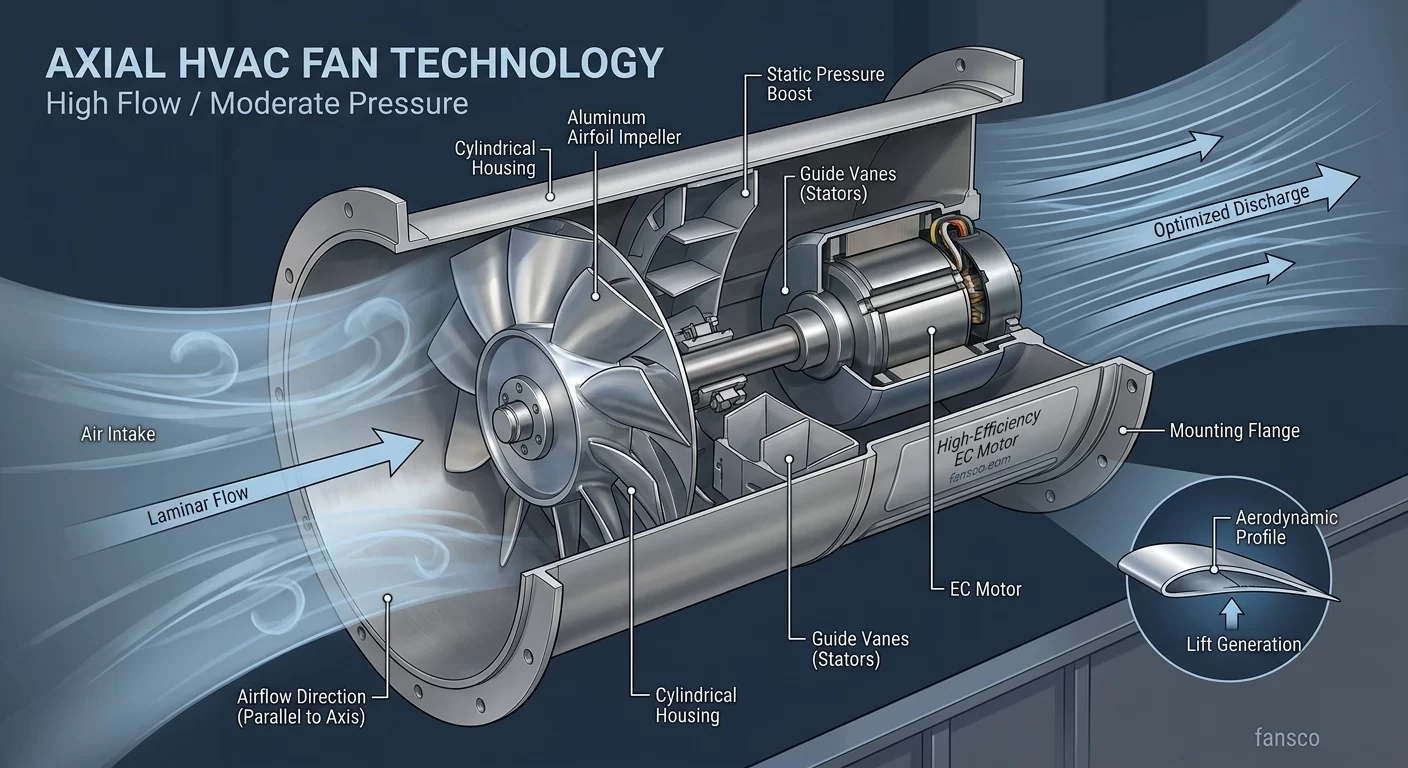
What size are axial fans?

What size are axial fans?

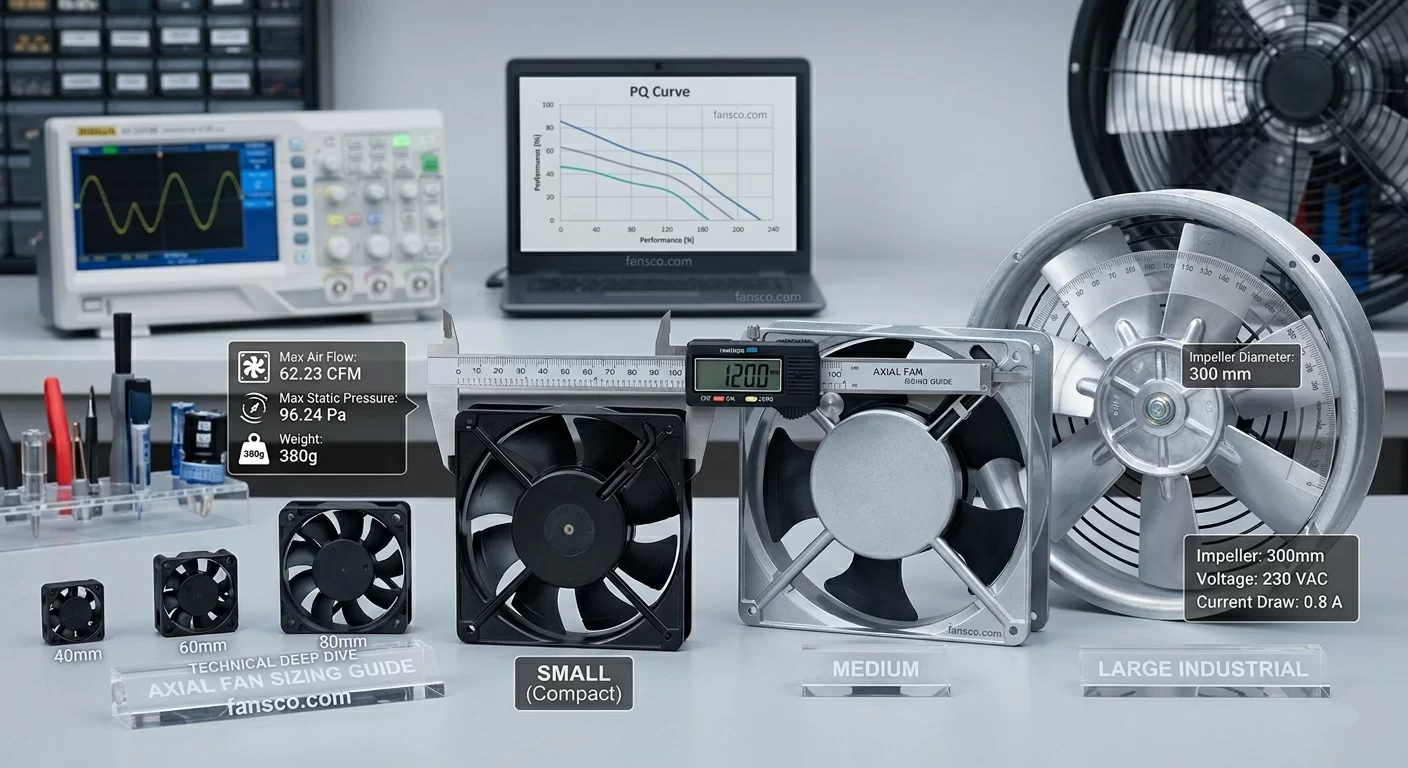
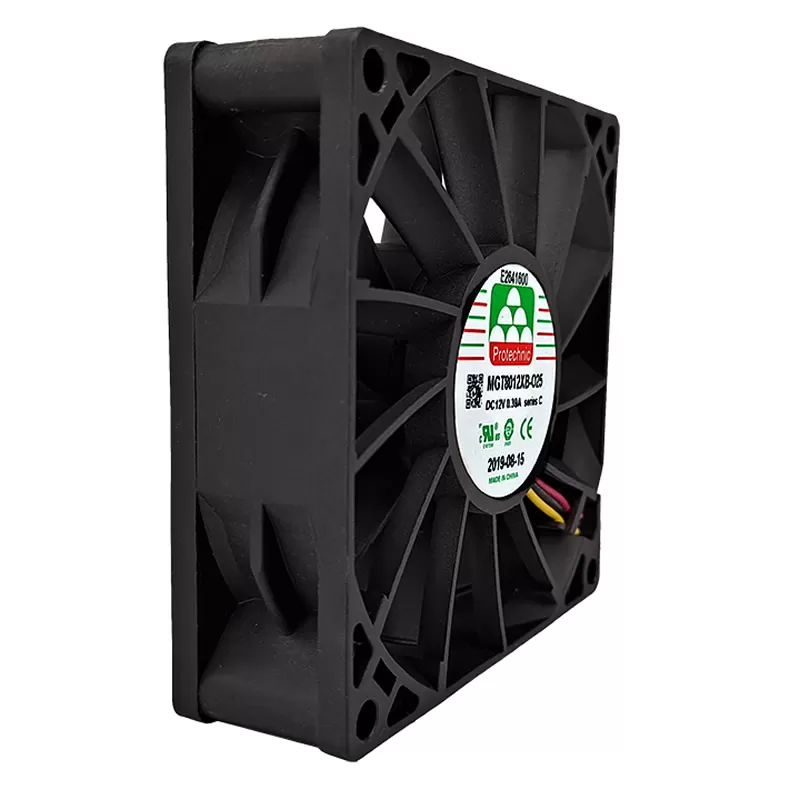
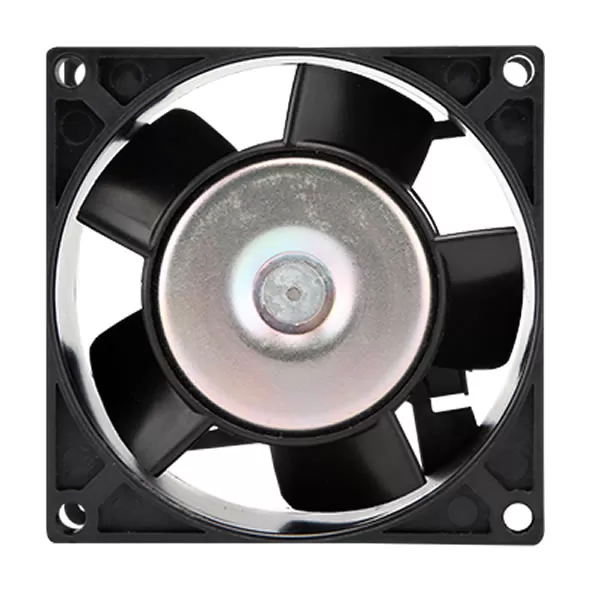
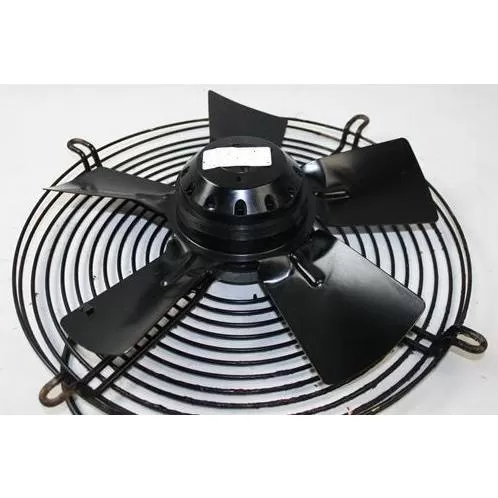
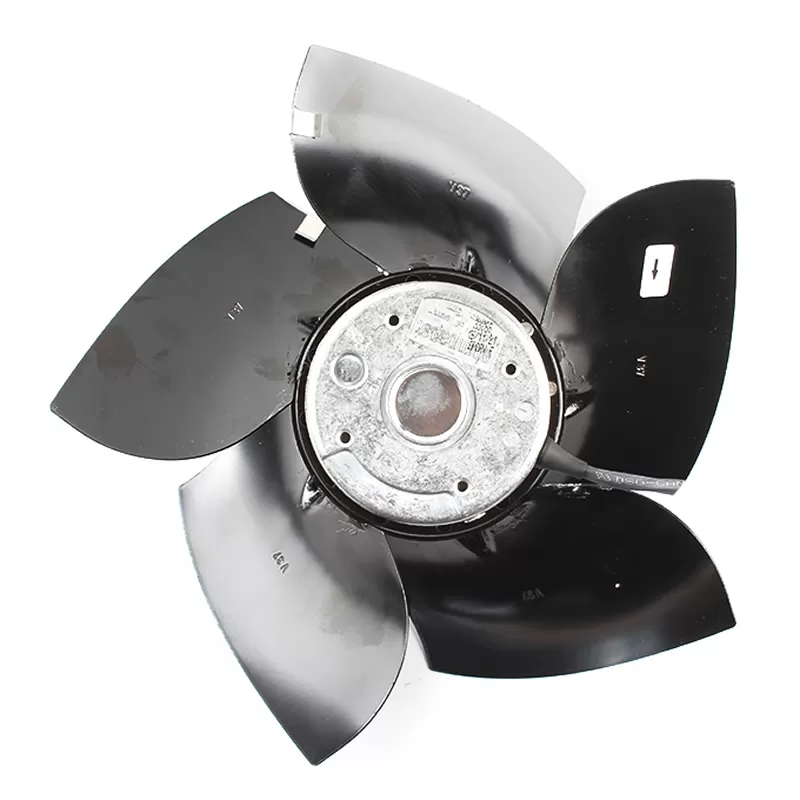
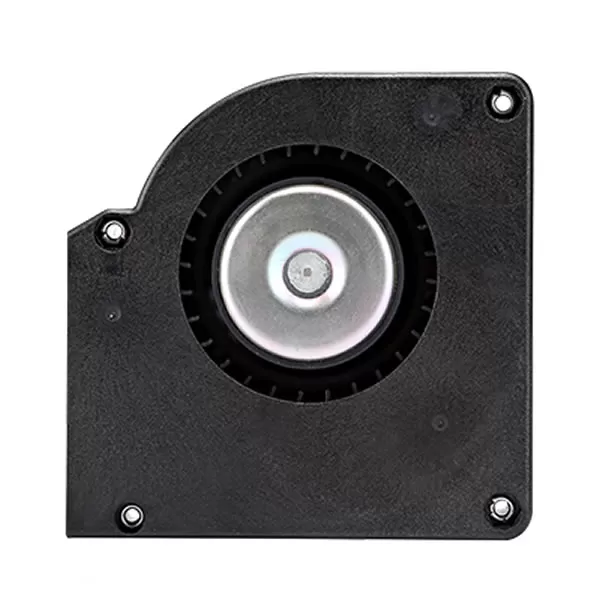
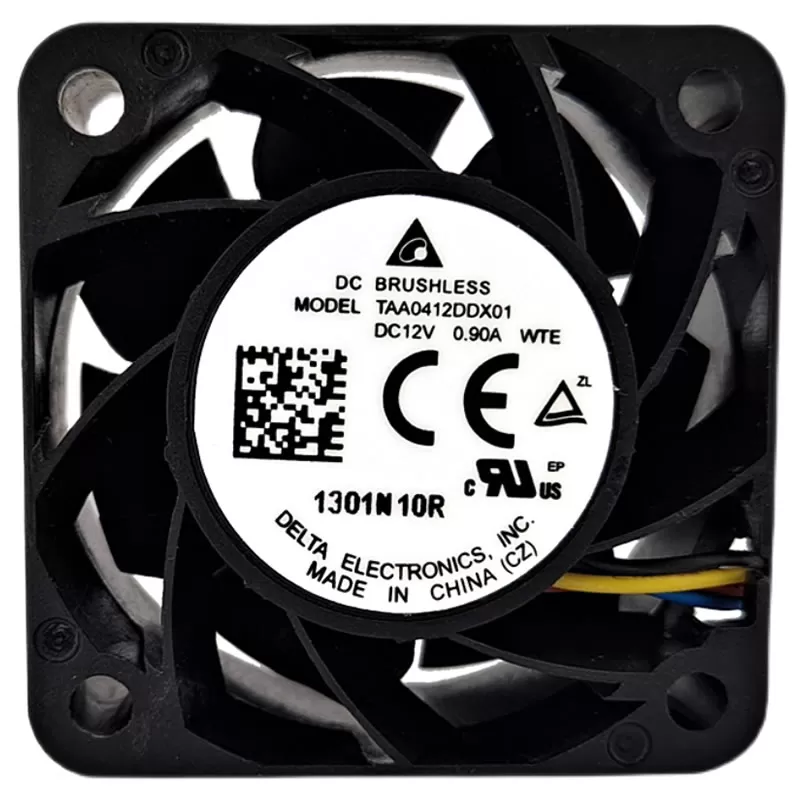
When specifying an axial fan for cooling and ventilation, getting the exact size right is the first step toward optimal thermal management. The physical size of the fan directly dictates its aerodynamic capabilities, determining working air flow, noise levels, and whether it will actually fit into your device or system. However, “size” in the fan industry involves specific terminology that procurement specialists and engineers must get right. Continue reading What size are axial fans?

Posted on Leave a comment

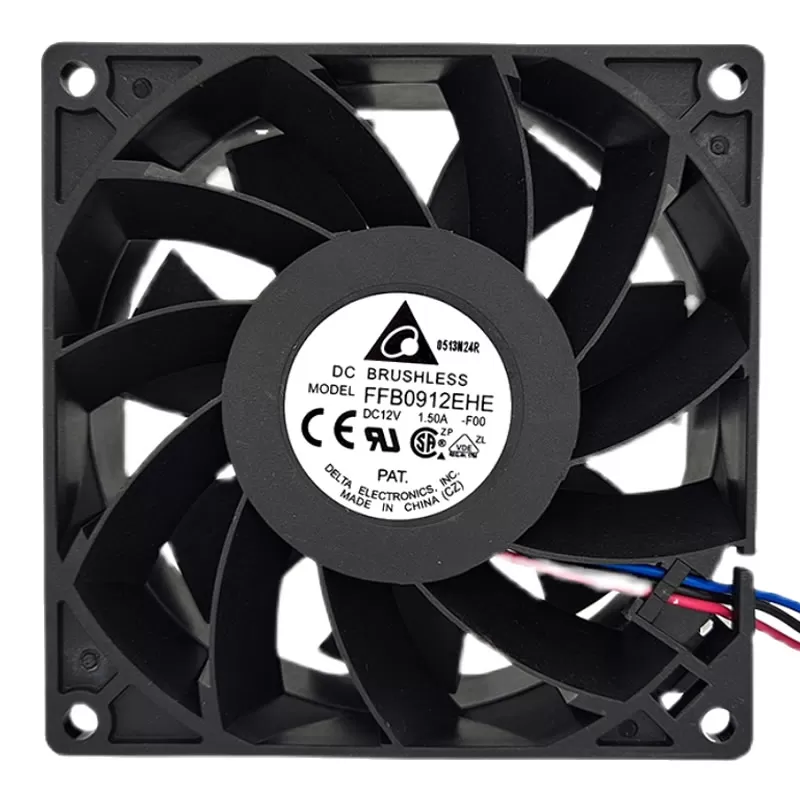
Ultimate Guide to Cooling Fan Sizes, Codes & Industrial Applications
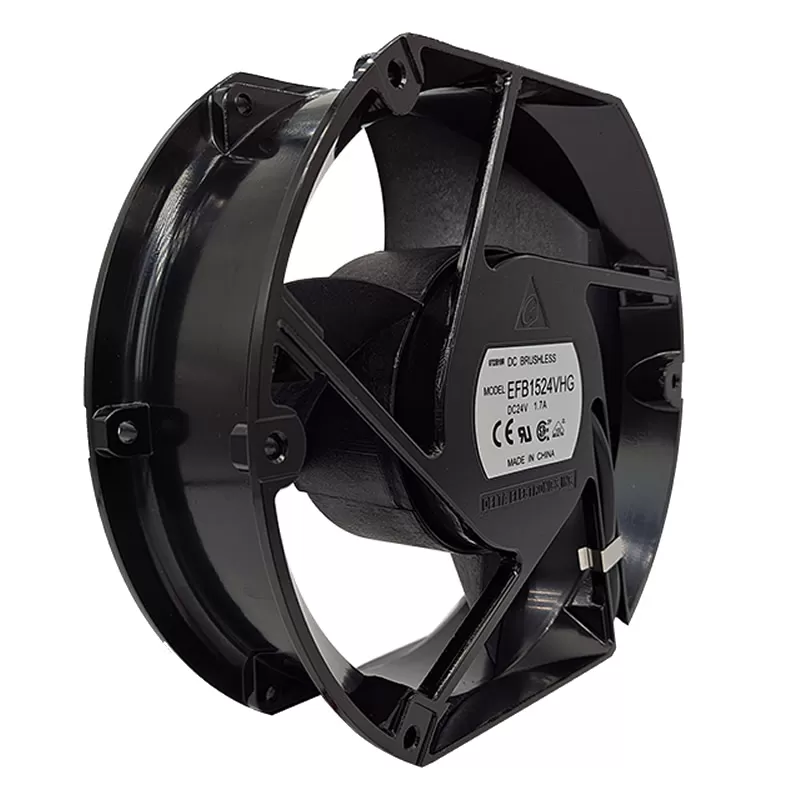
Ultimate Guide to Cooling Fan Sizes, Codes & Industrial Applications
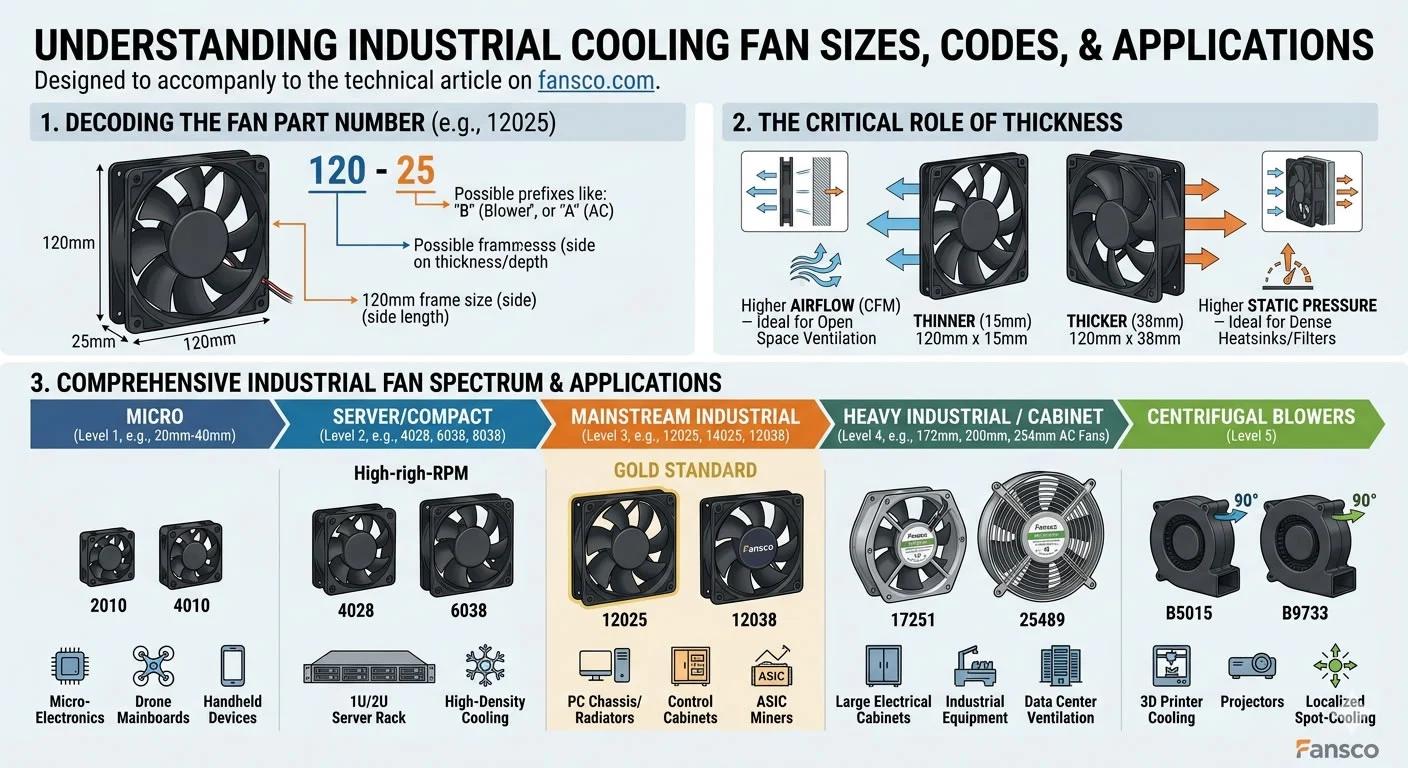
Whether you are designing a micro-electronic wearable, configuring a high-density 1U server rack, or engineering a heavy-duty industrial control cabinet, thermal management is a critical factor for hardware reliability. At Fansco, we know that selecting the optimal cooling fan requires more than just knowing the physical dimensions; it requires a deep understanding of the complex matrix of sizes, abbreviations, and aerodynamic performance characteristics. Continue reading Ultimate Guide to Cooling Fan Sizes, Codes & Industrial Applications
Posted on Leave a comment

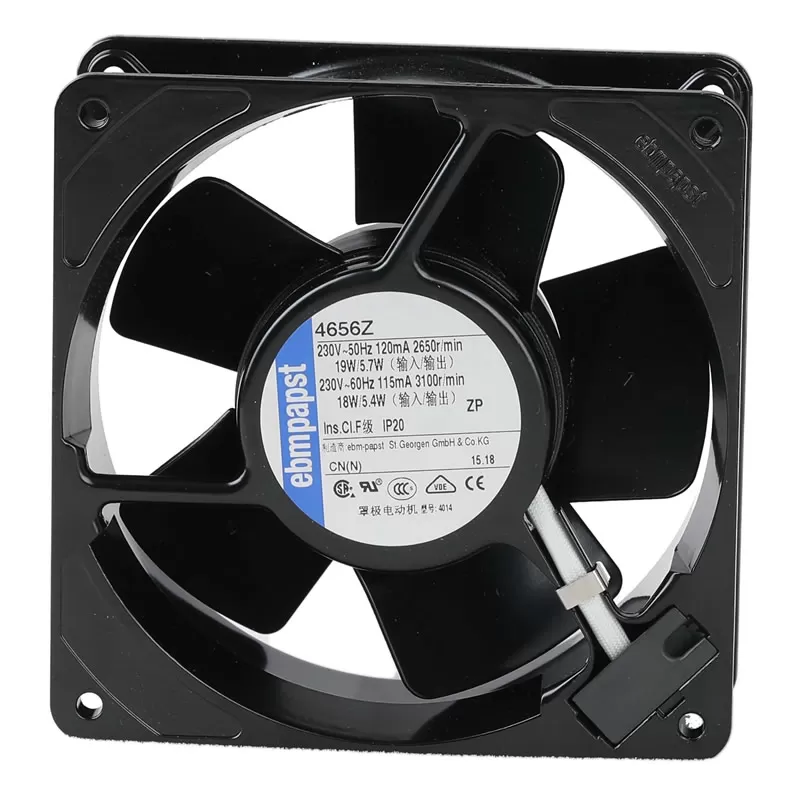
ebmpapst vs ebm-papst: What’s the Difference?

ebmpapst vs ebm-papst: What's the Difference?

Executive Summary

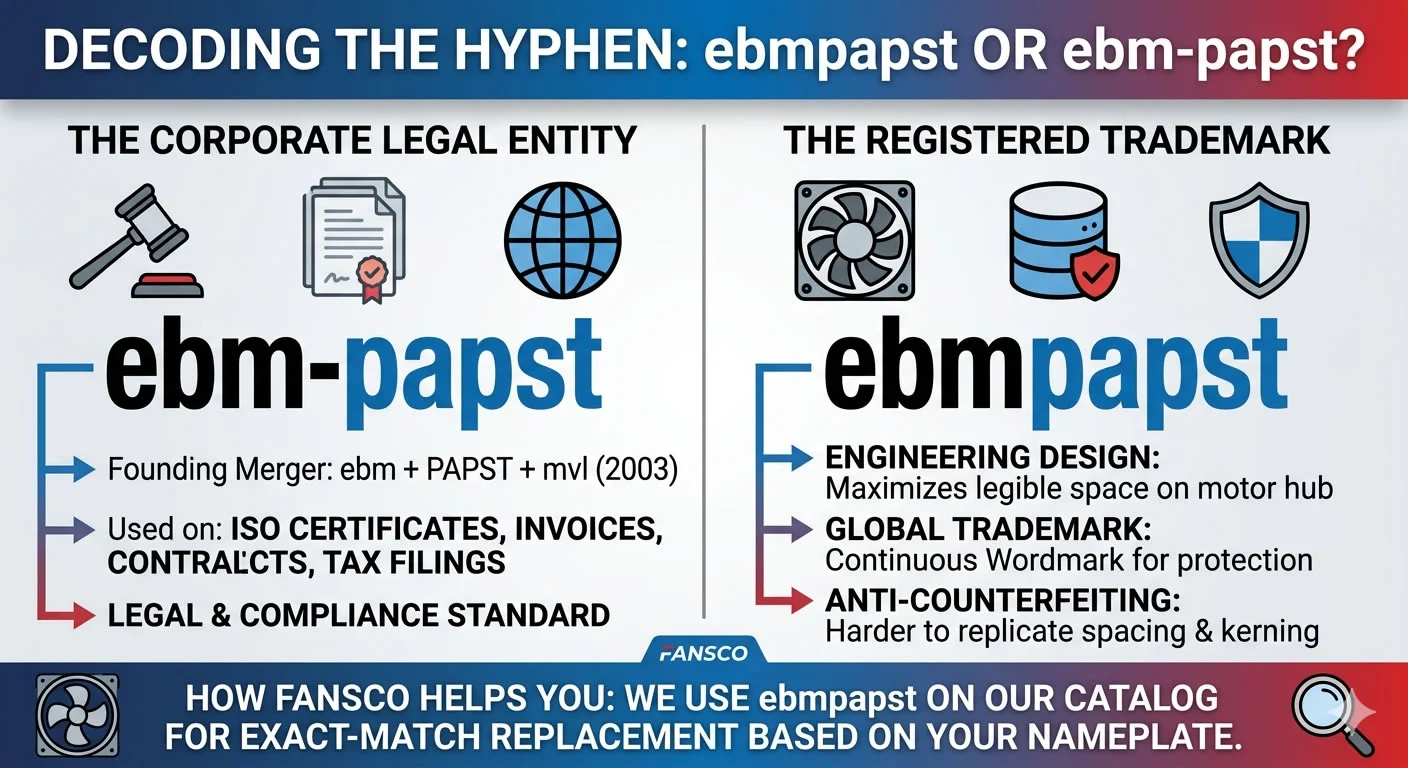
  • ebm-papst (With Hyphen): The official corporate legal name resulting from the 2003 merger of ebm, PAPST, and mvl.
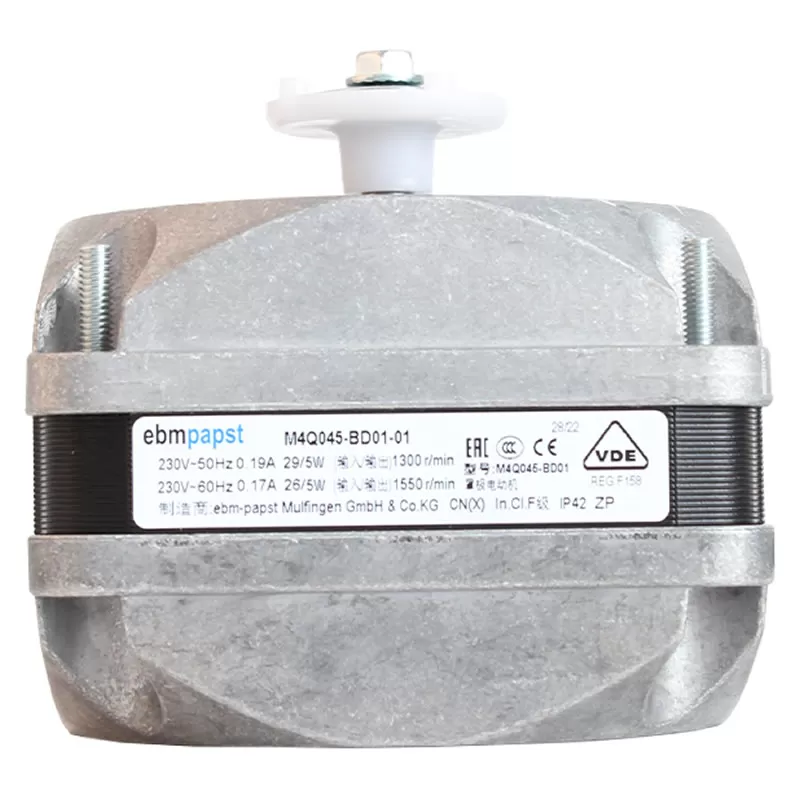
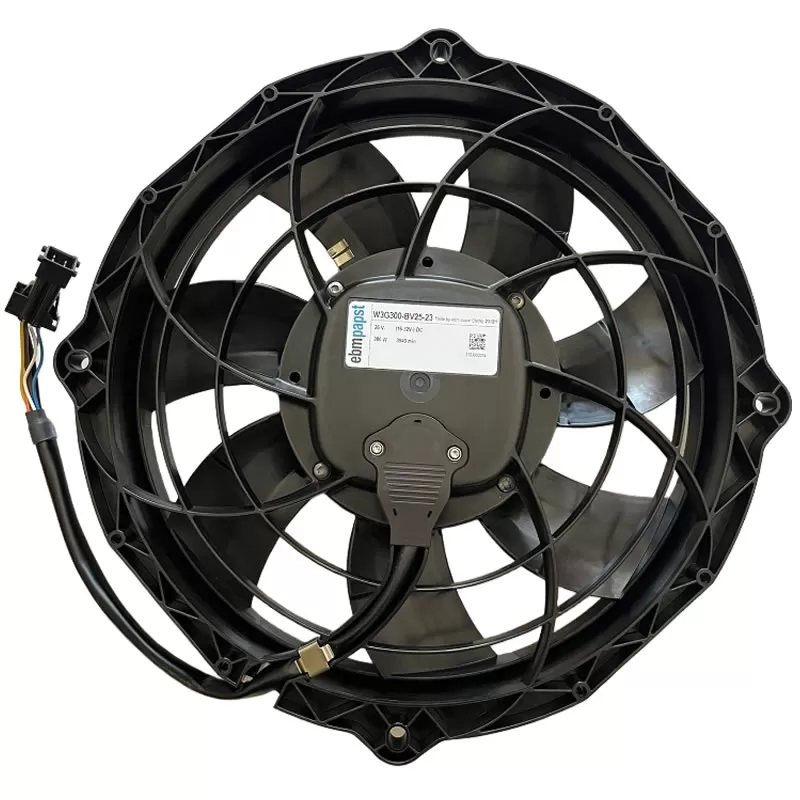
  • ebmpapst (No Hyphen): The registered visual trademark, prominently embossed on physical fan nameplates and used in digital domains.
  • Procurement Tip: Always cross-reference the unique 10-digit or 12-digit Material Number, not just the Type Designation (e.g., 4650N), to guarantee authenticity and exact spec matching.
If you are a maintenance engineer or a procurement specialist dealing with industrial ventilation, you have likely encountered a frustrating discrepancy. You pull a failed cooling fan from a CNC machine or telecom cabinet, and the physical nameplate clearly reads ebmpapst. However, when you check the OEM Bill of Materials (BOM) or official manufacturer datasheets, it is written as ebm-papst.Is this an ERP data entry error? Or worse, have you encountered a counterfeit component? The short answer is: both spellings are completely legitimate. However, understanding why this discrepancy exists requires a deep dive into German engineering history, industrial trademark strategies, and modern anti-counterfeiting measures.
Continue reading ebmpapst vs ebm-papst: What’s the Difference?
Posted on Leave a comment

Technical Specification for Ericsson BKV301 216/130 Fan

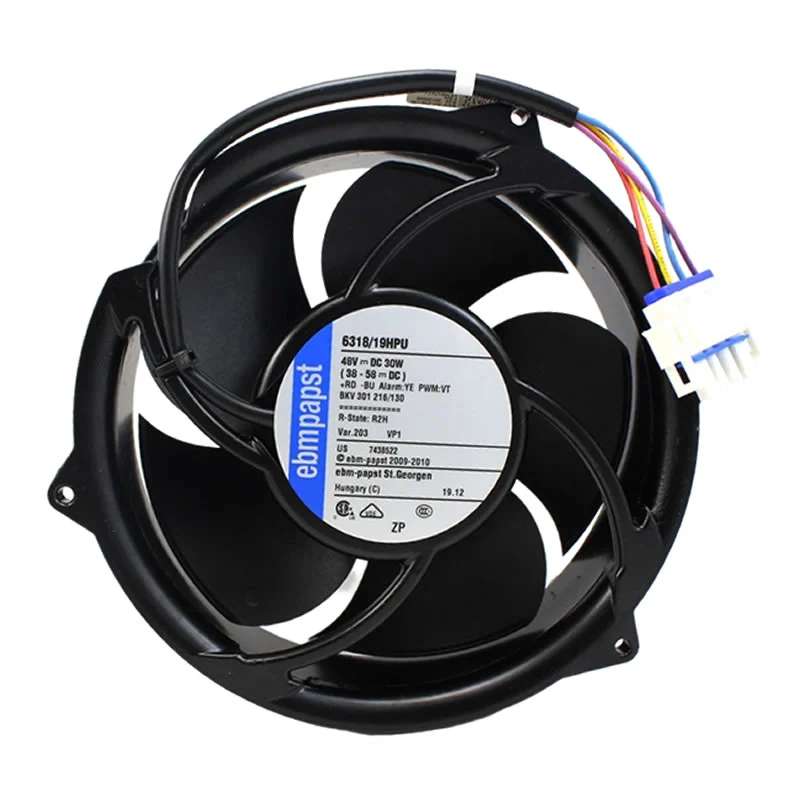
6318/19HPU-229 ebmpapst

I. Device Overview

The Ericsson BKV301 216/130 fan is an industrial-grade cooling component designed for communication equipment, primarily used in base station cabinets, core network devices, and other critical systems. It supports 7×24 continuous operation and is engineered to meet the following core requirements: Continue reading Technical Specification for Ericsson BKV301 216/130 Fan

Posted on Leave a comment

Analysis of the BKV301 216/130 Specification Fans in Ericsson Equipment

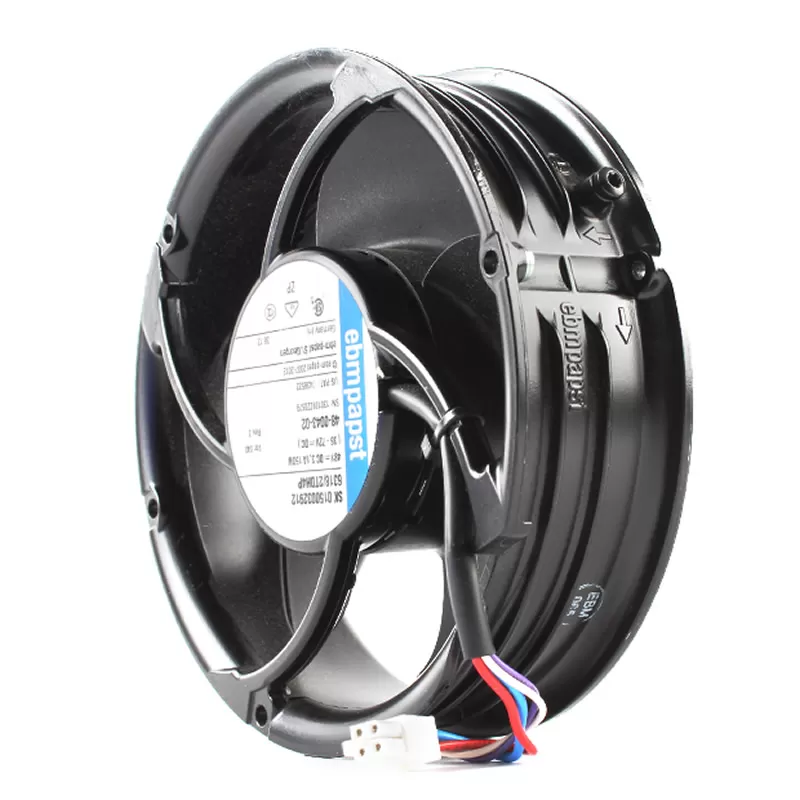
6318/2TDH4P ebmpapst

In modern telecommunications infrastructure, particularly in Ericsson’s advanced base stations and network equipment, continuous and efficient cooling is vital for ensuring stable operation and extending service life. As equipment power density continues to increase, the demands placed on cooling components become ever more stringent. In this context, fans conforming to the “BKV301 216/130” specification play a critical role. However, “BKV301 216/130” does not refer to a single specific product model, but rather a set of technical requirements defined by Ericsson for its high-performance cooling needs. Several top-tier fan manufacturers globally are capable of supplying fans that meet these requirements. Among the most recognized and widely used are specific models from Delta, NIDEC, and ebm-papst. Continue reading Analysis of the BKV301 216/130 Specification Fans in Ericsson Equipment