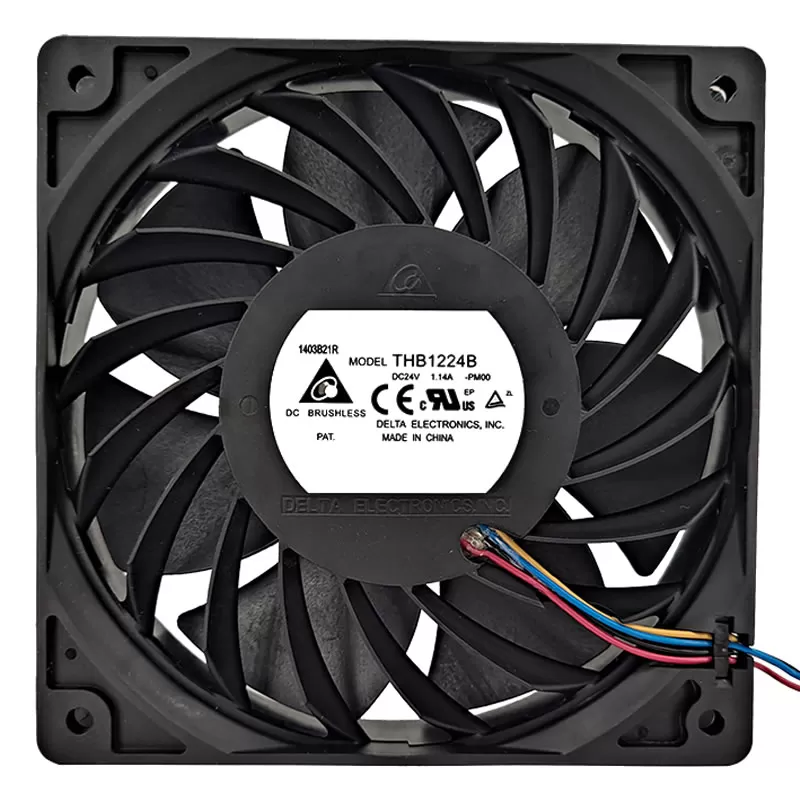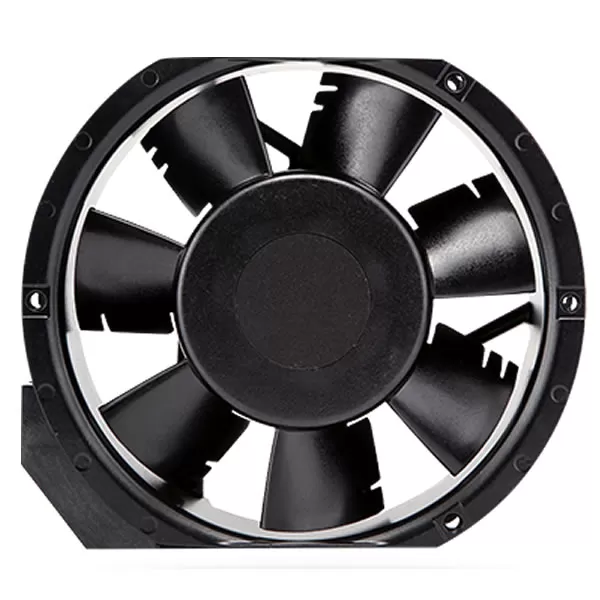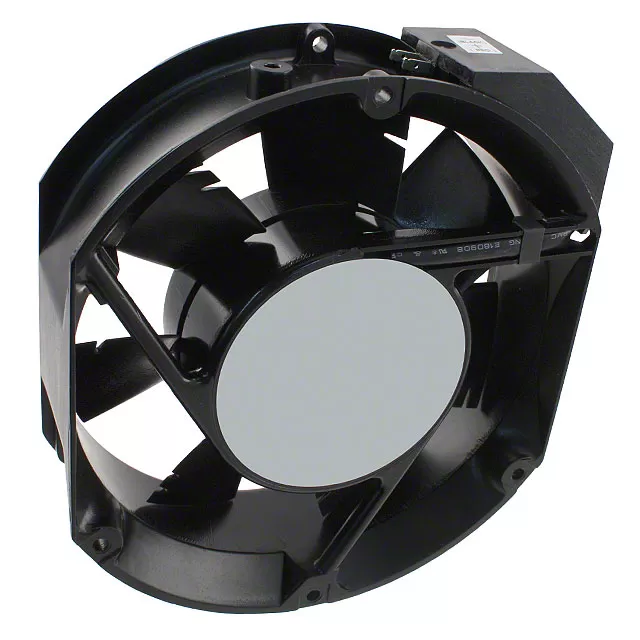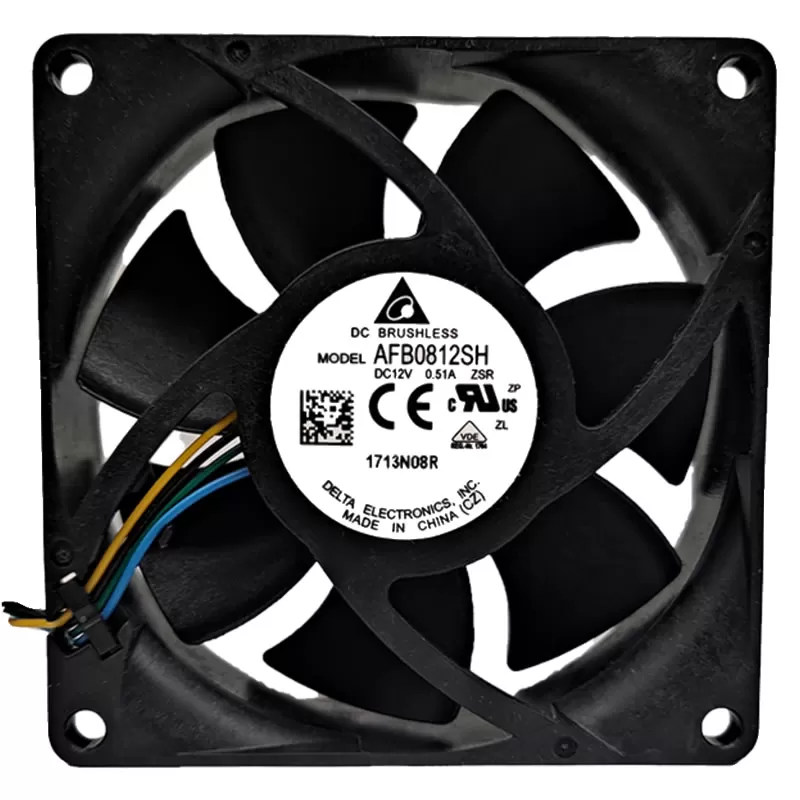
When specifying an axial fan for cooling and ventilation, getting the exact size right is the first step toward optimal thermal management. The physical size of the fan directly dictates its aerodynamic capabilities, determining working air flow, noise levels, and whether it will actually fit into your device or system. However, “size” in the fan industry involves specific terminology that procurement specialists and engineers must get right.
1. Dimensions vs. Impeller Size: Understanding the Terminology
Before diving into the actual numbers, it is critical to distinguish between the two ways axial fans are measured. Misunderstanding these terms often leads to ordering the wrong part.
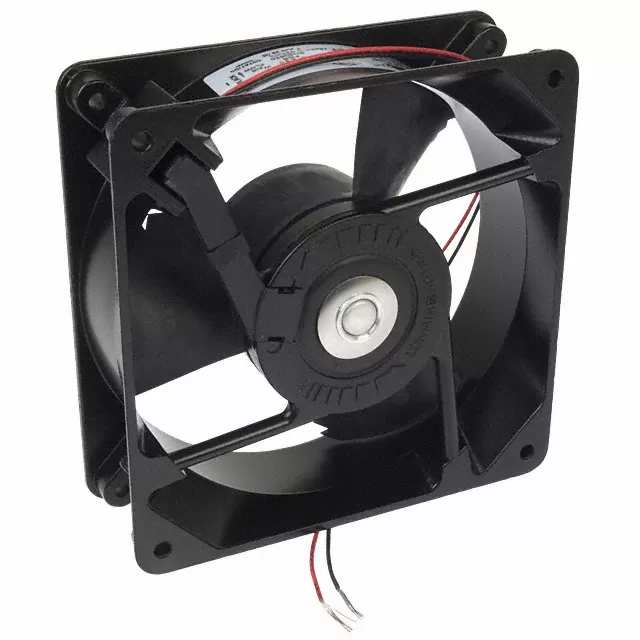
- Dimensions: This refers to the overall external measurements of the fan housing or frame. For standard equipment fans, this is written in a Length x Width x Depth format (e.g.,
120 x 120 x 38 mm). - Impeller Size: This strictly refers to the diameter of the rotating fan blades. For industrial fans where the housing shape varies (like wall rings or basket grilles), the impeller size is the primary identifier.
2. Axial Fan Sizes: From Compact to Extra-Large
Axial fans are manufactured in a wide range of standard dimensions to fit common enclosures, server racks, and industrial environments. Leading manufacturers, such as ebmpapst, strictly adhere to these standardized form factors. Here is the breakdown by category:
Small Axial Fans (Compact)
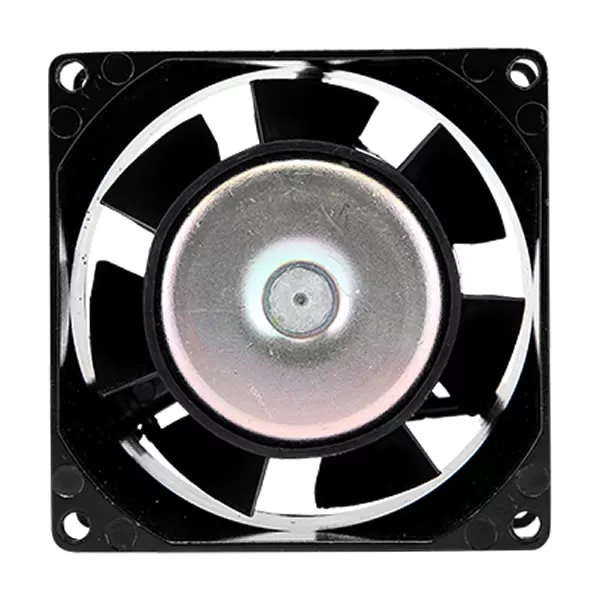
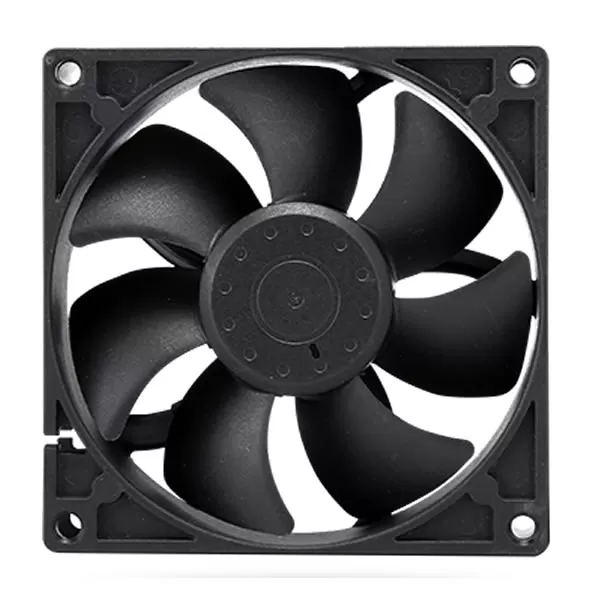
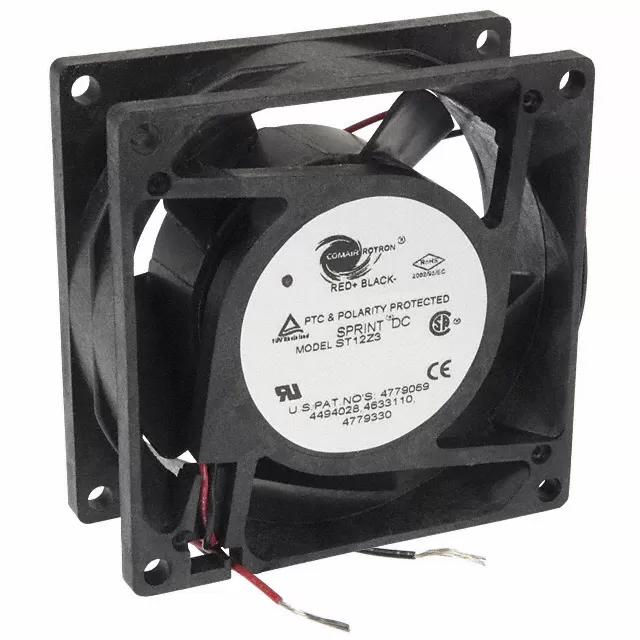
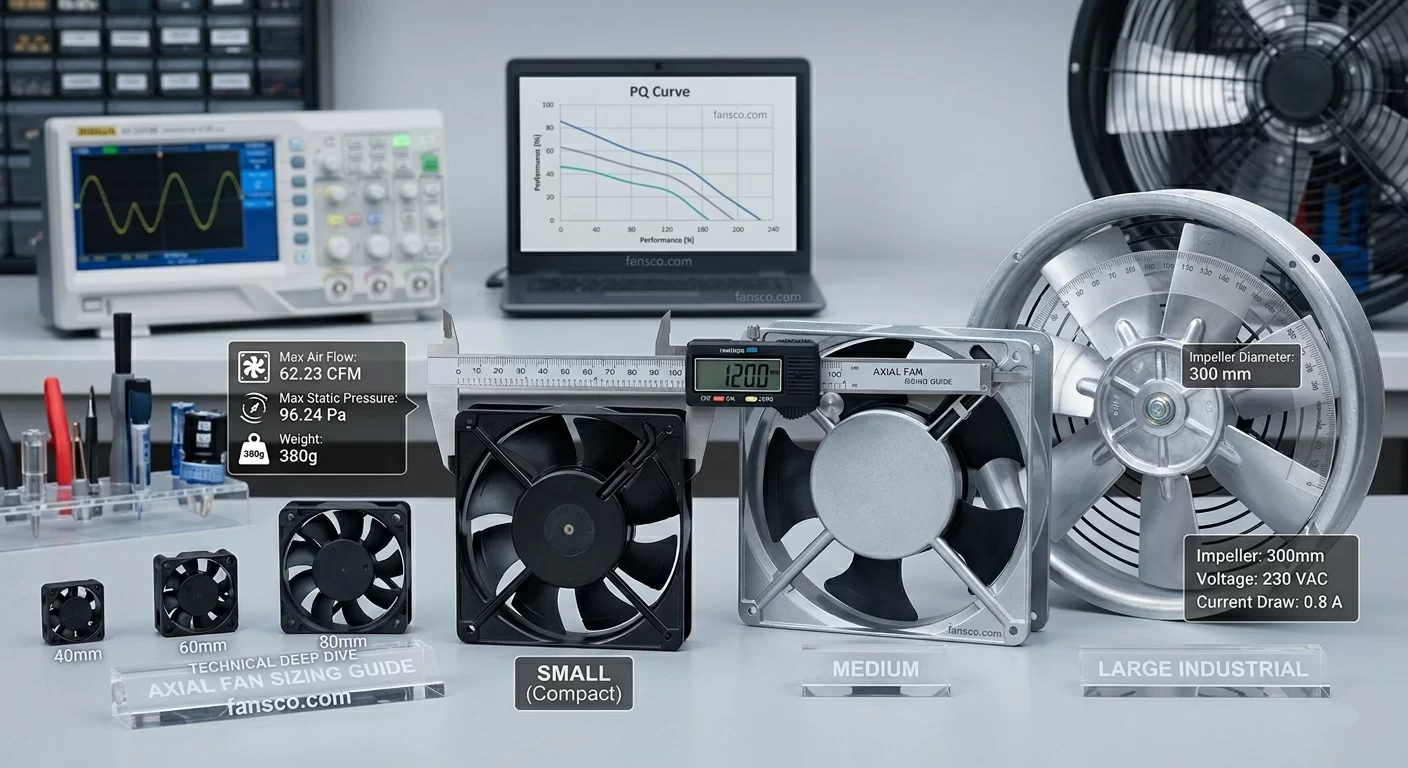
- Dimensions / Impeller Size: 25 mm up to 80 mm
- Standard Depths: 10 mm, 15 mm, 20 mm, 25 mm, 38 mm
- Typical Use: Electronics cooling, telecom equipment, routers, PCs, and compact switching power supplies. Standard sizes like
40 x 40 x 28 mmor60 x 60 x 25 mmare extremely common here.
Medium Axial Fans
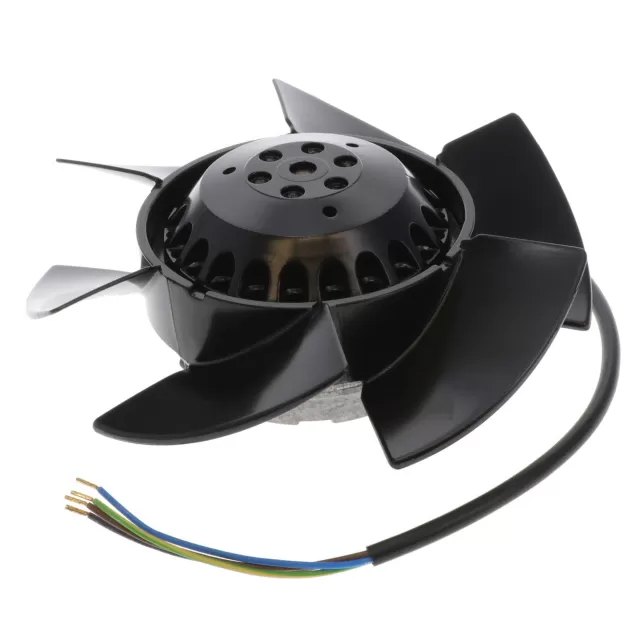
- Dimensions / Impeller Size: 92 mm up to 200 mm
- Standard Depths: 25 mm, 38 mm, 50 mm, 51 mm
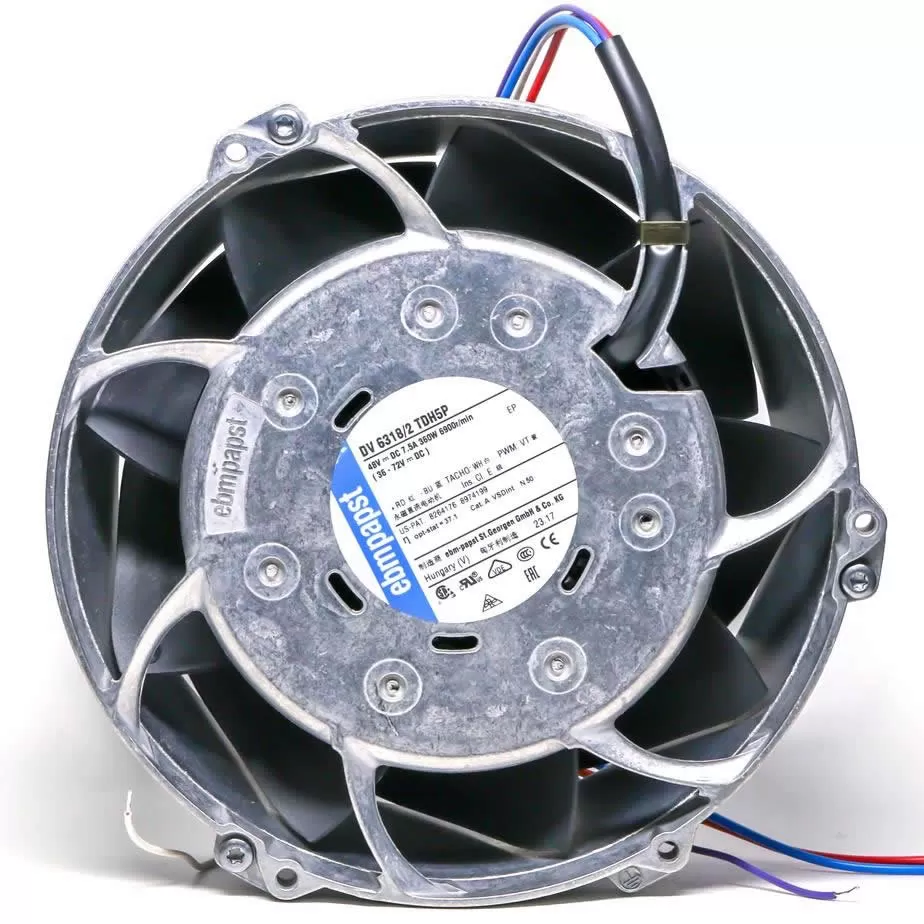
- Typical Use: Server racks, industrial frequency converters, VFDs, and smaller HVAC components. The
120 x 120 x 38 mmand172 x 150 x 51 mmsizes are the workhorses of this category.
Large Industrial Axial Fans
- Impeller Size: 250 mm to 1200 mm
- Standard Depths: 50 mm to 200 mm or more (highly dependent on the housing style)
- Typical Use: Heavy-duty ventilation in factories, tunnel exhaust systems, commercial refrigeration evaporators, and large HVAC installations.
Extra-Large / Custom Axial Fans
- Impeller Size: 1.2 m to 3.0 m or larger
- Typical Use: Industrial cooling towers, heavy exhaust systems, and wind tunnels. These are often custom-engineered for specific high-volume air movement requirements.
3. How Size Impacts Technical Performance
You cannot look at a fan’s size without looking at its hard metrics. Larger impeller sizes and deeper housing dimensions allow a fan to displace more air and push through higher system backpressure. When matching a fan size to your system, you must review the aerodynamic specifications.
For example, a high-performance standard axial fan might yield the following precise parameters:
- Max. Air Flow: 62.23 CFM (105.7 m³/h / 1.76 m³/min)
- Max. Static Pressure: 9.81 mmH₂O (96.24 Pa / 0.39 inAq)
4. Electrical and Physical Specifications to Verify
Once you have the dimensions and impeller size locked down, verify that the fan matches the electrical and structural constraints of your project. Always check the following:
- Operating Voltage: Ensure the fan aligns with your system power. AC fans generally run on
115 VACor230 VAC, while DC fans have specific operating windows, such as14.0 - 27.6 VDCor36.0 - 72.0 VDC. - Max. Power Consumption & Max. Current Draw: Essential data for properly sizing your power supplies and safety circuits.
- Weight: A critical factor for the structural integrity of the mounting panel, especially in mobile or high-vibration environments.
Application
Axial fans are utilized to efficiently move high volumes of air at low to medium static pressures for direct heat dissipation, finding widespread integration across IT server racks, telecommunications cabinets, industrial frequency converters, commercial refrigeration evaporators, HVAC cooling towers, and agricultural ventilation systems to extract waste heat and maintain optimal operating temperatures.