ebmpapst Part Number Guide: Decode Fan Nomenclature

News


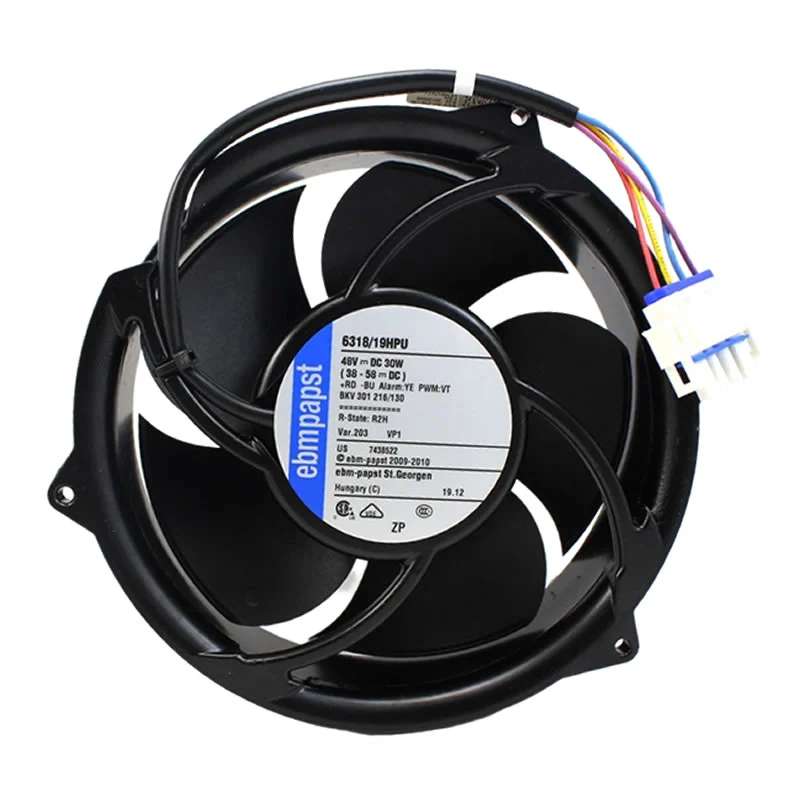
The Ericsson BKV301 216/130 fan is an industrial-grade cooling component designed for communication equipment, primarily used in base station cabinets, core network devices, and other critical systems. It supports 7×24 continuous operation and is engineered to meet the following core requirements: Continue reading Technical Specification for Ericsson BKV301 216/130 Fan

In modern telecommunications infrastructure, particularly in Ericsson’s advanced base stations and network equipment, continuous and efficient cooling is vital for ensuring stable operation and extending service life. As equipment power density continues to increase, the demands placed on cooling components become ever more stringent. In this context, fans conforming to the “BKV301 216/130” specification play a critical role. However, “BKV301 216/130” does not refer to a single specific product model, but rather a set of technical requirements defined by Ericsson for its high-performance cooling needs. Several top-tier fan manufacturers globally are capable of supplying fans that meet these requirements. Among the most recognized and widely used are specific models from Delta, NIDEC, and ebm-papst. Continue reading Analysis of the BKV301 216/130 Specification Fans in Ericsson Equipment

When an inverter fan is not working, it can lead to a series of problems that affect the normal operation and service life of the inverter. The specific impacts are as follows: Continue reading What happens when inverter fan is not working?

An inverter fan is crucial for preventing overheating, which can lead to damage and system faults. If your inverter fan isn’t working, here are the most common reasons and what you can do: Continue reading Why is my inverter fan not working?

A power supply cooling fan is a small, dedicated fan (typically DC-powered) built into—or mounted onto—a power supply unit (PSU) to remove heat generated during its operation. Since power supplies convert and regulate electrical energy (e.g., AC→DC conversion, voltage regulation, and filtering), they naturally produce heat. Without adequate airflow, internal temperatures can rise, leading to reduced efficiency, increased electrical noise, and ultimately shortened component life or failure. Continue reading What is power supply cooling fan?
The service life of an axial fan varies significantly based on design, quality, operating conditions, and maintenance. Below is a detailed technical breakdown of factors influencing its longevity, formatted to meet professional engineering standards: Continue reading What is the lifespan of an axial fan?

Whether a 12V DC fan can be used in extreme temperature environments depends on its design, construction, and the specific temperature range it needs to withstand. Here’s a detailed analysis of key factors and considerations: Continue reading Can a 12V DC fan be used in extreme temperature environments?

The advantages of using a 12V DC fan are closely tied to its compatibility, efficiency, and safety across diverse applications. Here’s a detailed breakdown of its key benefits: Continue reading What are the advantages of using a DC fan with a 12V operating voltage?

The operating voltage of a DC fan varies based on its application and design. Here are the common operating voltages for DC fans, including the notable 48V category, along with their typical use cases: Continue reading What is the operating voltage of DC fan?