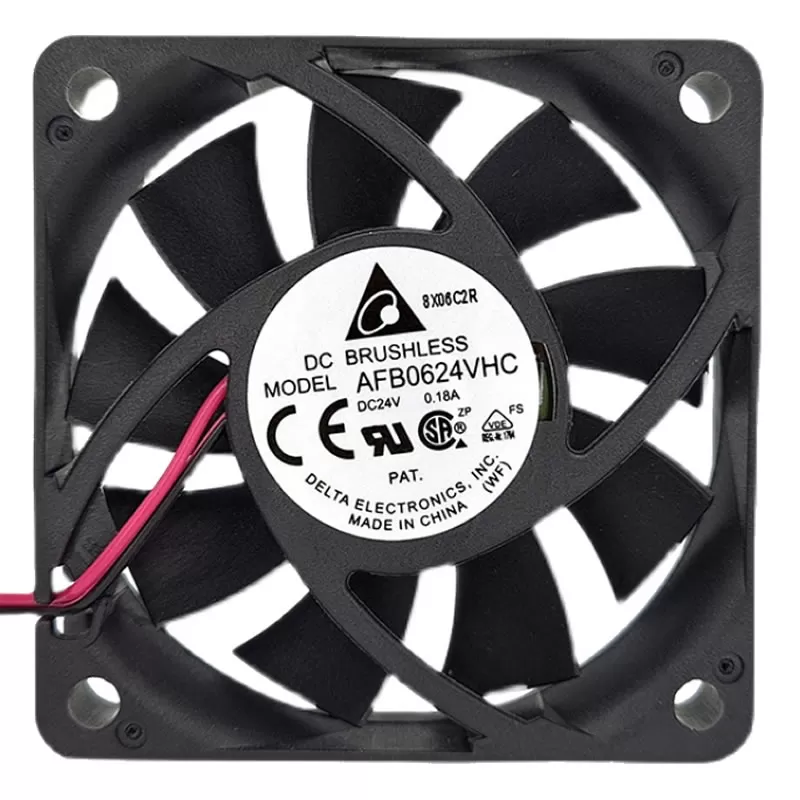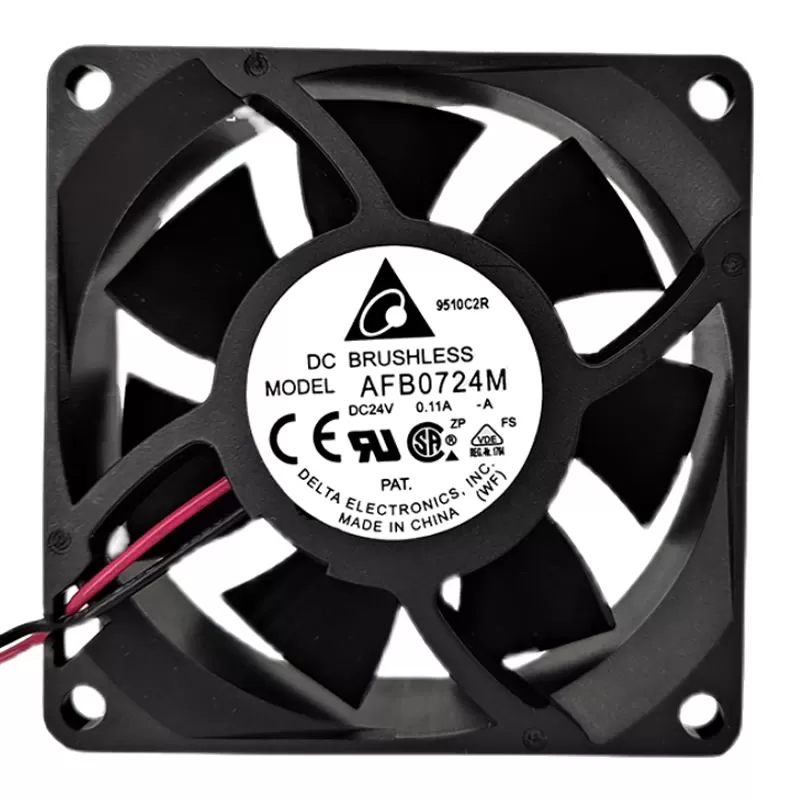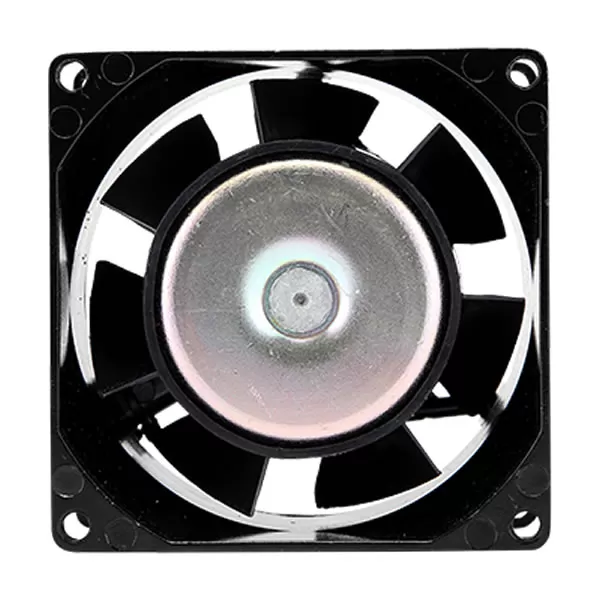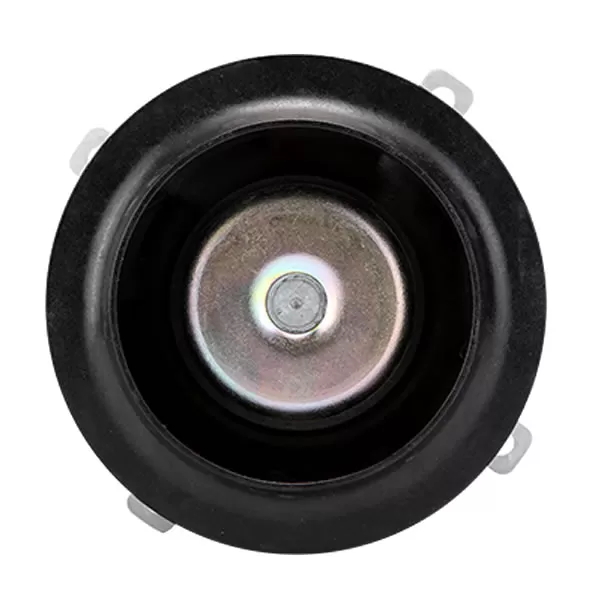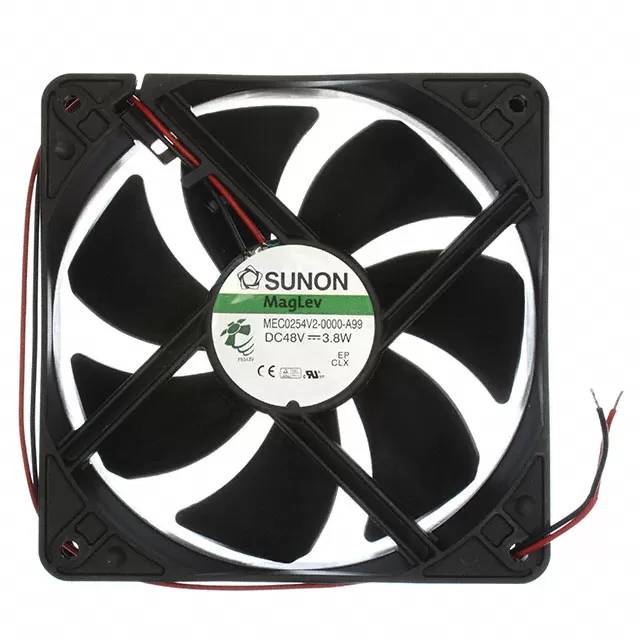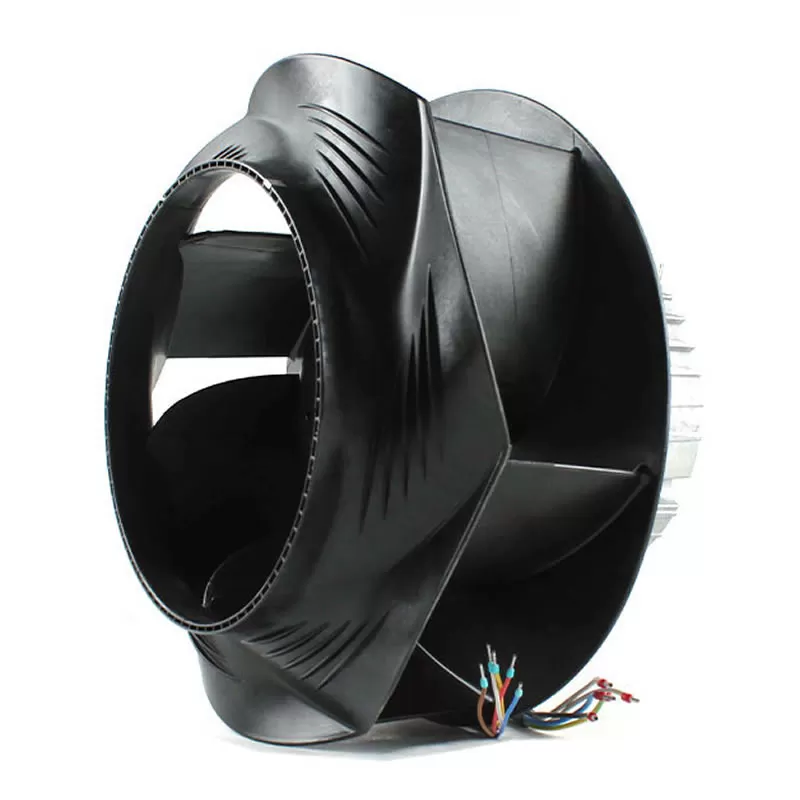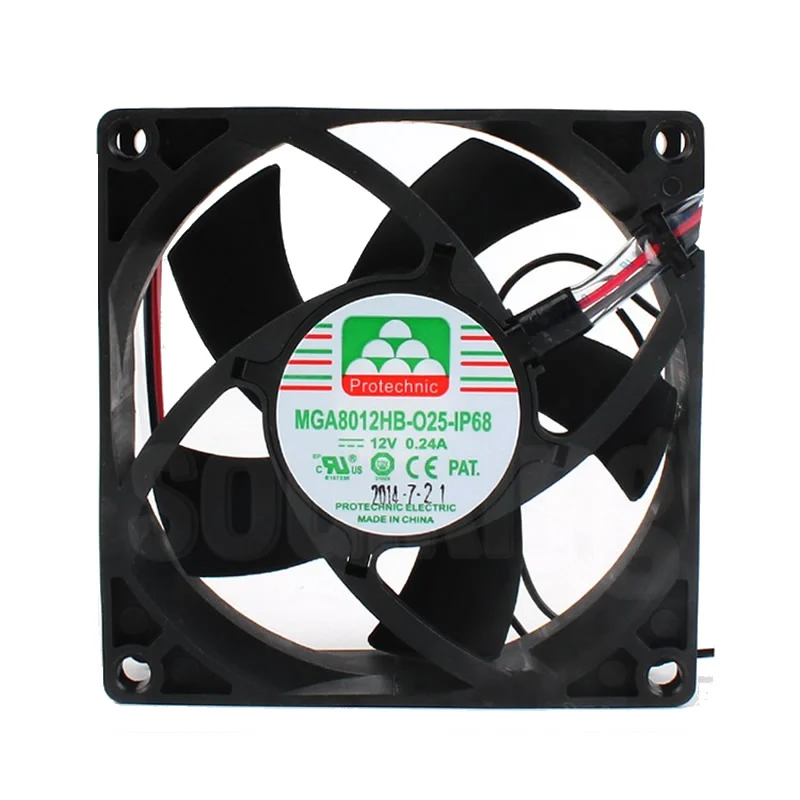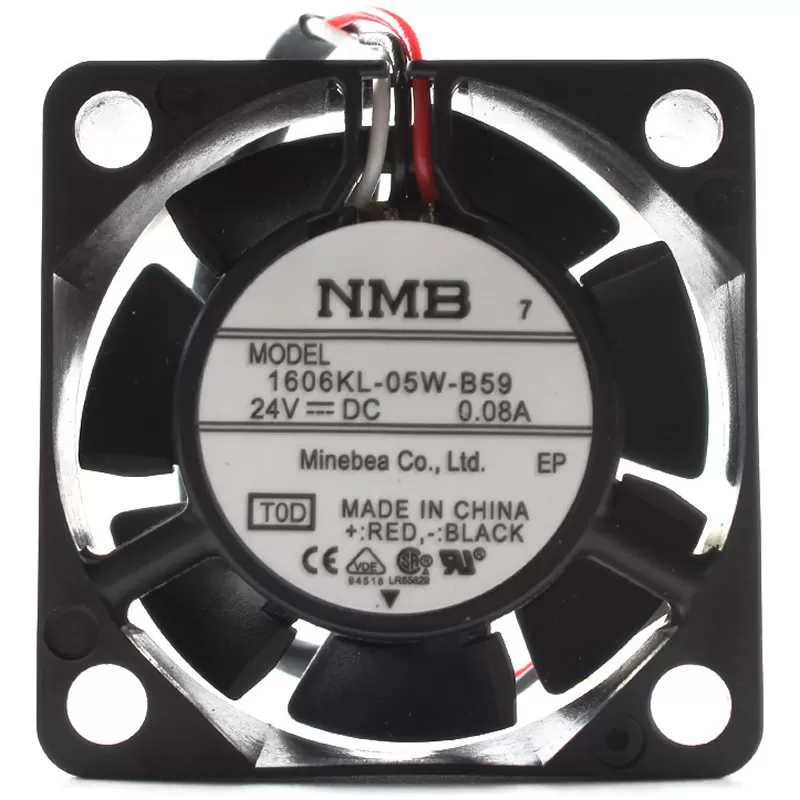
In the complex landscape of thermal management and air distribution, the axial flow fan remains a cornerstone technology. While its operating principle may seem straightforward, the engineering nuances behind blade geometry, pressure characteristics, and motor integration are what define a high-performance HVAC system. For engineers and facility managers, selecting the right axial fan is not just about moving air—it is about optimizing energy efficiency and system longevity.
The Fundamental Aerodynamics of Axial Flow
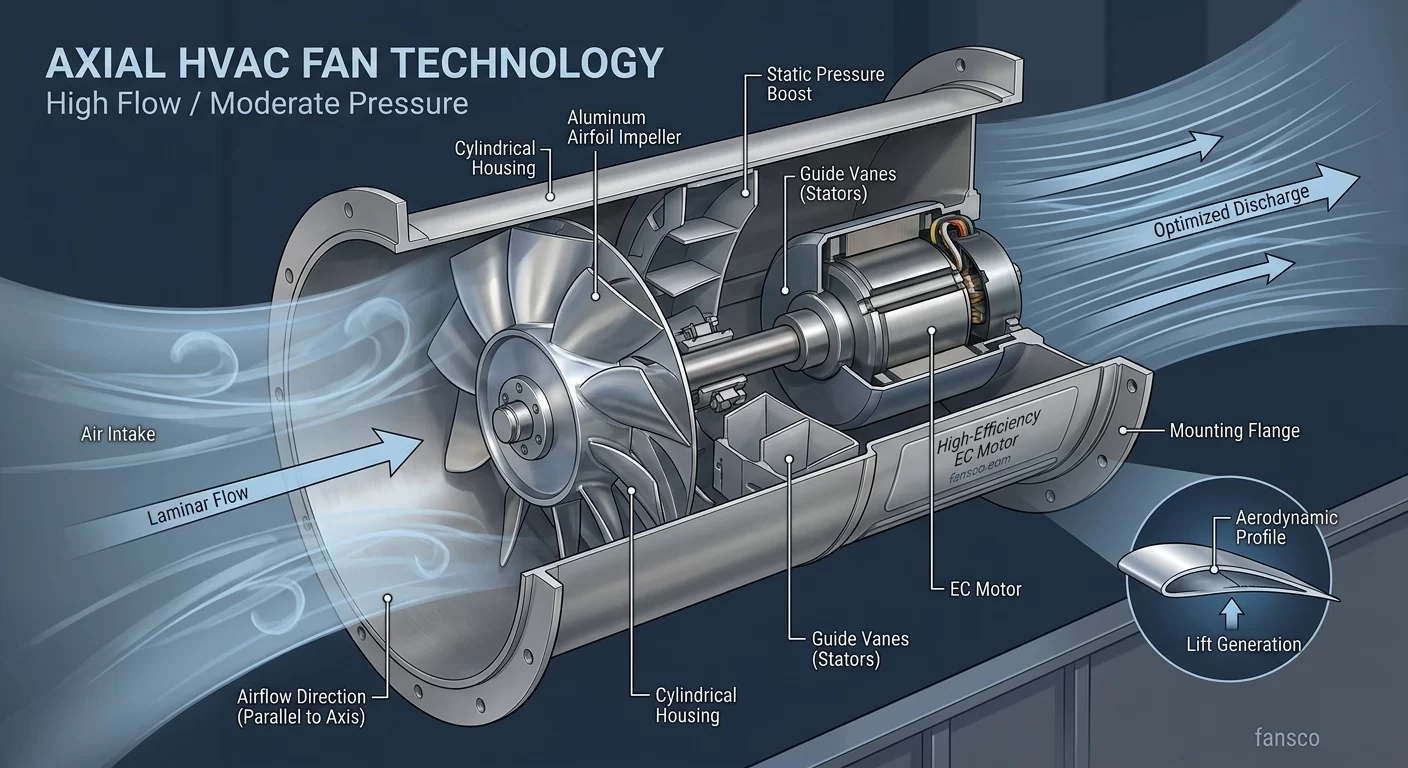
An axial fan moves air or gas along its axis of rotation. The impeller blades act similarly to an aircraft wing, creating a pressure difference that generates “lift” in the form of linear airflow. Unlike centrifugal blowers that redirect air at a 90-degree angle, axial fans maintain a straight-through flow path, which inherently minimizes the installation footprint in inline ducting.
The performance of an axial fan is governed by its Blade Pitch Angle and Profile. Modern high-efficiency fans, such as those provided by Fansco, utilize airfoil-shaped blades that minimize turbulence and “tip vortex” losses, ensuring a laminar flow that maximizes the Coefficient of Performance (CoP).
Technical Classifications: Beyond the Basic Propeller
In professional HVAC applications, axial fans are categorized based on their structural configuration and static pressure capabilities. Understanding these distinctions is critical for proper system specification:
1. Propeller Fans (Low Pressure, High Volume)
These are the most common axial fans, typically used in “free air” conditions where resistance is minimal. They are ideal for wall-mounted exhaust applications or heat exchangers. However, they possess a relatively “flat” pressure curve, meaning their efficiency drops significantly when facing duct resistance.
2. Tubeaxial Fans
By enclosing the impeller within a cylindrical housing, the tubeaxial fan reduces tip leakage and improves discharge velocity. This design allows for moderate static pressure, making it suitable for short-run ducting and industrial fume exhaust.
3. Vaneaxial Fans (The Industrial Gold Standard)
Vaneaxial fans feature stationary guide vanes (stators) located behind the impeller. These vanes convert the rotational energy (swirl) of the air into useful static pressure. In high-performance HVAC environments, vaneaxial fans can rival centrifugal fans in pressure delivery while maintaining a much higher mechanical efficiency.
Key Performance Metrics and “The Stall Region”
When reviewing a fan’s P-Q Curve (Pressure vs. Flow), professional engineers must look for the “Saddle Point” or the stall region. Axial fans are susceptible to aerodynamic stall if operated at a pressure higher than their design limit. A well-engineered system ensures the operating point remains in the stable, high-efficiency zone of the curve to prevent vibration, increased noise, and premature motor failure.
Material Science and Environmental Compliance
In the current global regulatory climate, compliance with ErP (Energy-related Products) directives and AMCA 210 testing standards is non-negotiable. At Fansco, we focus on materials that balance structural integrity with weight reduction:
- Cast Aluminum Impellers: Offer superior balance and spark resistance for hazardous environments.
- Glass-Reinforced Polypropylene (GRP): Provides chemical resistance and reduced rotational inertia for fast-response HVAC systems.
- Protective Coatings: C5-M high-durability coatings for maritime or high-salinity coastal installations.
The Shift to EC Technology: The Future of Axial Fans
The integration of Electronically Commutated (EC) Motors has revolutionized axial fan performance. Unlike traditional AC motors, EC motors utilize integrated electronics to maintain high efficiency even at partial loads. This technology allows for seamless 0-10V dimming and Modbus communication, enabling “Smart HVAC” configurations that significantly reduce the carbon footprint of commercial buildings.
Why Axial Fans are Indispensable in Modern HVAC
- Compact Form Factor: The linear flow allows for easy “Plug and Play” installation within cylindrical ducting.
- High Specific Speed: Ideal for applications requiring large air volumes (CFM/m³/h) at low to medium static pressures.
- Reversibility: Many axial designs allow for 100% reversible airflow, a critical feature for emergency smoke spill systems and tunnel ventilation.
Conclusion: Selecting Your Solution with FansCo
An axial fan is more than just a rotating component; it is a precisely engineered instrument designed to optimize indoor air quality and thermal comfort. Whether you are specifying fans for a data center, a commercial parking garage, or a large-scale industrial condenser, understanding the aerodynamic limits and technical advantages of axial flow is paramount.
Are you looking for a high-efficiency air-moving solution? Explore the FansCo range of industrial axial fans or consult with our engineering team to find the perfect match for your system’s static pressure requirements.