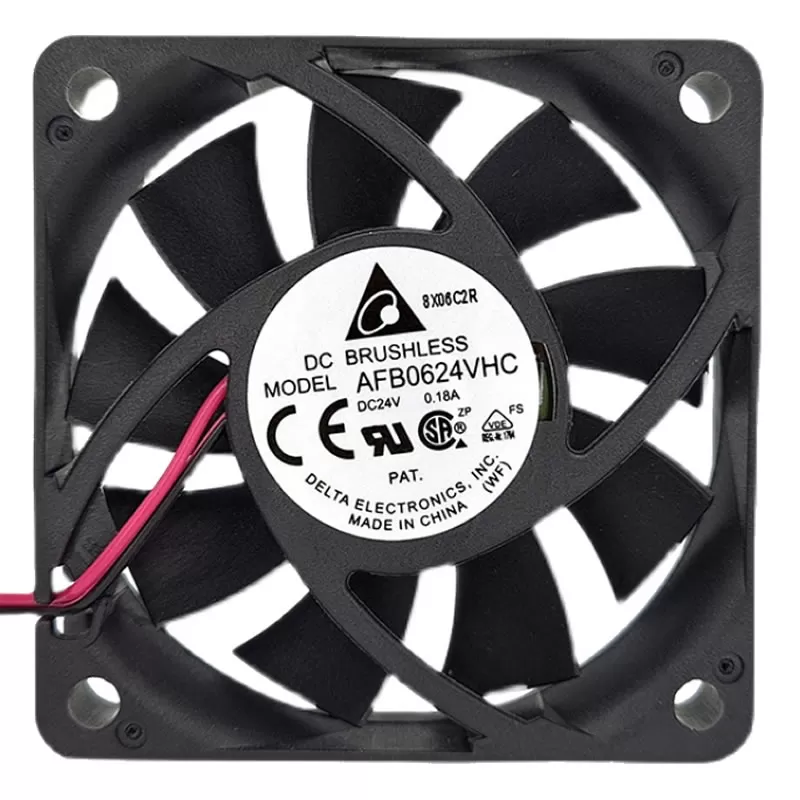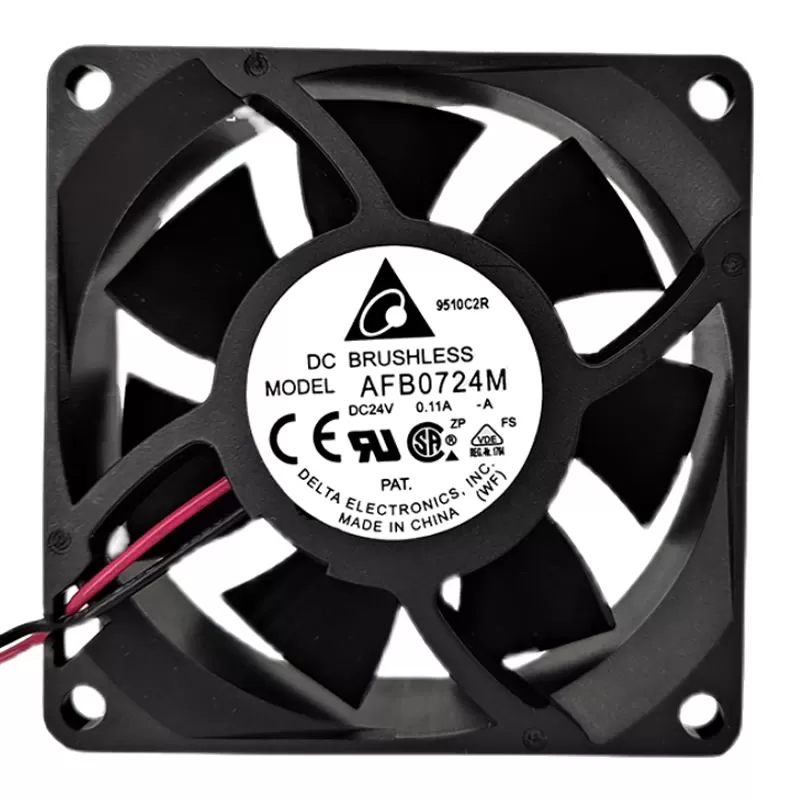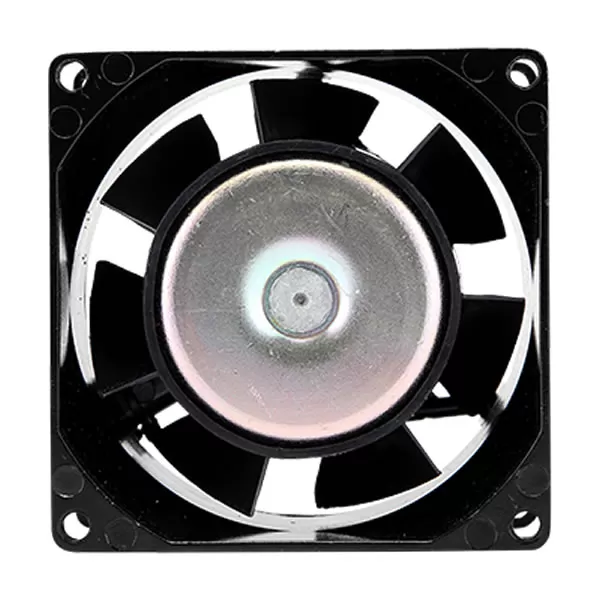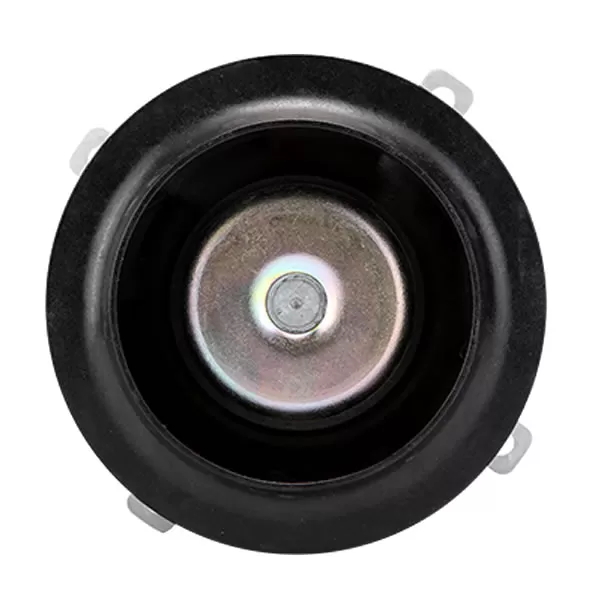
In the industrial landscape, selecting the right air-moving equipment is not merely a matter of “moving air”—it is about optimizing energy consumption, managing thermal loads, and ensuring process safety. The axial fan is the cornerstone of these operations. But to truly answer “what is the purpose of an axial fan,” one must look beyond the surface level of cooling and explore the physics of high-flow, low-pressure air dynamics.
At Fansco, we recognize that understanding the nuances of axial flow is critical for engineers and facility managers. This guide explores the technical “why” behind axial fan implementation in modern industry.
1. The Physics of Axial Flow: Why It Matters
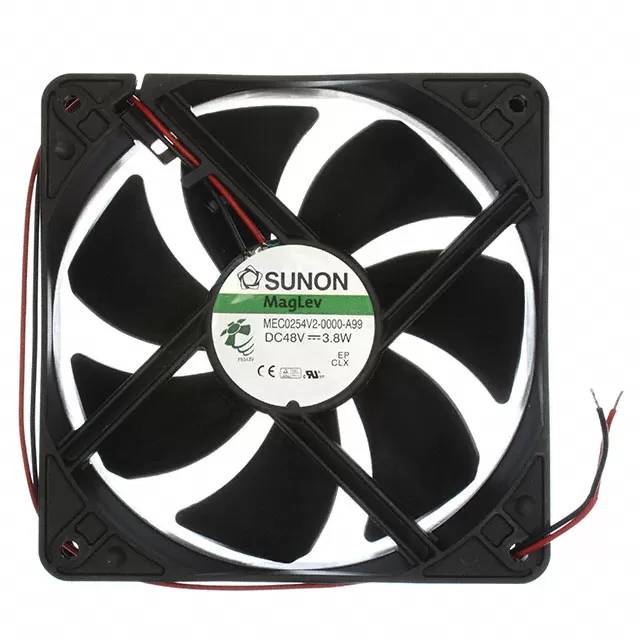
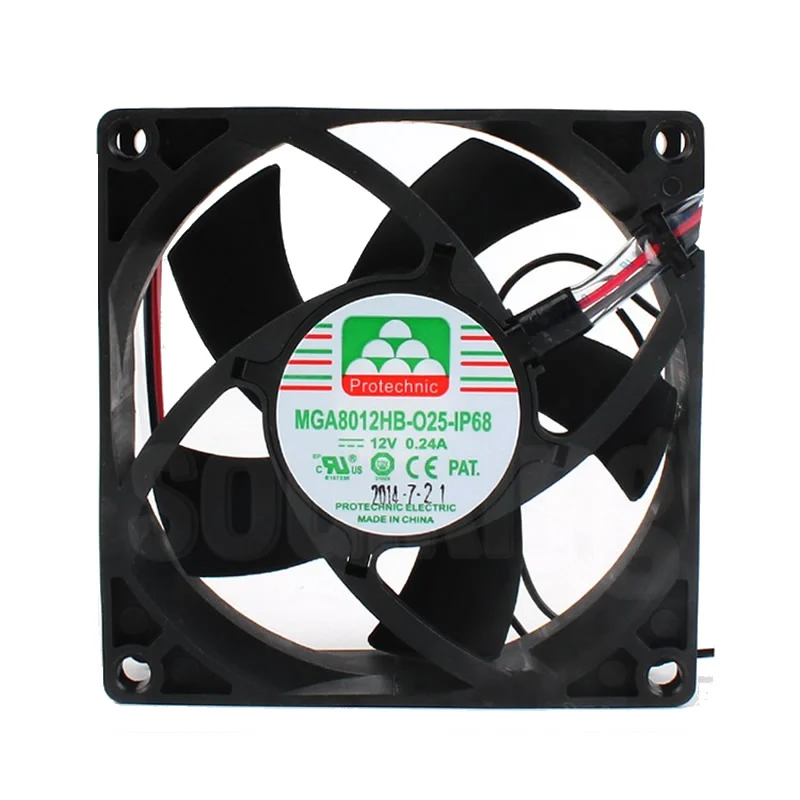
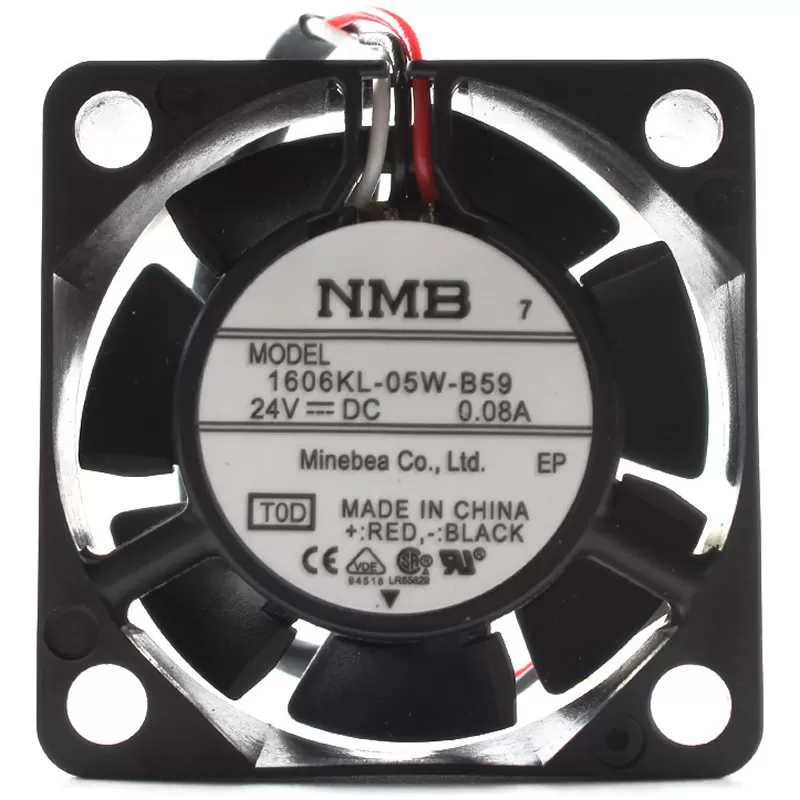
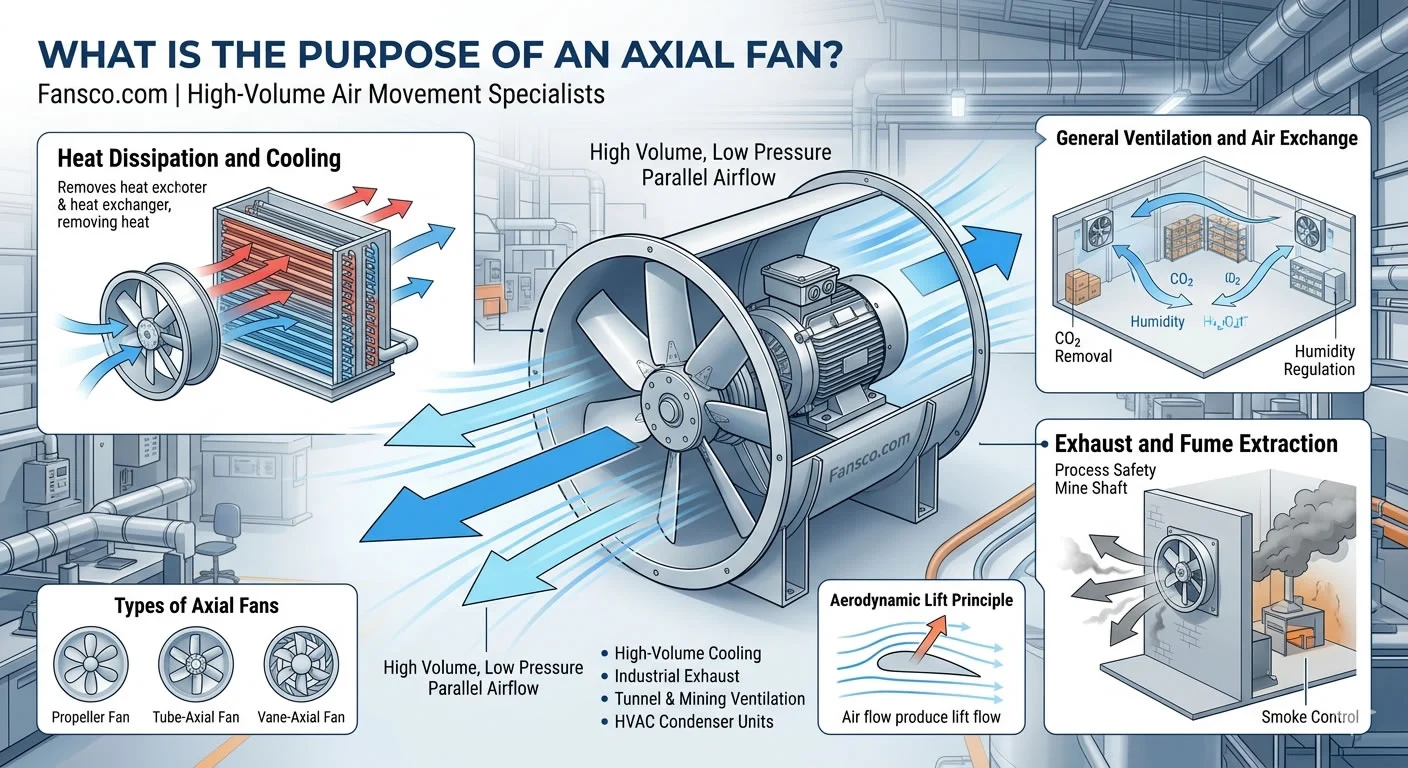
The primary purpose of an axial fan is to move a massive volume of air parallel to the shaft (the axis). Unlike centrifugal fans that rely on centrifugal force to create high pressure, axial fans utilize aerodynamic lift, much like an airplane wing.
- High Flow, Low Pressure: The fundamental design is optimized for high CFM (Cubic Feet per Minute) delivery against relatively low resistance (static pressure).
- Velocity Conversion: The blades convert mechanical energy into kinetic energy, creating a high-velocity stream that is ideal for large-scale air displacement.
2. Critical Purposes Across Specialized Industries
A. Thermal Management in Industrial Heat Exchangers
One of the most critical purposes of axial fans is in Air-Cooled Heat Exchangers (ACHE) and cooling towers. In power plants and chemical processing, heat must be rejected into the atmosphere. Axial fans are used to pull or push ambient air across finned tubes, facilitating the rapid transfer of heat from the process fluid to the air.
B. Tunnel and Mining Ventilation (Life Safety)
In underground mining and tunneling, the purpose of axial fans shifts from cooling to atmospheric safety. High-pressure “vane-axial” fans are used to:
- Dilute and remove toxic blasting gases and diesel particulate matter (DPM).
- Provide fresh oxygen to work faces miles from the surface.
- Ensure smoke extraction during emergency fire scenarios.
C. Marine and Offshore Environments
On ships and offshore oil rigs, space is at a premium. The compact “in-line” nature of axial fans allows them to be integrated directly into ductwork systems for engine room ventilation and moisture control, preventing the buildup of corrosive salt-laden air in sensitive compartments.
3. Understanding the Three Tiers of Axial Design
To understand the purpose, you must identify which type of axial fan fits the application. Not all axial fans are created equal:
| Fan Type | Technical Purpose | Typical Application |
|---|---|---|
| Propeller Fan | Moving air with zero to low static pressure. | Wall-mounted exhaust, attic ventilation. |
| Tube-Axial Fan | In-line duct mounting; housing reduces air leakage and improves discharge. | Drying ovens, paint booths, fume exhaust. |
| Vane-Axial Fan | Guide vanes straighten airflow, converting swirl into useful static pressure. | High-efficiency HVAC, industrial processing, ventilation with long duct runs. |
4. The “Stall Region”: A Professional Engineering Note
A deep understanding of axial fans requires acknowledging the stall point. The purpose of selecting a high-quality axial fan (like those found at Fansco) is to ensure the operating point stays to the right of the “stall” or “surge” region on the performance curve. In professional applications, operating in the stall region leads to aerodynamic instability, increased noise, and mechanical stress on the motor. Correct sizing is what separates a standard installation from a high-performance system.
5. Why Choose Axial Over Centrifugal?
When depth of analysis is required, we look at the Specific Speed of the application. Axial fans are chosen when:
- Compactness is Mandatory: The “straight-through” airflow allows for smaller footprints in mechanical rooms.
- Energy Efficiency at Low Pressure: For general air circulation, axial fans typically offer higher static efficiency than centrifugal alternatives moving the same volume.
- Adjustability: Many industrial axial fans feature adjustable pitch blades. This allows the fan’s performance to be “tuned” to the specific needs of the facility after installation—a level of versatility that centrifugal wheels cannot match.
Summary: Driving Efficiency Through Purpose
Whether it is the prevention of equipment downtime through precision cooling or protecting human life in confined spaces through ventilation, the purpose of the axial fan is foundational to modern engineering. By matching the specific type—propeller, tube, or vane-axial—to the system’s resistance requirements, industries can achieve maximum airflow with minimal energy expenditure.
For more technical specifications or to find the right axial solution for your project, explore our full range of industrial fans at Fansco.com.