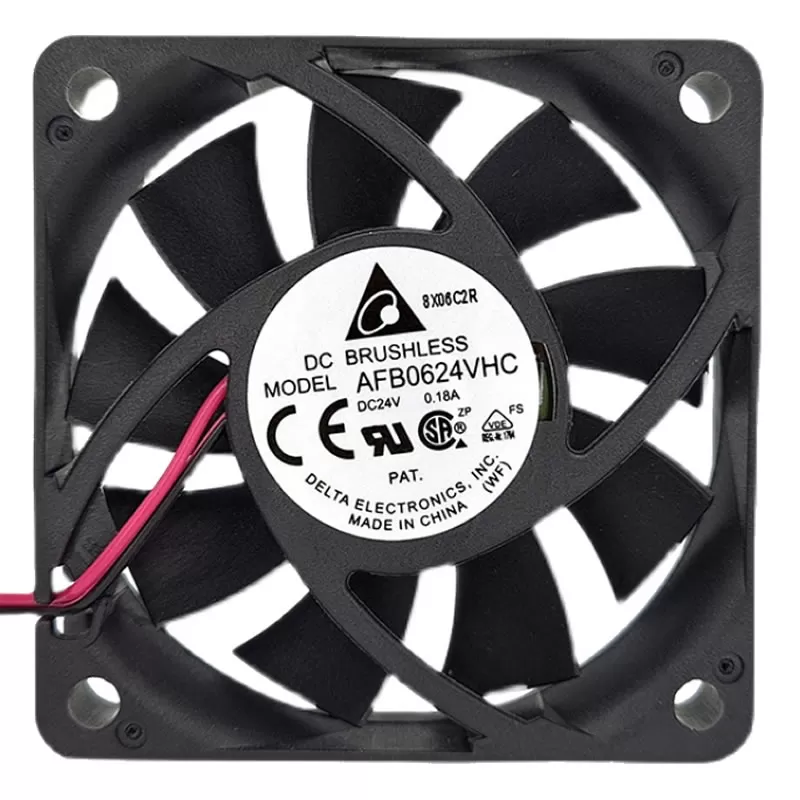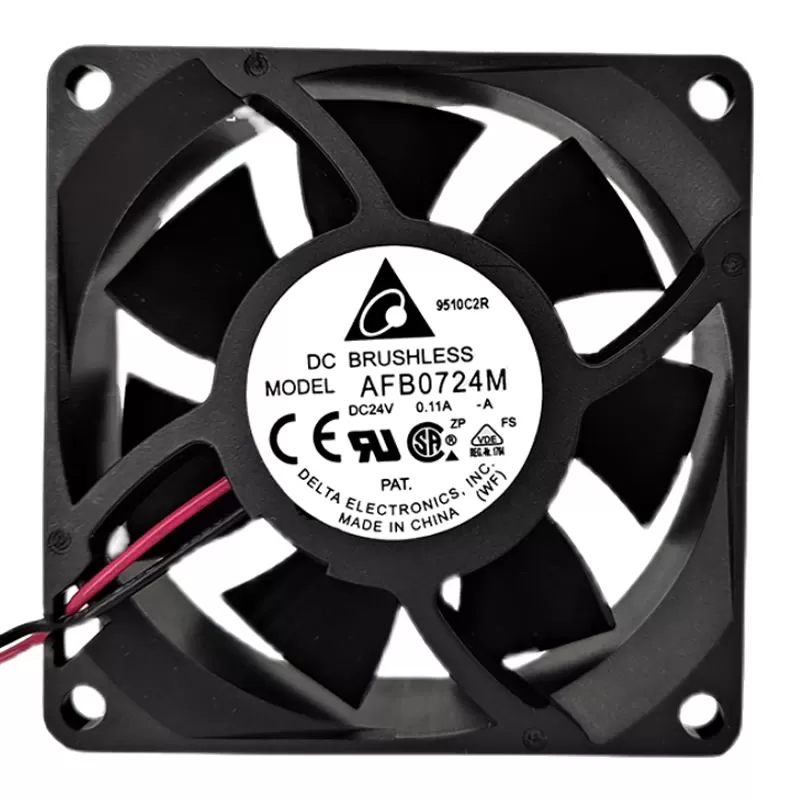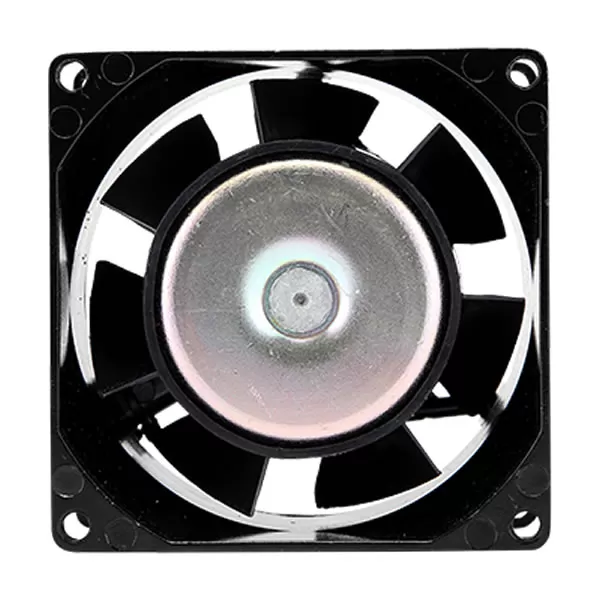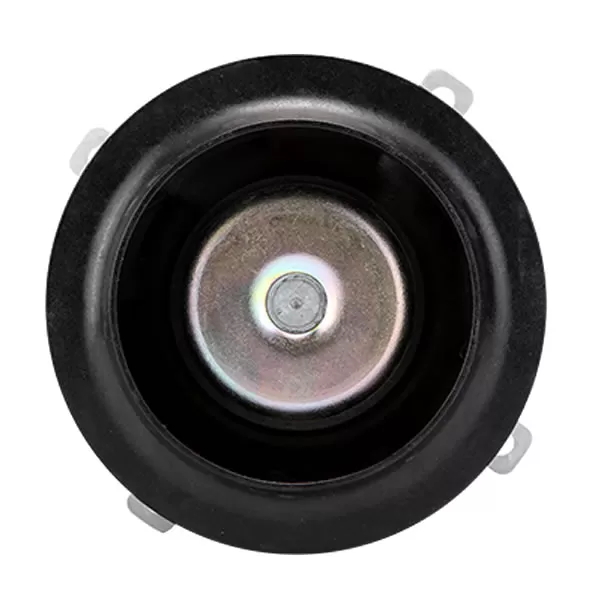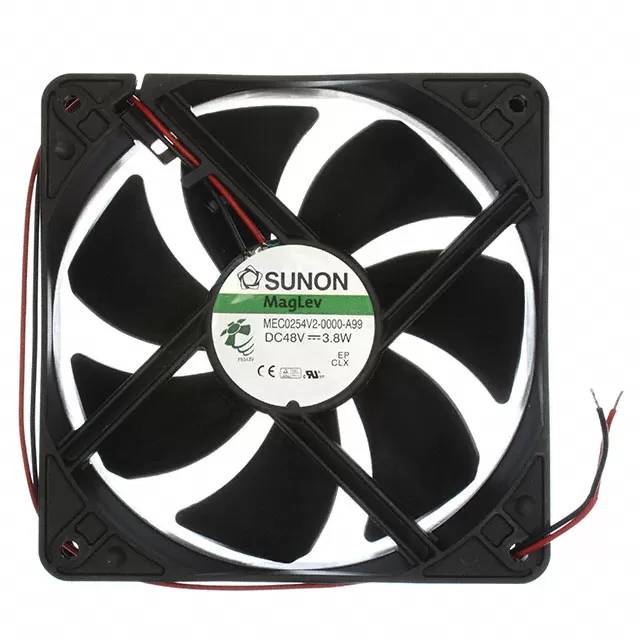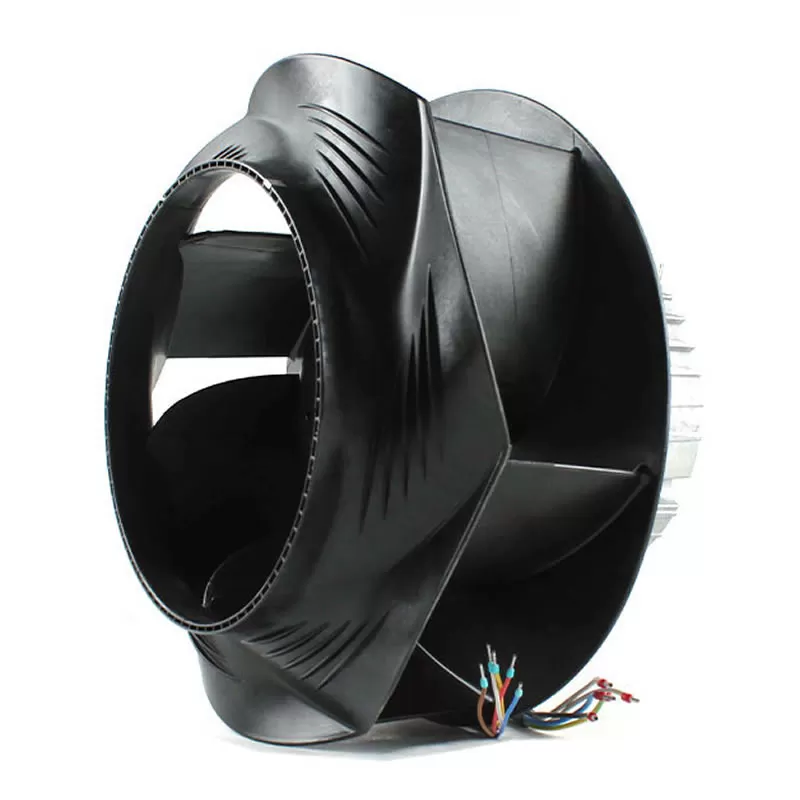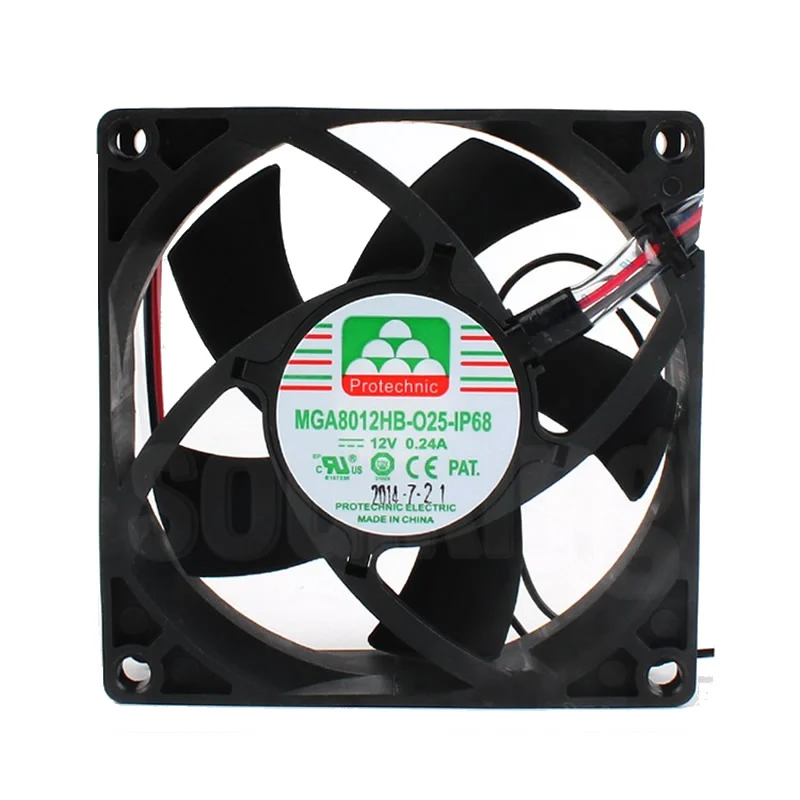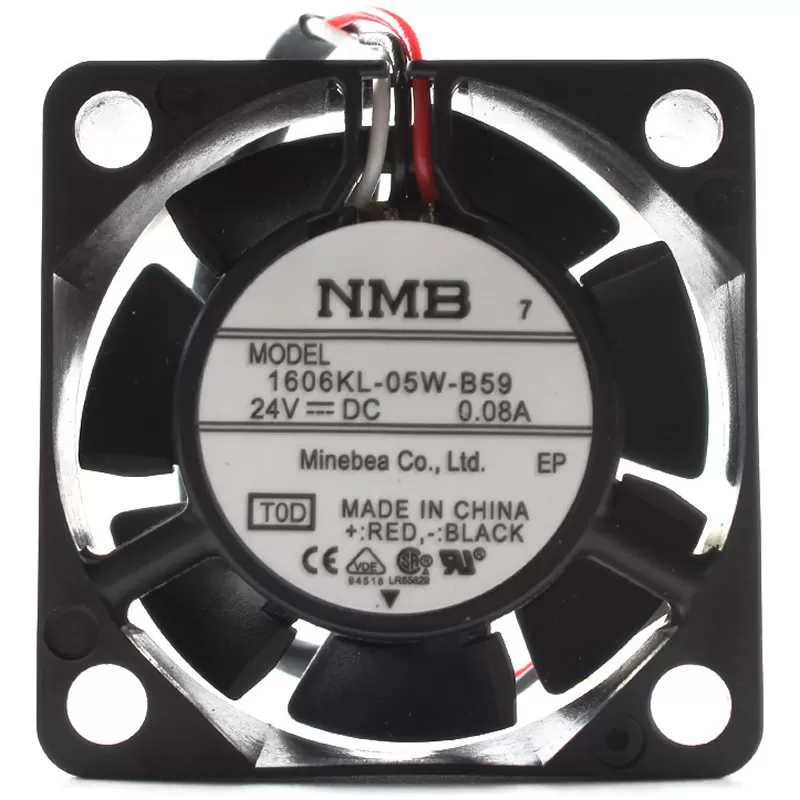
In industrial air moving applications, axial fans are the preferred choice for moving large volumes of air at relatively low pressures. However, “axial fan” is a broad term that encompasses three distinct mechanical designs. Understanding the nuances between Propeller, Tube Axial, and Vane Axial fans is critical for optimizing system efficiency, minimizing noise, and ensuring long-term reliability.
The primary differentiator among these three types is their internal geometry and the presence (or absence) of airflow-correcting components. Below, we dive into the technical specifics of each.
1. Propeller Fans: High-Volume Ventilation
The propeller fan is the simplest and most cost-effective axial design. It consists of a multi-blade impeller (usually stamped steel, aluminum, or reinforced plastic) rotating within a simple circular ring or a square mounting plate (orifice).
Technical Deep Dive:
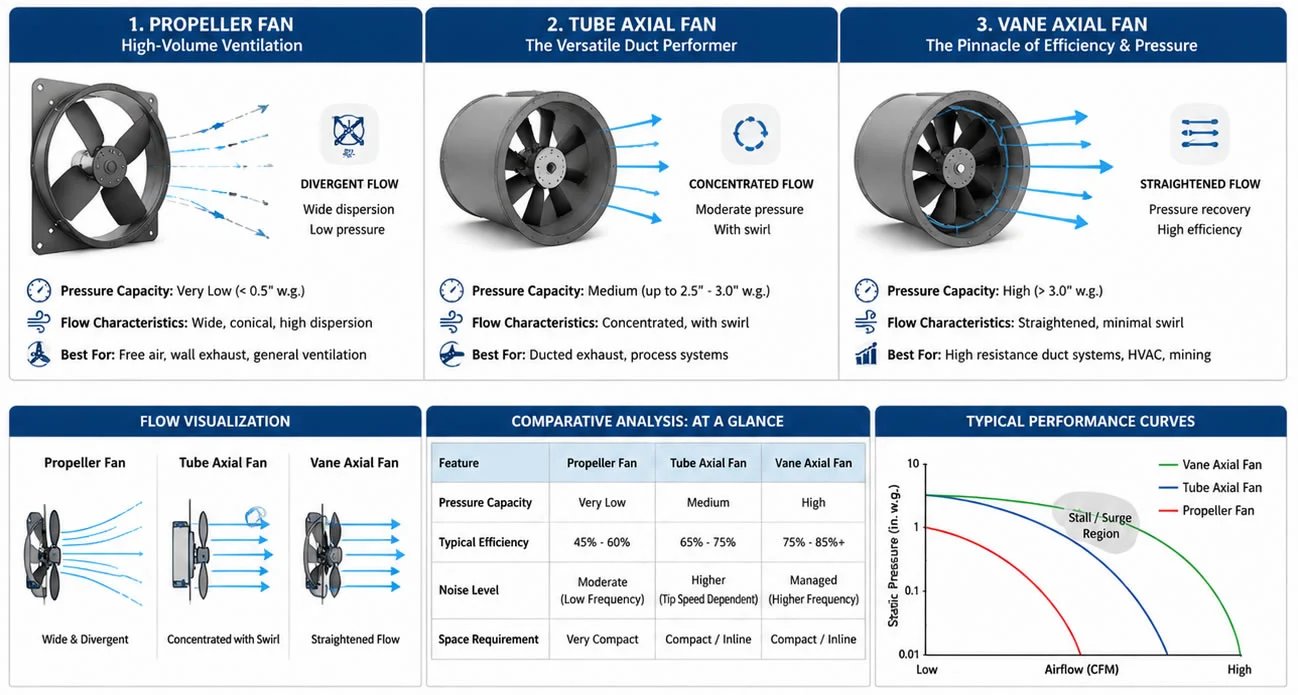
- Performance Profile: Designed for “free air” or extremely low static pressure (typically < 0.5″ w.g.). As resistance increases, the efficiency of a propeller fan drops more sharply than any other type.
- Flow Dynamics: Because there is no enclosure to guide the air, the discharge is highly divergent. Air spirals outward due to centrifugal force at the blade tips, creating a wide, conical airflow pattern.
- Blade Geometry: These fans often feature a small hub-to-tip ratio, which maximizes the intake area but limits the ability to generate pressure.
Industry Applications:
Propeller fans are the standard for general warehouse ventilation, greenhouse cooling, and radiator/condenser cooling. They are best suited for wall-mounted applications where air is moved directly from one large space to another without the obstruction of ductwork.
2. Tube Axial Fans: The Versatile Duct Performer
A Tube Axial fan is essentially a refined propeller fan housed within a heavy-duty cylindrical casing. This casing is designed with precise tip clearances to minimize “tip vortex” losses—a common efficiency killer in open propeller designs.
Technical Deep Dive:
- Pressure Enhancement: By containing the airflow within a tube, the fan can handle moderate static pressures (typically up to 2.5″ – 3.0″ w.g.). The housing forces the air to move in a more concentrated column.
- Construction Details: These fans often utilize cast aluminum blades with airfoil profiles. This allows for adjustable blade pitches in some high-end models, enabling fine-tuning of the performance curve to match specific system requirements.
- The Swirl Factor: While more efficient than a propeller fan, the air leaving a tube axial fan still possesses significant rotational velocity (swirl), which represents wasted kinetic energy if not managed.
Industry Applications:
Tube axial fans are widely used in industrial process exhaust, such as paint spray booths, fume removal systems, and drying ovens, where the air must be moved through a medium length of ducting.
3. Vane Axial Fans: The Pinnacle of Efficiency and Pressure
Vane axial fans are the most technologically advanced members of the axial family. They look similar to tube axial fans but incorporate integral guide vanes (either inlet or outlet, usually the latter) to straighten the airflow.
Technical Deep Dive:
- Aerodynamic Correction: The stationary guide vanes intercept the swirling air as it leaves the impeller. By “straightening” this spiral flow, the vanes convert rotational kinetic energy into useful static pressure. This process is known as pressure recovery.
- Efficiency Ratings: Vane axial fans boast the highest static efficiency of all axial designs, often exceeding 80-85%. This makes them competitive with high-end centrifugal fans while occupying a fraction of the footprint.
- The Stall Region: Engineers must be cautious when selecting vane axial fans. Their performance curves often feature a “stall” or “surge” region. Operating the fan in this high-resistance/low-flow zone can cause vibration and mechanical fatigue.
Industry Applications:
Vane axial fans are essential for high-pressure HVAC systems, mining ventilation, tunnel smoke extraction, and any application requiring precise airflow through extensive, high-resistance duct networks.
Comparative Analysis: At a Glance
| Feature | Propeller Fan | Tube Axial Fan | Vane Axial Fan |
|---|---|---|---|
| Pressure Capacity | Very Low | Medium | High |
| Typical Efficiency | 45% – 60% | 65% – 75% | 75% – 85%+ |
| Noise Level | Moderate (Low Frequency) | Higher (Tip Speed Dependent) | Managed (Higher Frequency) |
| Space Requirement | Very Compact | Compact / Inline | Compact / Inline |
Selection Criteria for Project Managers
When specifying a fan for your facility, consider the following three factors beyond just the CFM (Cubic Feet per Minute) requirements:
- System Resistance (Static Pressure): Calculated based on duct length, bends, and filters. If your pressure requirement exceeds 2″ w.g., a vane axial fan is likely the only efficient choice.
- Acoustic Requirements: Axial fans generally produce more high-frequency noise than centrifugal fans. Vane axial fans often require silencers (attenuators) in commercial HVAC settings.
- Drive Configuration:
- Direct Drive: Lower maintenance, higher efficiency, but fixed RPM.
- Belt Drive: Allows for speed adjustment via pulley changes, but increases mechanical complexity and energy loss.
Conclusion
Choosing between propeller, tube axial, and vane axial fans is a balance of initial capital expenditure (CAPEX) versus operational expenditure (OPEX). While a propeller fan is inexpensive for simple wall exhaust, the energy savings and pressure capabilities of a vane axial fan often provide a much faster ROI in complex industrial environments.
At Fansco, we leverage decades of aerodynamic engineering experience to help you select the precise fan configuration for your unique application. From anti-corrosive coatings to high-temperature motor specifications, we ensure your ventilation system performs at its peak.
Need a custom fan curve analysis? Get in touch with our technical sales team today.