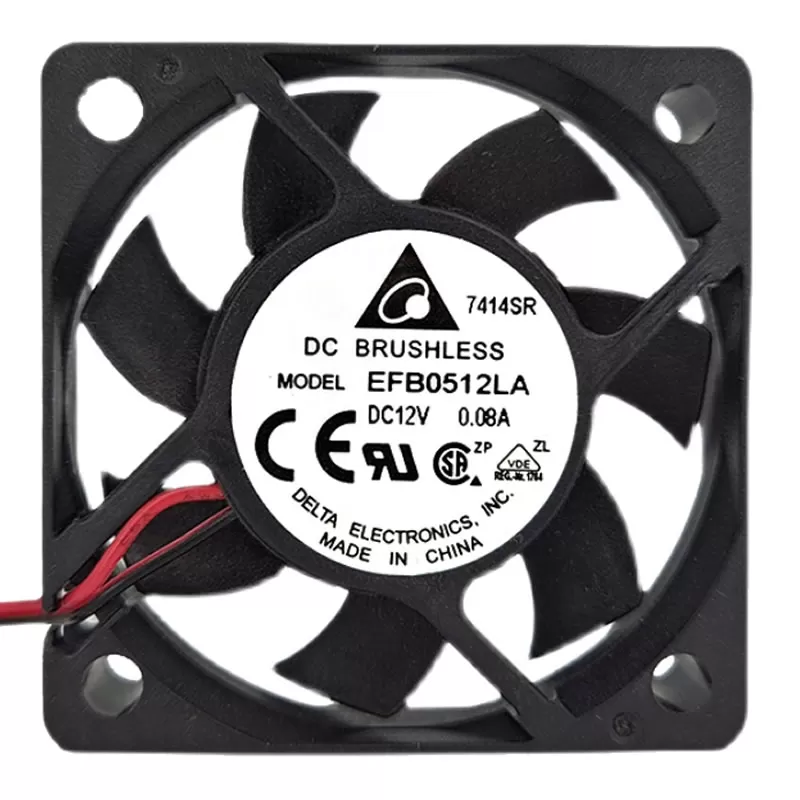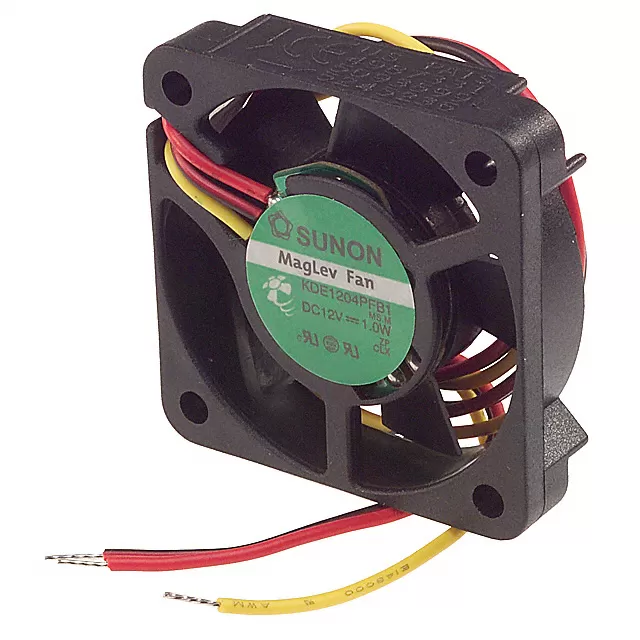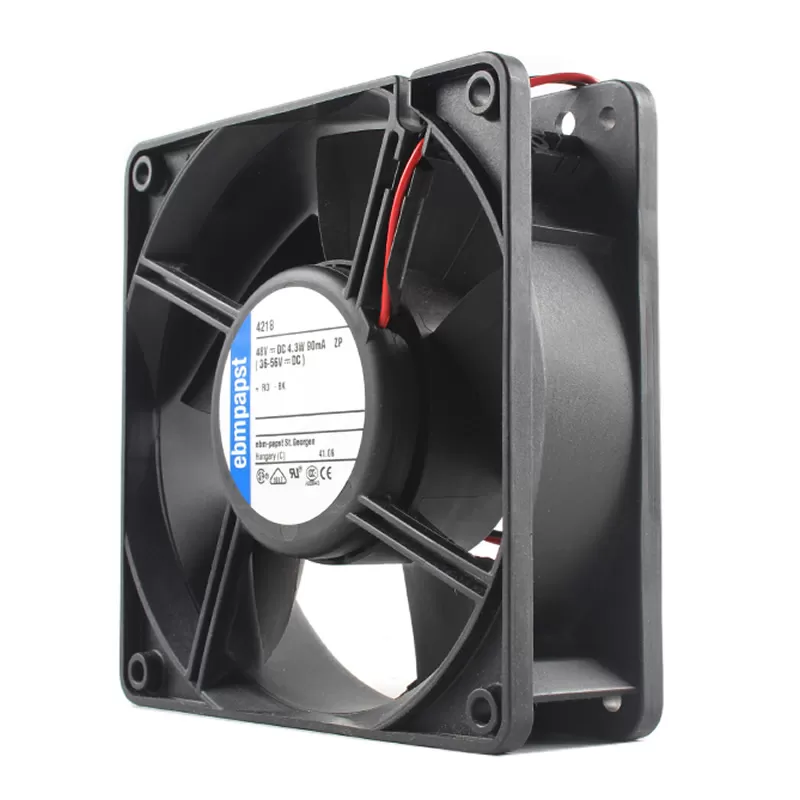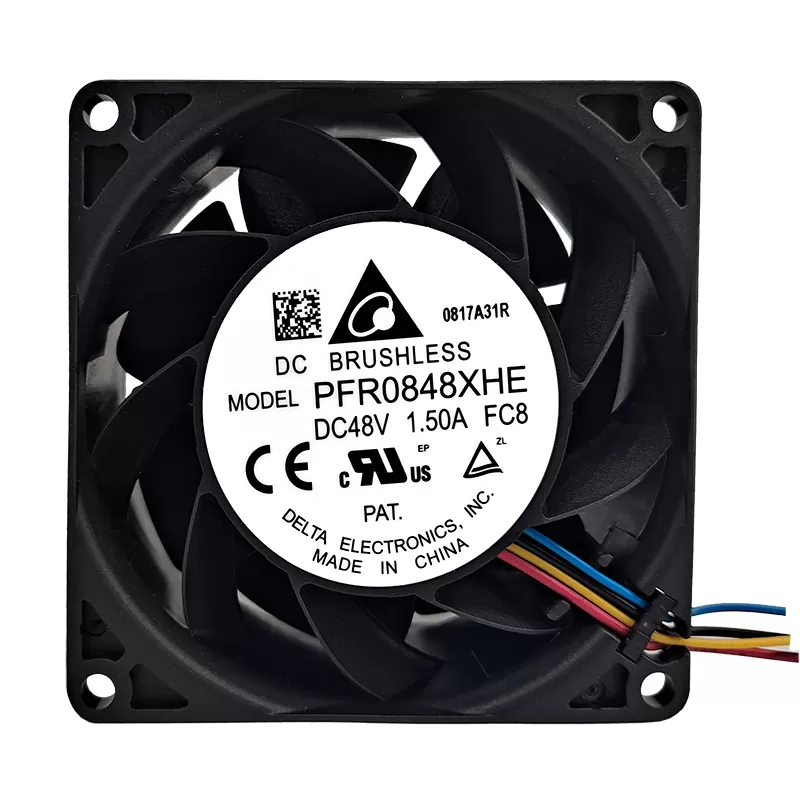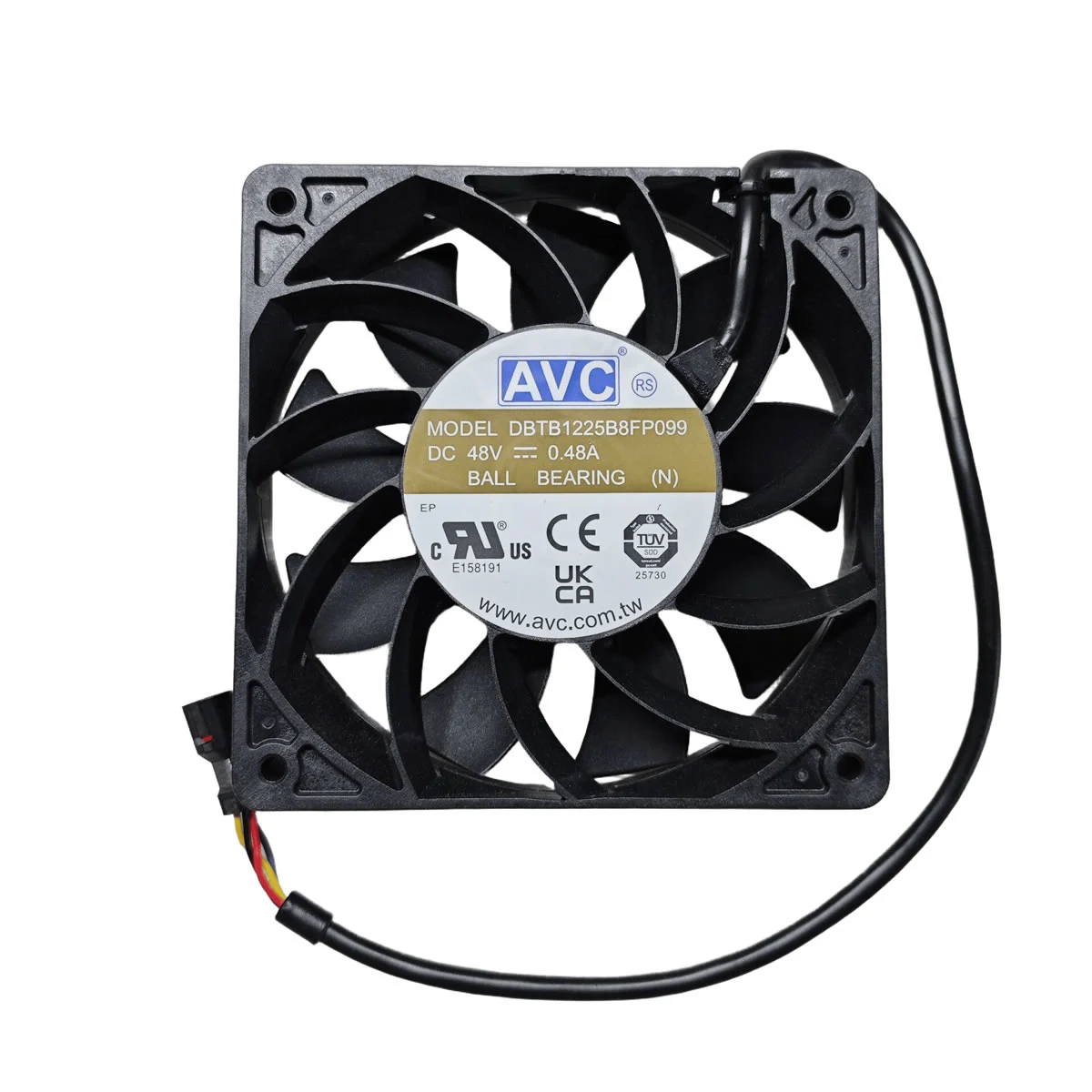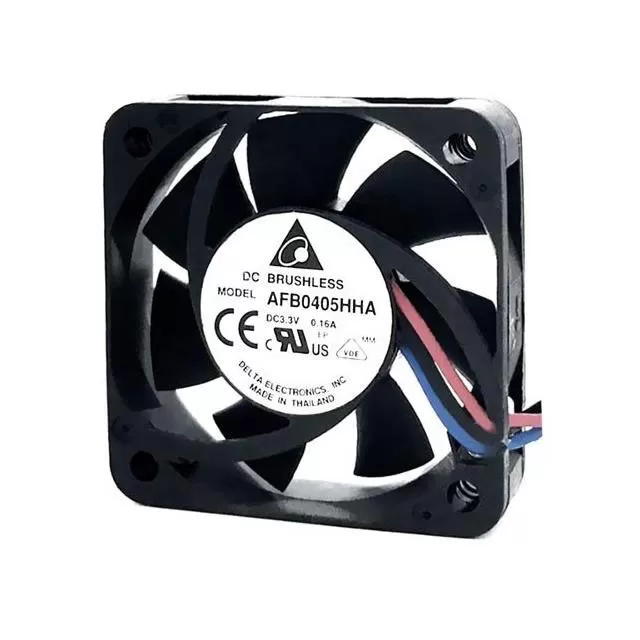
In industrial thermal management, the designation “17251” is heavily utilized by procurement teams and hardware engineers. However, treating “17251” as a definitive dimensional standard is a critical error that frequently leads to mechanical interference and assembly line delays.
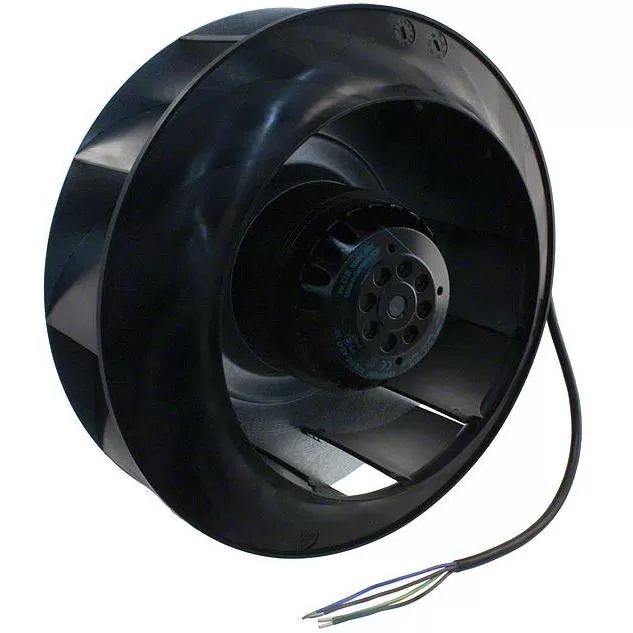
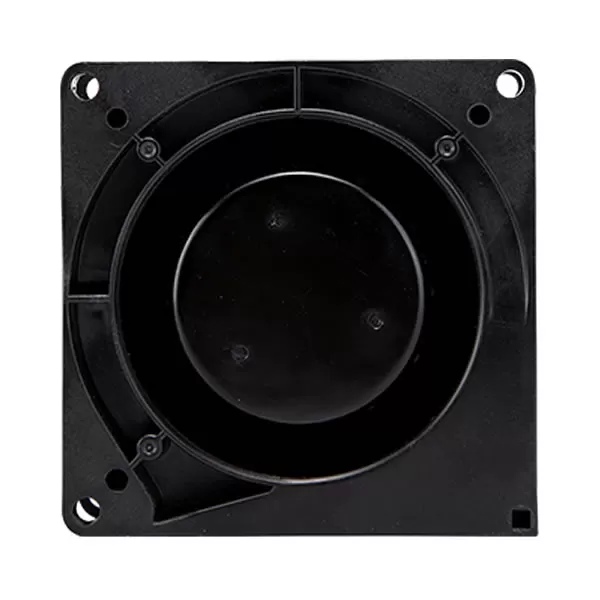
The term is an industry shorthand for a performance and size class—specifically, an axial cooling fan with an impeller diameter approximating 172 mm and a frame depth of 51 mm. Because cooling environments range from expansive factory control panels to high-density 19-inch telecom racks, top-tier manufacturers like ebm-papst, Delta Electronics, Sunon, and NMB engineer identical motor and impeller cores into three distinct housing geometries.
Mechanical Breakdown: The Three 17251 Frame Types
While the aerodynamic performance (CFM/CMH) and electrical specifications (AC, DC, or EC) may be identical across a series, the external frame dictates chassis compatibility, mounting pitch, and structural integrity.
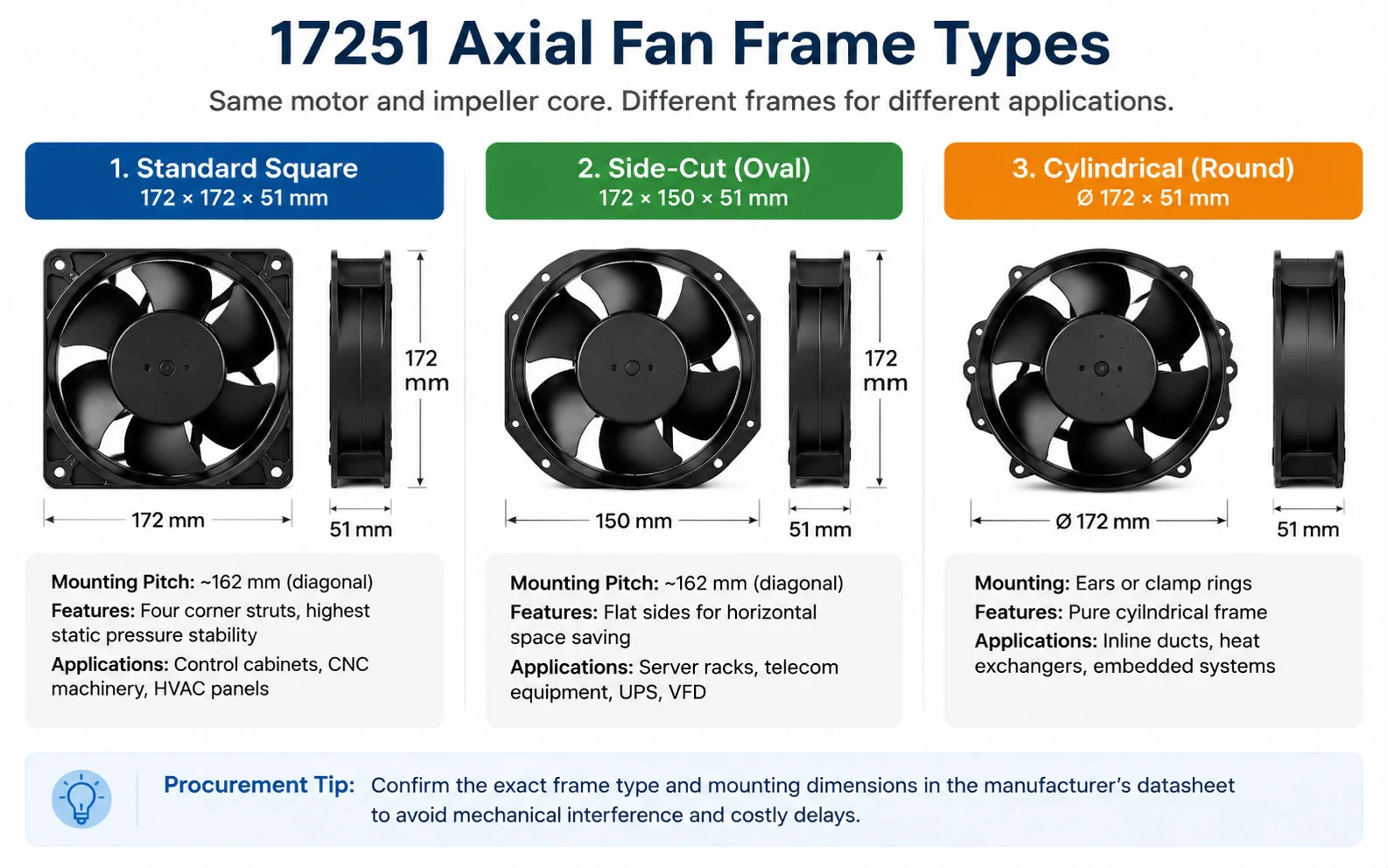
1. The Standard Square: 172 × 172 × 51 mm
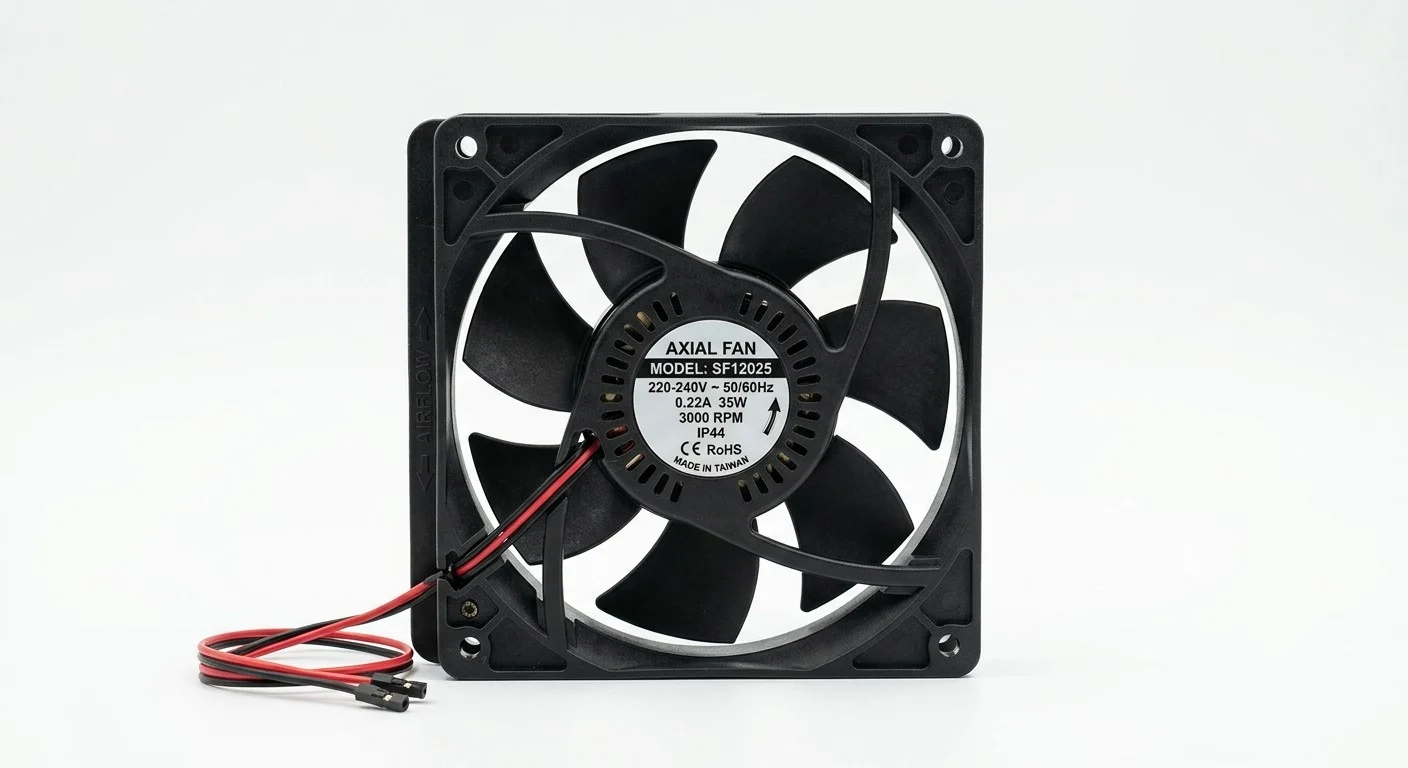
This is the baseline geometry for industrial ventilation. The housing is a true square, measuring 172 mm on both axes with a 51 mm depth.
- Mounting Interface: Four 90-degree corners with standard flange mounting holes.
- Mounting Pitch: Typically 162 mm (diagonal center-to-center).
- Aerodynamic Profile: Offers the highest static pressure stability due to the fully enclosed corner volumes preventing air recirculation.
- Primary Applications: Standard electrical enclosures, CNC machinery, welding inverters, and HVAC distribution panels where lateral space is unrestricted.
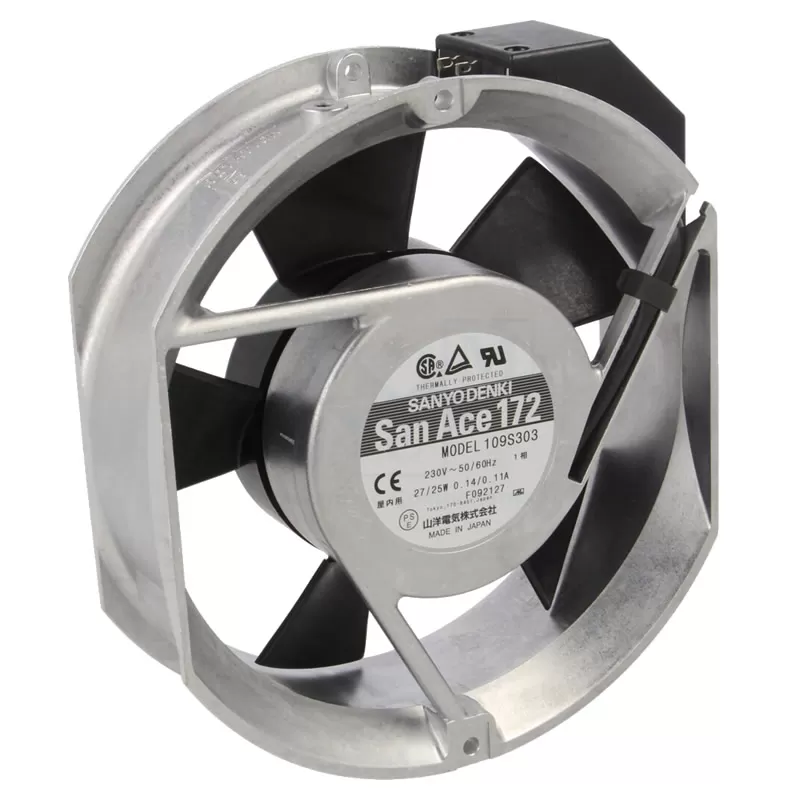
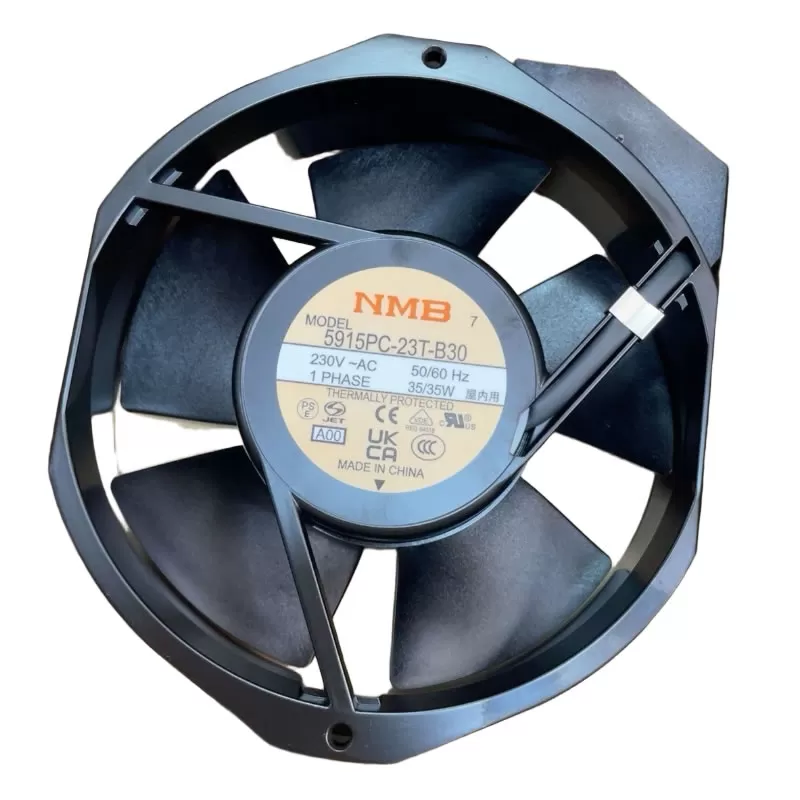
2. The High-Density “Side-Cut” (Oval): 172 × 150 × 51 mm
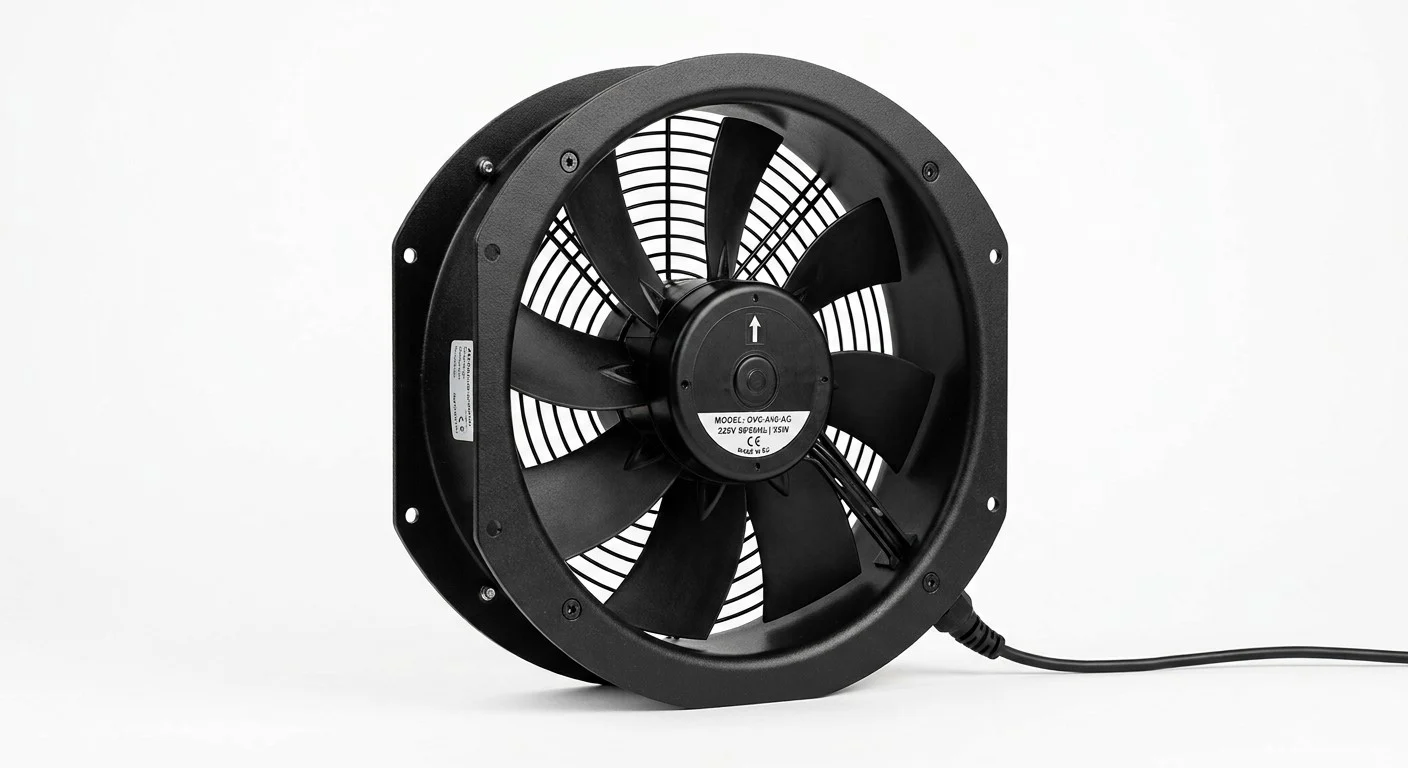
Referred to in technical datasheets as “flat-sided,” “side-cut,” or “oval,” this frame solves a specific mechanical engineering problem: lateral space deficiency. The width is shaved down to exactly 150 mm while maintaining the 172 mm height.
- Mounting Interface: Semi-circular profile with two flattened parallel edges.
- Engineering Purpose: Designed for parallel mounting in standardized equipment. Reducing the width to 150 mm allows engineers to install multiple high-CFM impellers side-by-side without compromising the structural chassis rails.
- Primary Applications: 19-inch server racks, telecommunications base stations, high-capacity UPS power modules, and Variable Frequency Drives (VFDs).
3. The Cylindrical Flange: Ø 172 × 51 mm
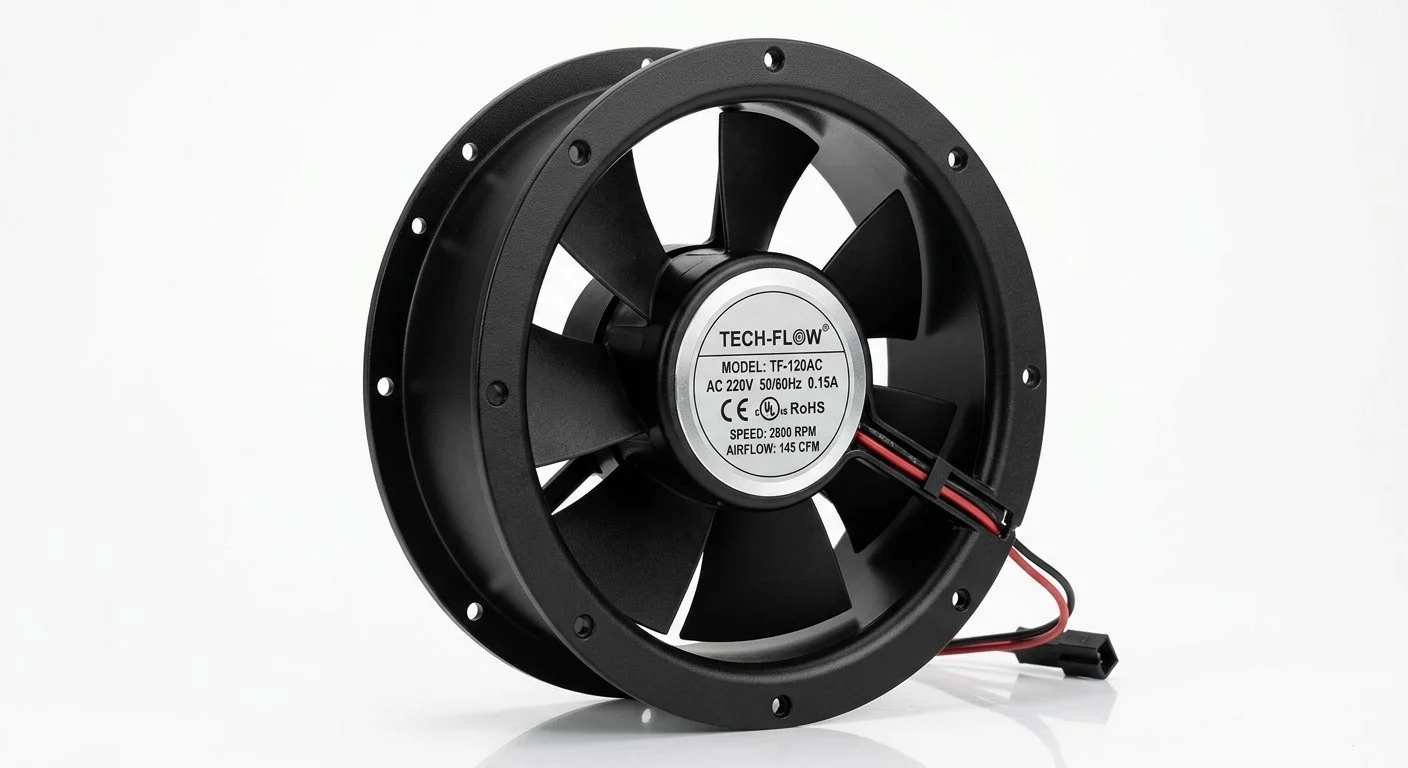
The “Ø” prefix designates a pure diameter. This housing eliminates all external corner structures, resulting in a perfect cylinder.
- Mounting Interface: Often features extended mounting ears or requires custom clamp rings for embedded installation.
- Primary Applications: Inline ventilation ducts, specialized cylindrical heat exchangers, and compact embedded thermal systems requiring direct pipe integration.
Quick Reference: Mechanical Specifications Matrix
| Frame Type | Exact Dimensions (mm) | Typical Mounting Pitch (Diagonal) | Primary Advantage |
|---|---|---|---|
| Standard Square | 172 x 172 x 51 | ~162.0 mm | Maximum rigidity and static pressure seal |
| Side-Cut / Oval | 172 x 150 x 51 | ~162.0 mm | Optimized for high-density rack mounting |
| Round Tube | Ø 172 x 51 | Varies by mounting ears | Seamless duct and pipe integration |
B2B Procurement: Avoiding Costly Sourcing Errors
When processing industrial cooling inquiries, relying solely on the “17251” parameter introduces high supply chain risk. Ensure the following verification steps are integrated into your procurement workflow:
- Chassis Interference Verification: The most frequent sourcing error is substituting a 172x172mm fan for a 172x150mm requirement. If a telecom chassis is milled for a 150mm slot, a standard square fan will physically collide with the internal rails, rendering the component unusable.
- Datasheet Cross-Referencing: Do not rely on visual estimates. Always cross-reference the mechanical drawing (usually page 2 or 3 of the manufacturer’s PDF datasheet) to verify the exact mounting hole alignment and screw thread requirements.
- Manufacturer Part Number Decoding: Premium brands embed the frame geometry directly into their alphanumeric part strings. For instance, a single character variance in a Delta or ebm-papst part number distinguishes a side-cut housing from a square one, even if voltage (e.g., 24VDC, 230VAC) and bearing types are identical.
Optimize Your Thermal Management with Precision
Selecting the correct housing geometry is as critical as matching voltage and CFM. To ensure seamless mechanical integration, consult the official PDF datasheets and technical drawings available for all SKUs on FansCo. For volume inquiries, custom Proforma Invoices, or assistance in cross-referencing obsolete part numbers, contact our B2B engineering support team.