If you ask a thermal engineer, “Which is better, an axial or centrifugal fan?” they will likely answer with a question of their own: “What is your system impedance?”
There is no universally “better” fan. There is only the right fan for your specific thermal environment. Specifying the wrong aerodynamic profile is the number one cause of acoustic nightmares, premature motor failure, and localized thermal throttling in industrial equipment.
At Fansco, we spend a significant amount of time helping OEMs fix airflow systems that looked great on paper but failed in the field. To stop guessing and start engineering, you need to understand the fundamental physics separating axial and centrifugal designs.
1. The Aerodynamic Baseline: How They Move Air
The core difference between these two technologies lies in the trajectory of the air and how pressure is generated.
The Axial Fan: The Volume Workhorse
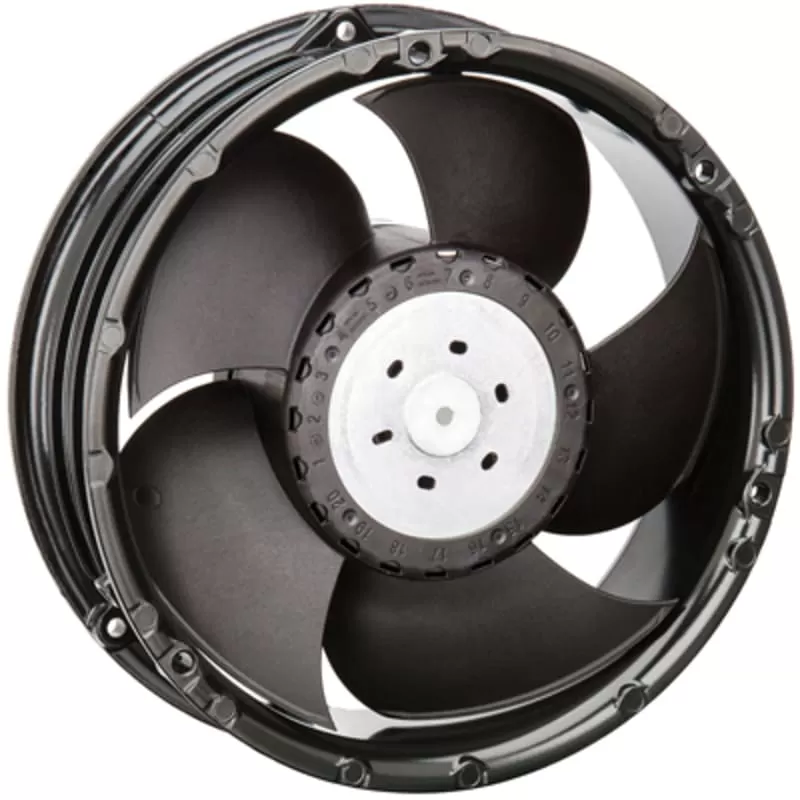
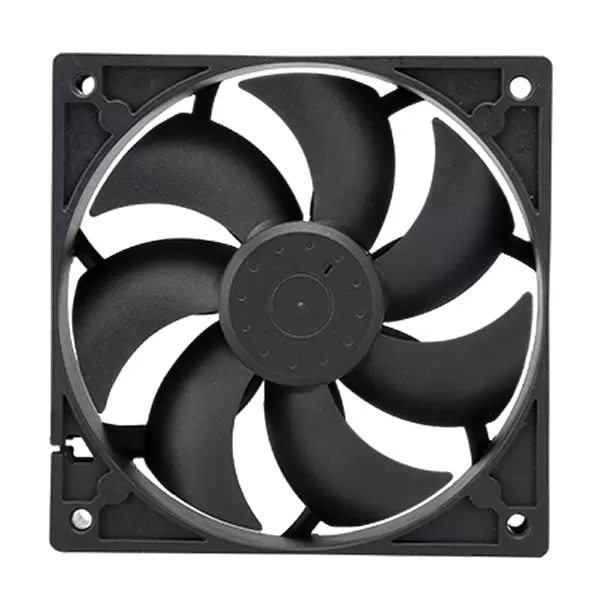
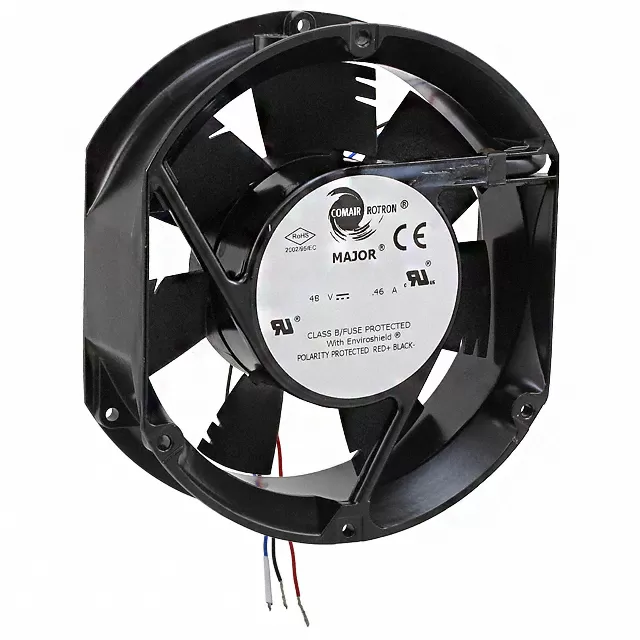
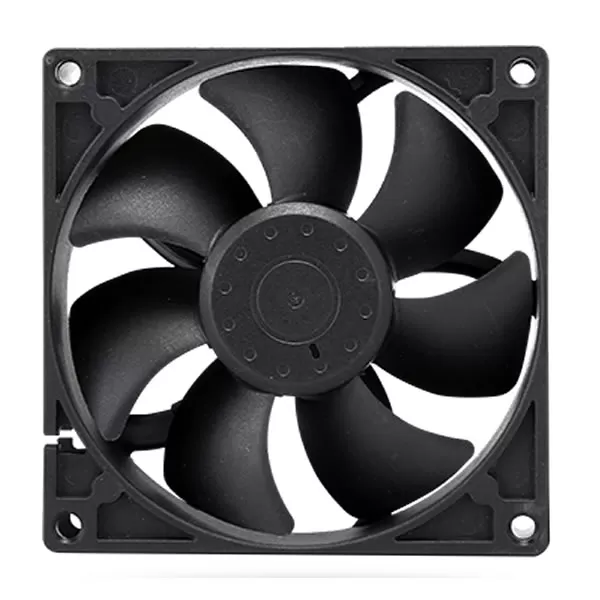
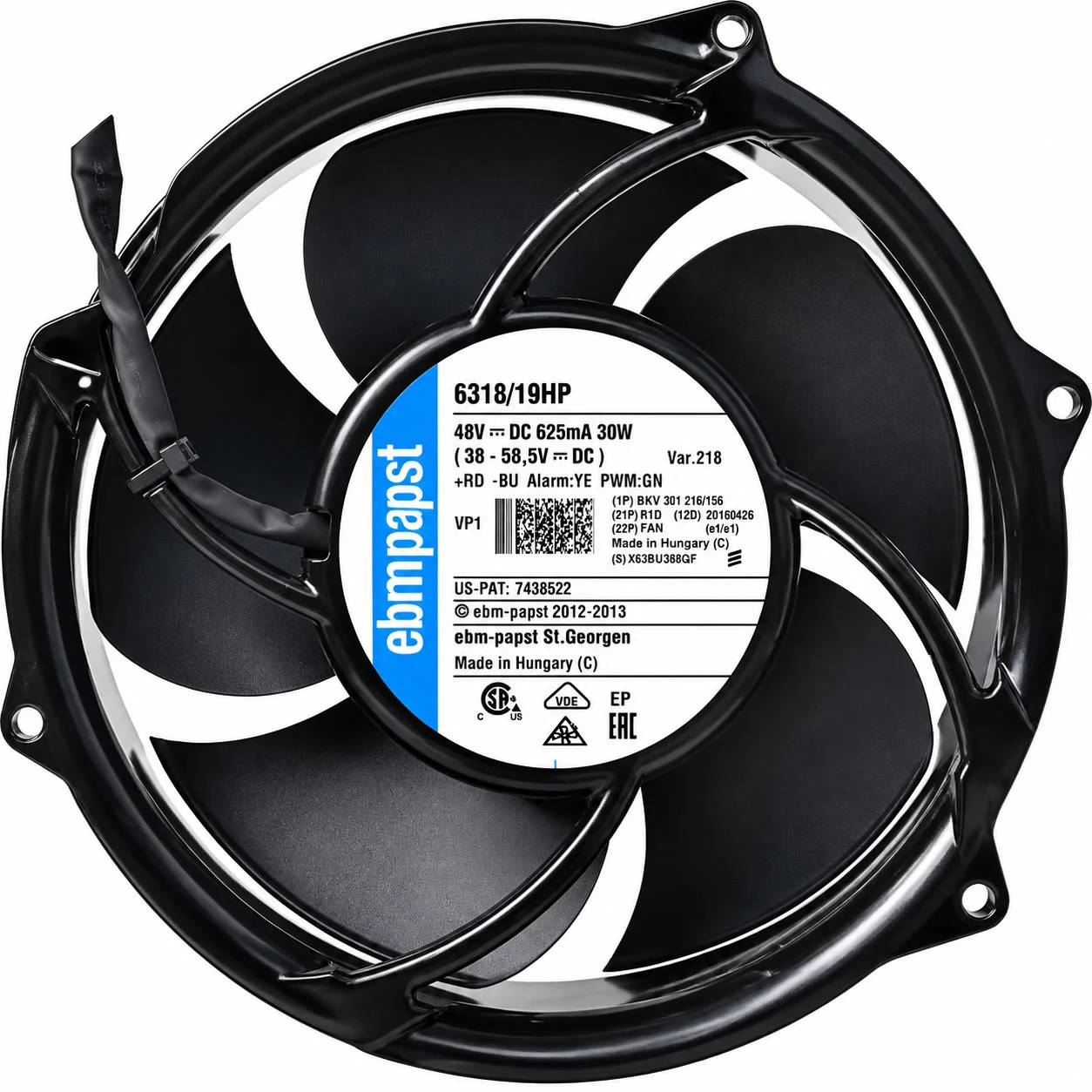
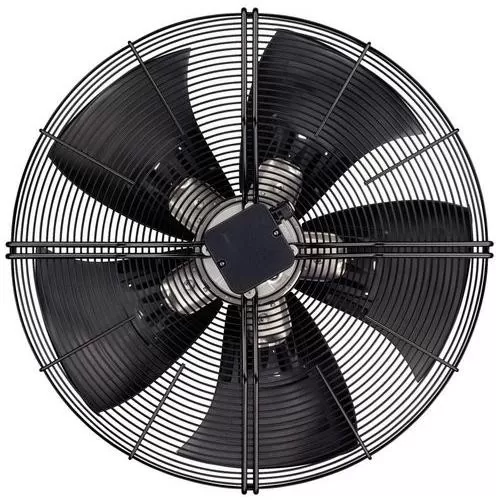
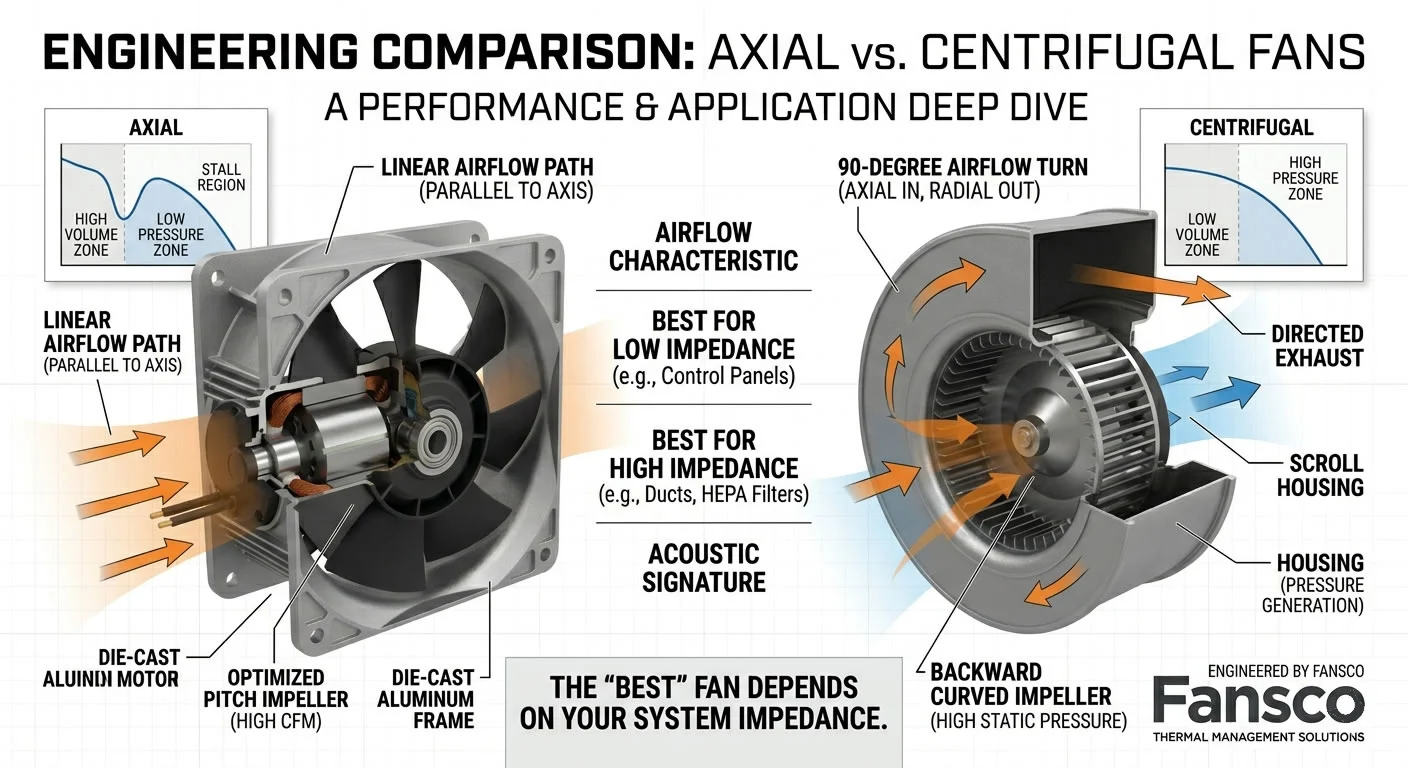
In an axial fan, air enters and exits parallel to the rotational axis (the shaft). Think of an airplane propeller. The blades literally “slap” the air forward.
- The Strength: Massive volume. Axial fans excel at moving huge amounts of air (High CFM / m³/h) in a straight line.
- The Weakness: They cannot generate high pressure. If the air hits a solid wall of resistance, an axial fan will stall.
The Centrifugal Fan (Blower): The Pressure Powerhouse
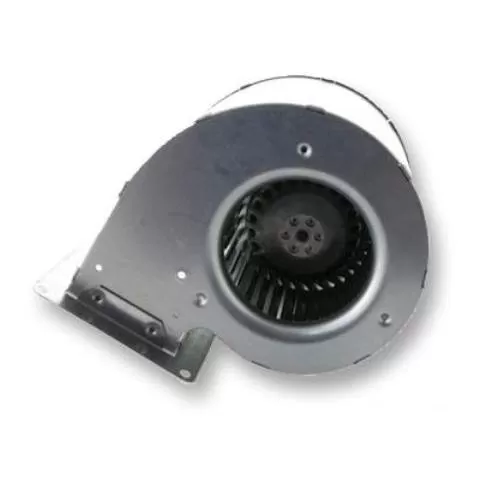
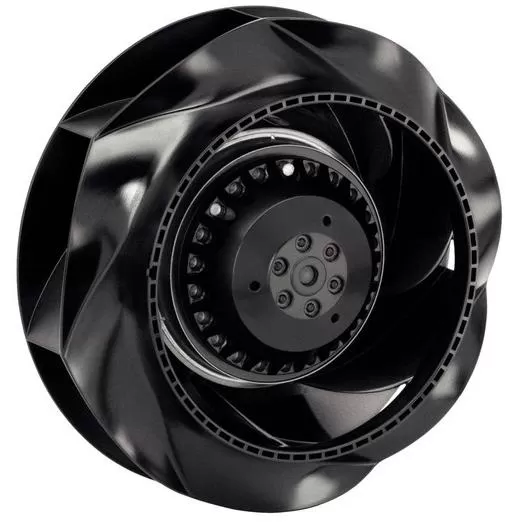
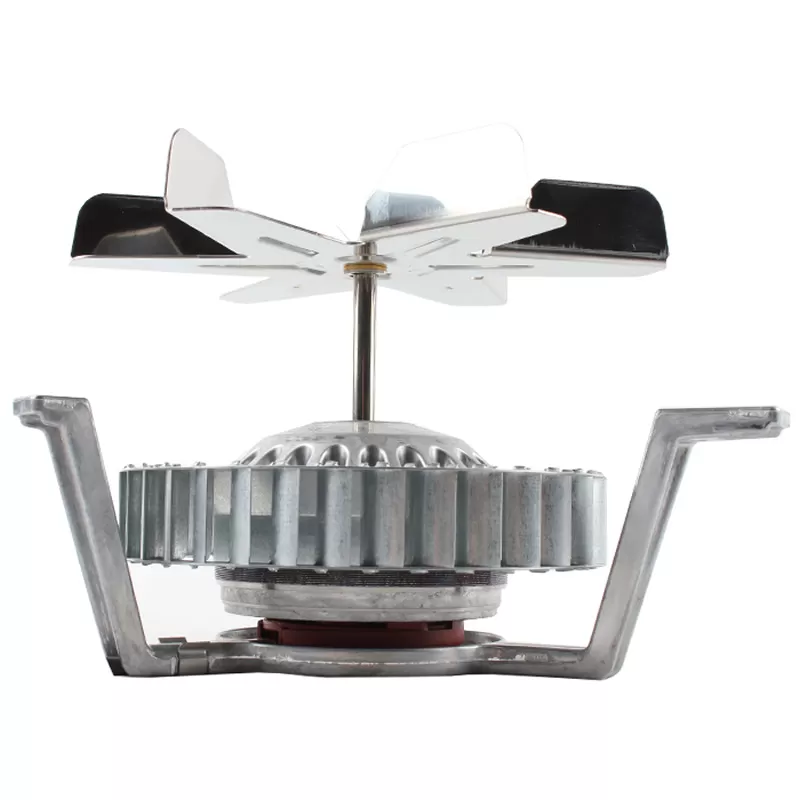
A centrifugal fan draws air into the center of the impeller and uses centrifugal force to throw it outward at a 90-degree angle. The air is compressed inside a scroll housing before being exhausted.
- The Strength: High static pressure (measured in mmH₂O or Pascals). They can force air through incredibly dense obstacles.
- The Weakness: Lower overall volume compared to an axial fan of the same physical footprint.
2. The “Rookie Mistake”: Ignoring System Impedance
The most common error in thermal design is buying a fan based solely on its “Free Air” CFM rating. Free air means the fan is blowing into an empty room. In reality, your fan is blowing into an enclosure filled with cables, dense copper heatsinks, and dust filters. This resistance is called System Impedance.
The Golden Rule of Fan Selection:
If your system is relatively open (low impedance), use an Axial Fan.
If your system is densely packed or uses restrictive filters (high impedance), use a Centrifugal Fan.
If you try to push air through a thick IP54 dust filter using a standard axial fan, the backpressure will push the fan into its stall region. The airflow will detach from the blades, CFM will drop to near zero, and the fan will scream with turbulent acoustic noise. A centrifugal blower, however, will easily muscle the air through that same filter.
3. Form Factor and Airflow Pathing
Mechanical constraints often dictate the choice before thermodynamics even come into play.
- Axial fans require a straight-through path. They are perfect for mounting on the exterior panels of server racks, welding machines, or heat exchangers to draw cool air in or exhaust hot air out.
- Centrifugal fans force a 90-degree turn. This makes them invaluable for specialized form factors. If you are designing a 1U telecom server where air must be sucked in from the front and blasted sideways across a CPU heatsink, a centrifugal blower is your only viable option. They are also the standard for moving air through long ductwork or CPAP machines.
4. Acoustic Signatures: Not All Noise is Equal
Noise is a critical parameter, especially in medical or office environments. However, looking at the dBA rating on a datasheet doesn’t tell the whole story.
When operating in its optimal range, a large axial fan moving slowly is exceptionally quiet. But the moment an axial fan encounters unexpected backpressure, it generates a low-frequency “buffeting” or “fluttering” sound that is highly irritating.
Centrifugal fans inherently produce a higher-pitched, more consistent sound (due to the air compression and higher RPMs). While they might have a higher baseline dBA, their acoustic profile remains stable even when pushing against heavy resistance. You won’t get the unpredictable turbulence noise associated with a stalled axial fan.
5. The Fansco Decision Matrix
Still unsure? Here is how our application engineers generally categorize the two:
| Application Characteristic | The Winner |
|---|---|
| Cooling a large, open electrical control panel | Axial Fan (Moves maximum volume) |
| Pushing air through a dense HEPA filter | Centrifugal Fan (Overcomes high backpressure) |
| Spot-cooling a specific, highly restrictive heat sink | Centrifugal Fan (Directed, high-velocity air) |
| General enclosure exhaust / Ventilation | Axial Fan (Cost-effective, straight airflow) |
Conclusion: Match the PQ Curve to Your Reality
The debate between axial and centrifugal isn’t about which technology is superior; it is about mapping the fan’s P-Q (Pressure-Volume) curve to the physical reality of your hardware.
Buying an overpowered axial fan to compensate for a highly restrictive enclosure is a waste of energy, space, and acoustic budget. Conversely, using a centrifugal blower where a simple axial fan would suffice adds unnecessary cost and complexity.
Don’t leave your thermal management to guesswork. Contact the Fansco engineering team today. Send us your system impedance data or 3D enclosure models, and we will match you with the exact aerodynamic profile required to keep your equipment running reliably.