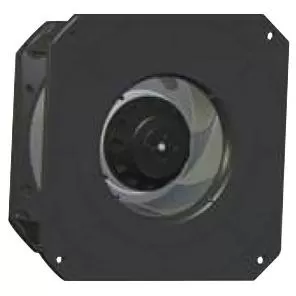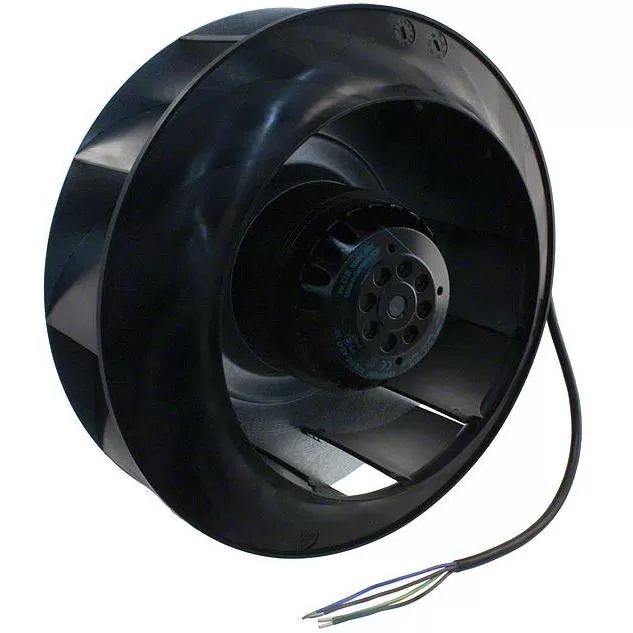
Walk into almost any large-scale manufacturing plant, wastewater treatment facility, or commercial HVAC system, and you will likely hear the steady hum of a centrifugal blower. Recognizable by their distinct, snail-shell-shaped housing, these machines are the workhorses of industrial air movement.
But what exactly is the purpose of a centrifugal blower, and why are they chosen over other types of industrial fans?
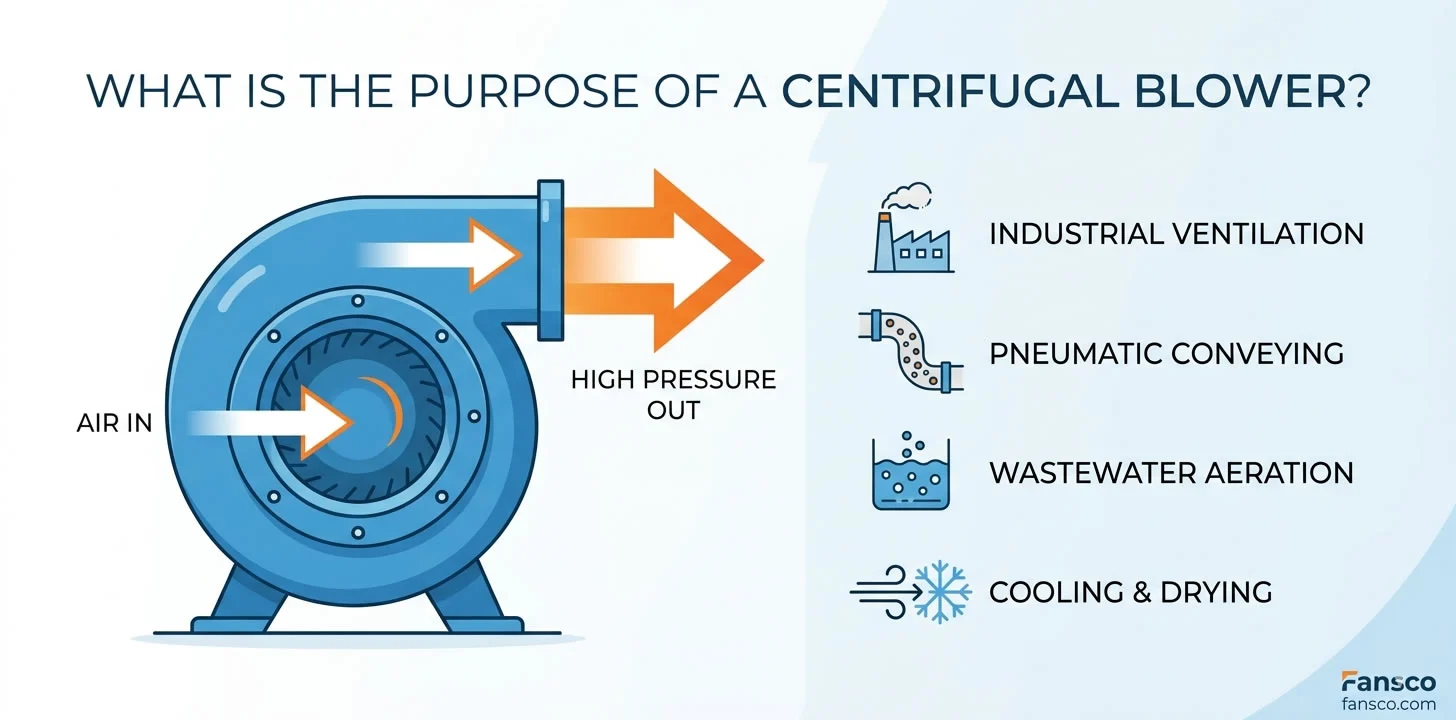
At its core, the primary purpose of a centrifugal blower is to move air or gas against high resistance (high static pressure). While standard fans simply push air across a room, centrifugal blowers pull air into their center, accelerate it using a rotating impeller, and forcefully direct it outward at a 90-degree angle. This mechanism creates a steady, high-pressure, and highly directional flow of air.
Below, we break down the specific applications and technical advantages that make these blowers indispensable across various industries.
Core Industrial Applications: What Do They Actually Do?
Because they are engineered to overcome high static pressure—meaning they can push air through complex ductwork, filters, and dampers—centrifugal blowers serve several critical functions:
1. Industrial Ventilation and Exhaust Systems
In environments where hazardous fumes, chemical vapors, or excessive heat are generated, proper airflow is a matter of safety and compliance. Centrifugal blowers are uniquely capable of drawing contaminated air out of deep factory floors and pushing it through long exhaust stacks or heavy filtration systems (like HEPA filters or wet scrubbers) without losing air velocity.
2. Pneumatic Conveying (Material Handling)
You don’t just use air to cool things down; you can use it to move heavy physical materials. In industries like agriculture, pharmaceuticals, and plastics, centrifugal blowers are used to transport bulk materials like grains, wood chips, plastic pellets, and powders through enclosed pipeline networks. Radial-blade centrifugal blowers, in particular, are built heavily to handle the wear and tear of these particulates passing through the system.
3. Aeration in Wastewater Treatment
Wastewater treatment relies heavily on biological processes where bacteria break down organic waste. These bacteria require a massive, continuous supply of oxygen. Centrifugal blowers are used to pump high-pressure air deep into aeration tanks, ensuring the water remains properly oxygenated. The reliability of the blower directly impacts the efficiency of the entire treatment plant.
4. High-Capacity Cooling and Drying
In commercial glass manufacturing, steel production, or large-scale commercial car washes, parts and materials need rapid cooling or drying before moving to the next stage of the assembly line. Centrifugal blowers deliver the concentrated, high-velocity air knives required to strip away moisture or rapidly lower temperatures without bottlenecking production.
Why Choose Centrifugal Over Axial Fans?
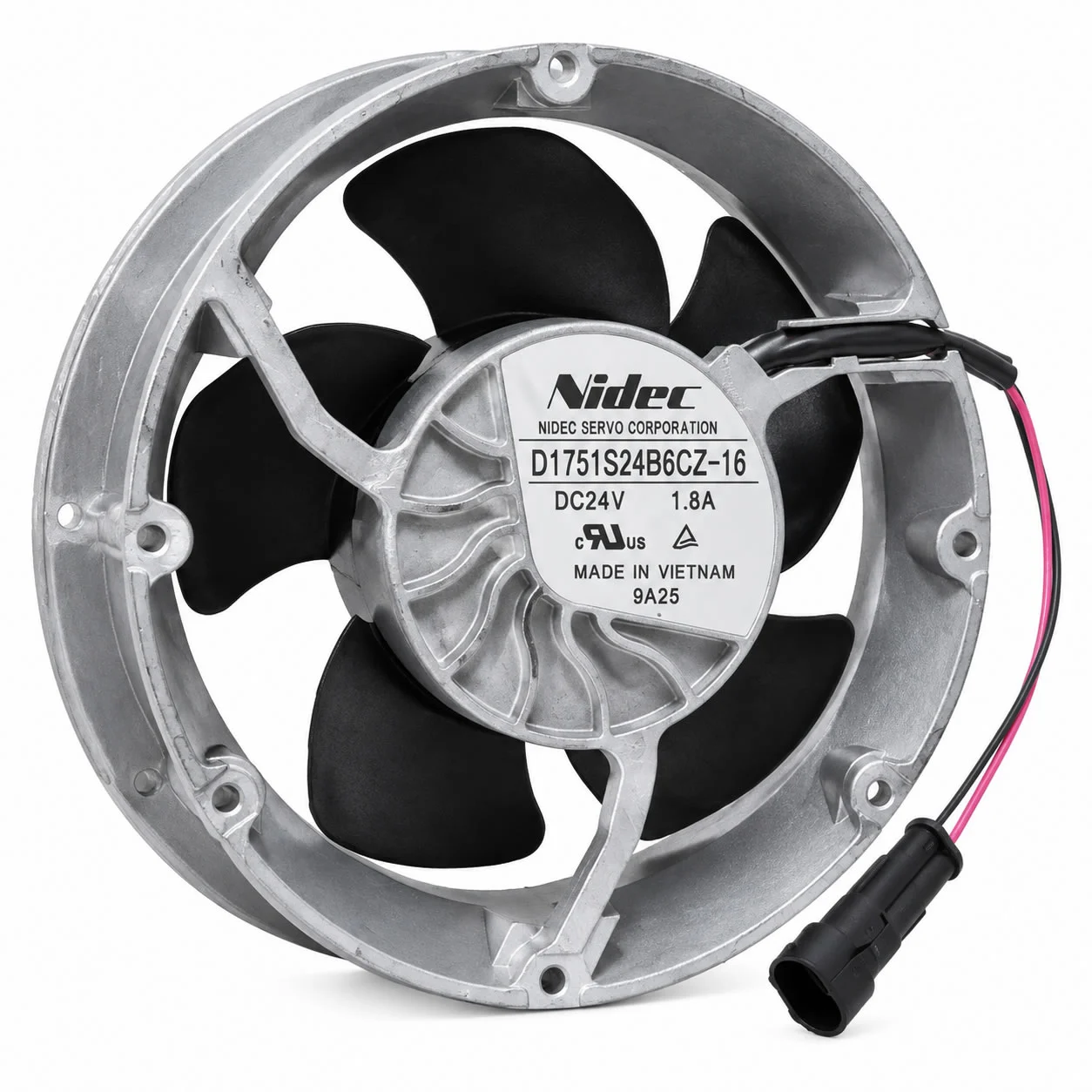
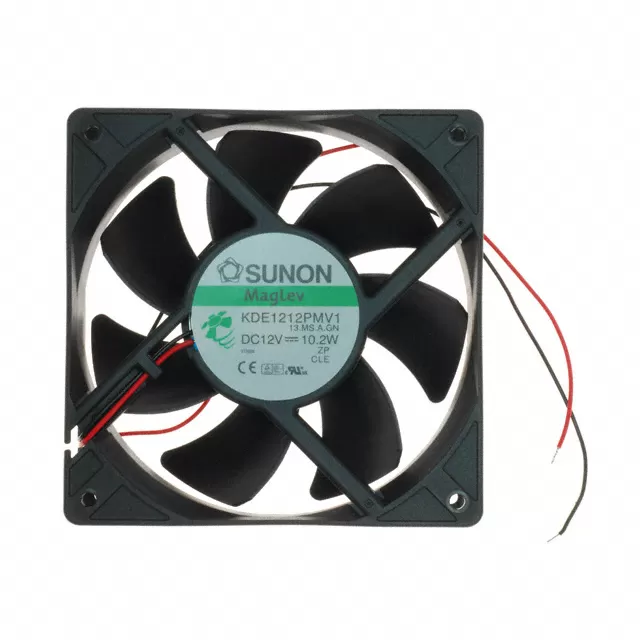
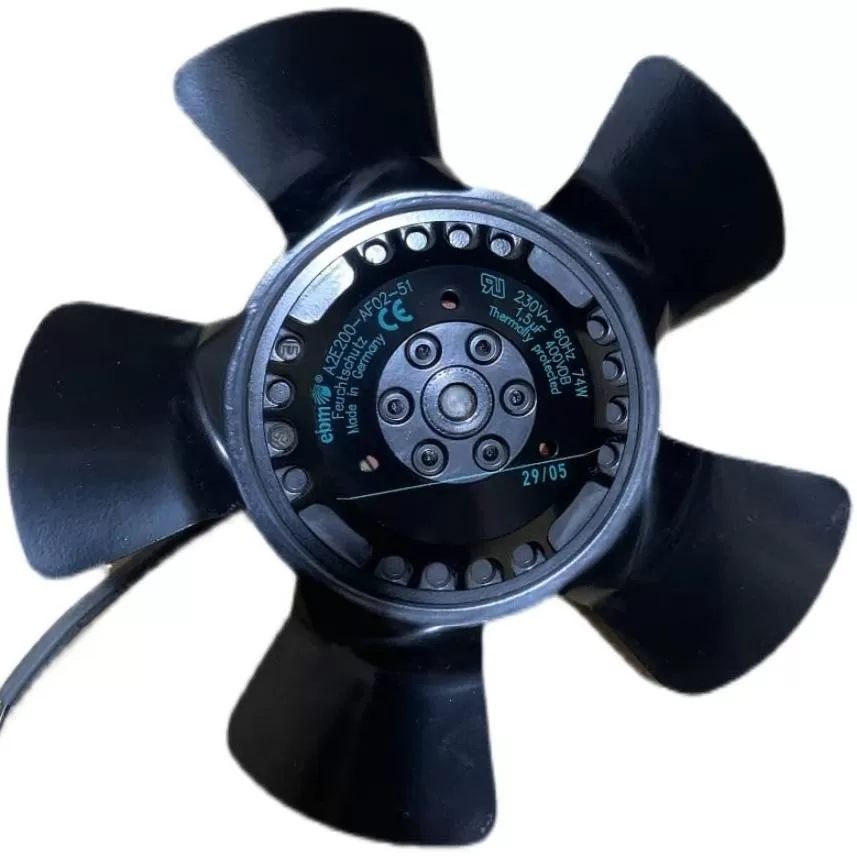
If you just need to move a massive volume of air from one side of a room to the other, an axial fan (like a standard ceiling or box fan) is your best bet. However, axial fans fail when they encounter resistance.
Engineers specify centrifugal blowers when the application demands pressure over pure volume. If your air stream needs to navigate through hundreds of feet of ductwork, push past heavy industrial filters, or force its way into a pressurized tank, a centrifugal blower is the only piece of equipment up to the task. They are also significantly more durable; their enclosed scroll housing protects internal components from harsh environmental factors.
How Blade Design Changes the Blower’s Purpose
Not all centrifugal blowers are identical. Their specific purpose often comes down to the design of the impeller blades housed inside. At Fansco, we match the blade type strictly to the application:
- Backward-Inclined Blades: Highly efficient and designed for clean air applications. They are commonly used in heavy-duty HVAC systems and forced-draft operations because they offer the best energy efficiency and operate quietly.
- Radial Blades: The rugged heavyweights. The blades stretch straight out from the center hub. While less energy-efficient, they are designed to be self-cleaning and can handle heavy dust, wood chips, and material handling without clogging or breaking.
- Forward-Curved Blades: Often referred to as “squirrel cage” blowers, these have many small curved blades. They move high volumes of air at relatively low speeds and pressures, making them ideal for residential or light commercial furnaces and air conditioning units.
Selecting the Right Equipment for Your Operation
The purpose of a centrifugal blower is ultimately defined by the system it is integrated into—whether that means keeping a factory safe from toxic fumes, drying automotive parts, or keeping municipal water clean.
Because the variables—CFM (Cubic Feet per Minute), static pressure, air temperature, and particulate load—are so complex, buying an off-the-shelf fan often leads to system inefficiency or premature equipment failure. Specifying the correct blower requires precise engineering calculations.
At Fansco, we engineer and supply industrial air movement solutions tailored to your exact operational demands. If you are upgrading a facility, designing a new exhaust system, or replacing an underperforming fan, you need equipment that delivers uncompromised reliability. Explore our full range of high-performance centrifugal blowers to find the exact match for your static pressure and airflow requirements.